Before You Hire a Roofer: 9 Things Every Homeowner Should Check
10 min read
1986 words
You’ve researched roofing companies, compared your options, and found a contractor whose proposal looks promising. Before you agree to the work, there’s one more important step: understanding exactly what the roofing contract says. A roofing contract establishes the terms of the project, including the work to be completed, the materials being supplied, the price, and the responsibilities of both parties. If important details are missing or unclear, disagreements can arise over costs, repairs, warranties, or when the job should be finished.
Whether you’re arranging a small roof repair or replacing the entire roof, don’t feel pressured to sign paperwork before you’ve had time to read it. Here are nine things to check before committing to a roofing contract.
1. Make Sure the Scope of Work Is Specific
The contract should clearly describe the roofing work the contractor has agreed to perform. A vague statement such as “replace roof” doesn’t provide enough detail to establish exactly what is included.
Check whether the agreement explains which areas of the roof will be worked on, whether existing roofing materials will be removed, and what replacement materials will be installed. It should also clarify whether items such as underlayment, flashing, ventilation components, and roof-edge details are included where relevant.
If you’re arranging a repair rather than a full replacement, make sure the agreement identifies the problem being addressed and the proposed repair. Ask whether related components will be inspected and whether any additional work may be required if hidden damage is discovered.
The aim is to ensure that you and the contractor have the same understanding of what the job involves.
If the contractor has made specific promises about materials, repairs, or upgrades, have those details included in the contract or in written specifications attached to it.
2. Confirm the Materials and Product Specifications
The materials used on your roof can affect its appearance, performance, maintenance requirements, and warranty coverage. The contract should identify the products being supplied clearly enough for you to understand what you’re paying for.
Depending on the project, this may include the roofing material’s brand, product line, colour, relevant specifications, and other components required for installation.
If the contractor has recommended a particular shingle or roofing system, check that the written agreement reflects that choice. Don’t assume that a verbal discussion about a premium product means the same product will automatically appear in the contract.
You should also ask how substitutions will be handled if a specified product becomes unavailable. The agreement can explain whether alternatives require your approval and how any price differences will be addressed.
Before signing, make sure the materials described in the contract match the proposal you’ve accepted. If you’re uncertain about a product specification, ask the contractor to explain it in plain language.
3. Check the Total Price and What It Includes
The contract should clearly state the total price of the project and explain what that amount covers. Review the cost of labour, materials, applicable taxes, and any additional charges that are part of the agreed work.
Check whether the price includes removing the old roofing materials, disposal fees, site cleanup, and any other work discussed during the inspection. If special equipment or additional services are required, ask whether those costs have been included.
It’s also important to distinguish between the agreed price and work that may become necessary later. For example, a contractor may not be able to determine the full condition of the roof decking until the existing materials have been removed.
The contract should explain how such discoveries will be handled and how additional costs will be calculated and approved.
If the final price differs from the estimate you accepted, ask for a clear explanation before signing. Make sure any agreed changes are documented rather than relying on a verbal assurance that everything will be sorted out later.
4. Understand the Deposit and Payment Schedule
Before signing, check how much you must pay upfront, when further payments are due, and what payment methods the contractor accepts.
A reasonable payment arrangement should be clearly documented and proportionate to the project. Be cautious about demands for full payment before work begins or pressure to make a large cash payment without proper documentation.
Ask whether payments are linked to particular stages of the work and what happens if the project is delayed or the agreed work isn’t completed as expected.
If you’re in Ontario, review the provincial guidance on home renovation contracts and deposits before agreeing to payment terms. Requirements and recommendations can differ depending on the type of contract and the circumstances.
Keep copies of your signed agreement, invoices, receipts, and payment confirmations. These records can be important if a disagreement develops later.
Never sign a payment schedule you don’t understand simply because the contractor says it’s standard practice. Ask questions until you’re comfortable with the arrangement.
5. Read the Warranty Terms Carefully
Roofing projects may involve separate warranties for the materials and the contractor’s workmanship. These warranties can have different conditions, exclusions, and procedures for making a claim.
A manufacturer’s warranty generally covers specified product defects under its terms. A workmanship warranty relates to the contractor’s installation work. Neither should be assumed to cover every possible roofing problem.
Before signing, ask how long each warranty lasts, what it covers, and what exclusions or conditions apply. Find out who you would contact if a leak or another issue develops and what documentation you would need to provide.
If a particular manufacturer certification is necessary for the warranty being offered, ask the contractor to explain that requirement and confirm it in writing.
You should also understand when and how the warranty documents will be provided after the project is completed. Keep these records with your contract and invoices.
A warranty can provide valuable protection, but only if you understand its terms rather than relying on a broad promise that the roof is “fully covered.”
6. Find Out How Extra Work Must Be Approved
Unexpected repairs can arise during roofing work, particularly when old materials are removed and previously hidden areas become visible. Damaged decking, deteriorated flashing, or other underlying issues may need attention before installation can continue.
Your contract should explain what happens if the contractor discovers a problem that wasn’t included in the original price.
Ask whether the contractor will document the issue, explain the proposed solution, and provide a written estimate for the additional work. The agreement should also clarify who can authorize changes and whether extra work will affect the project’s schedule.
Whenever practical, require written approval of the additional work and its price before it begins. This gives you a chance to understand the problem and decide whether to proceed.
Be cautious if you’re asked to approve a substantial extra charge without a clear explanation. Photographs or other supporting information may help you understand why the repair is necessary.
The goal isn’t to assume that every unexpected cost is unreasonable. It’s to ensure that changes are explained, priced, and agreed upon rather than becoming an unpleasant surprise on the final invoice.
7. Confirm the Start Date and Expected Completion

The contract should identify the expected start date or explain how the work will be scheduled. It should also provide a reasonable estimate of how long the project is expected to take.
Roofing schedules can be affected by rain, wind, temperature, material availability, and other factors. Ask how weather-related delays will be communicated and how the contractor will handle changes to the schedule.
If you have specific timing needs, such as moving into the home, arranging access, or coordinating other renovations, discuss those requirements before signing. Make sure any important commitments are reflected in the written agreement where appropriate.
You should also know whom to contact if the crew doesn’t arrive as expected or the project takes longer than anticipated.
A realistic schedule is more useful than an unrealistic promise that everything will be completed regardless of weather or unforeseen conditions.
8. Check Cleanup, Property Protection, and Responsibility for Damage
Roofing work can generate substantial debris. Old shingles, nails, packaging, and other materials may fall around the property during removal and installation.
Before signing, check whether the contract includes removal and disposal of construction waste, cleanup of the work area, and reasonable measures to protect the surrounding property.
Ask how the contractor plans to protect gardens, decks, windows, outdoor furniture, and other vulnerable areas. If materials will be stored in your driveway or yard, clarify where they will be placed and whether you need to move vehicles or belongings.
You should also discuss how damage to your property will be reported and addressed. Appropriate insurance may help cover certain claims, depending on the circumstances and policy terms, but you should understand the contractor’s responsibilities as well.
If you have children or pets, plan how to keep them away from ladders, tools, falling debris, and other hazards while work is underway.
These details may not seem as important as the roofing materials themselves, but they can have a real impact on your household during the project.
9. Watch for Contract Red Flags and Know Your Rights
A contractor’s paperwork and sales approach can reveal important warning signs. Be cautious if you’re pressured to sign immediately, offered a discount that expires within minutes, or told not to worry about details that aren’t included in writing.
Other concerns include blank spaces in the contract, unclear payment terms, missing contact information, vague descriptions of the work, and reluctance to provide copies of the signed agreement.
Never sign a document that contains important unanswered questions or promises you can’t find in the written terms. Ask for corrections before agreeing.
You should also understand the cancellation rules that apply to your contract. These can vary depending on where you live, how the agreement was made, and the type of transaction.
Ontario homeowners can consult the provincial government’s information on consumer rights when starting home renovations or repairs. For additional guidance, see the province’s information on hiring a roofer.
If you live elsewhere in Canada, check your own provincial or territorial consumer protection authority. Don’t assume that cancellation deadlines or contract requirements are identical across the country.
If a clause is unclear or the project involves a substantial financial commitment, consider obtaining independent advice before signing.
Before You Sign: A Quick Roofing Contract Review
Before committing to the project, make sure you understand the scope of work, materials, total cost, payment schedule, and warranty terms. Confirm how additional repairs will be approved, when the work is expected to begin, and who is responsible for cleanup and property protection.
If any important detail is missing or a verbal promise isn’t reflected in the written agreement, ask for clarification before signing. Resolving uncertainty at the beginning can help prevent misunderstandings once the roofing work starts.
Protect Your Home by Understanding the Agreement
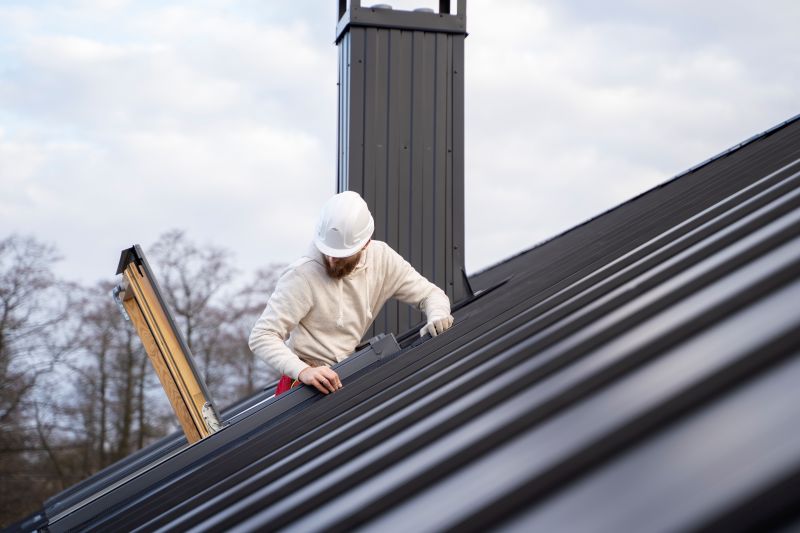
A roofing contract is more than a formality. It’s the written record of what the contractor has agreed to do, what you will pay, and how the project will be managed.
Taking time to read the terms carefully can help you spot missing details, understand your responsibilities, and ask questions before work begins. Pay particular attention to the scope of work, payment arrangements, warranties, and procedures for handling unexpected repairs.
If you haven’t yet chosen a contractor, our guide to how to choose the right roofing contractor explains how to research companies, assess relevant experience, and compare proposals.
Once you’re satisfied that the contract accurately reflects your agreement, keep a signed copy somewhere accessible. Having clear documentation can make it easier to resolve questions throughout the project and refer back to the agreed terms if needed.
A well-understood contract won’t eliminate every possible problem, but it can give you a clearer picture of what to expect before the roofing crew arrives.
If you’re still comparing roofing companies, read our guide on steps to take to find the best roofing expert for advice on researching contractors and evaluating your options before making a decision.