How to Choose Winter Walking Shoes for Snow, Slush and Ice
7 min read
1301 words
Walking outdoors during the Canadian winter can be enjoyable, whether you are heading out for a neighbourhood walk, running errands or spending time on a favourite trail. However, winter weather can change quickly. A clear sidewalk in the morning can become slippery by afternoon, while melting snow and slush can leave your feet cold and wet. Choosing the right winter walking shoes can make a real difference in your comfort and confidence when heading outdoors.
When shopping for winter footwear, I think it is important to look beyond appearance and consider how the shoes will perform in the conditions you actually encounter. Warmth, traction, waterproofing and fit all matter, but not every winter shoe is designed for the same purpose.
Winter Walking Shoes Need to Match the Weather
One of the first things to consider is where you plan to walk. Someone who spends most of their time on cleared neighbourhood sidewalks may have different footwear needs from someone who regularly walks through deep snow or along unmaintained trails.
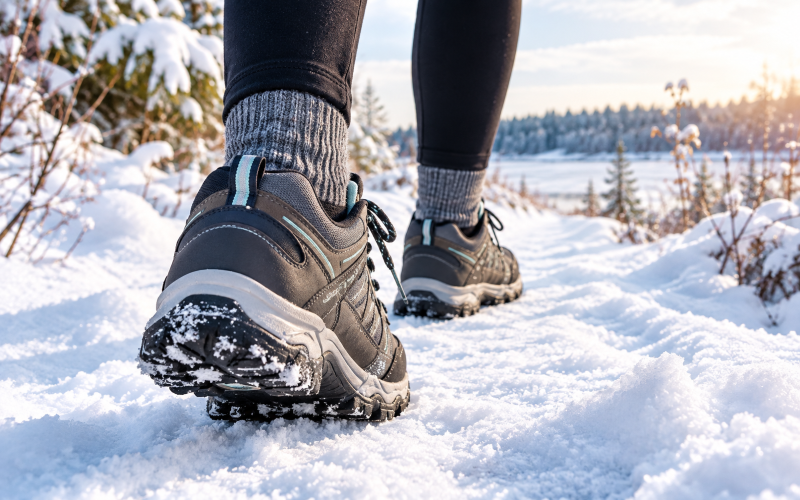
For everyday errands and short walks, a lightweight winter walking shoe may be a practical choice. It can feel less cumbersome than a traditional winter boot while offering protection against damp conditions. However, if you regularly encounter deep snow or spend extended periods outdoors in very cold temperatures, a taller insulated boot may provide more appropriate coverage and warmth.
Thinking about your usual walking routine before shopping can help you avoid buying footwear that looks appealing but does not suit your needs.
Look for Waterproof Winter Walking Shoes
Canadian winters often bring more than snow. Rain, melting snow and slushy sidewalks can leave feet damp, particularly when temperatures fluctuate around the freezing point.
Waterproof winter walking shoes can help keep moisture out, although the level of protection depends on the materials, construction and design of the footwear. Look for clearly stated waterproofing features rather than assuming a shoe will keep your feet dry simply because it is marketed for outdoor use.
The height of the shoe also matters. A waterproof low-cut walking shoe may protect against wet pavement and shallow puddles, but snow can enter over the top when you walk through deeper drifts. If you frequently encounter heavy snow, a higher-cut shoe or winter boot may be a better option.
Warm, dry feet make winter outings more pleasant, so it is worth considering both waterproofing and the conditions in which you will be walking.
Why Traction Matters on Snow and Ice
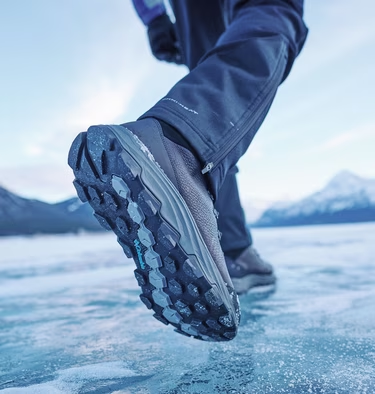
A winter walking shoe can be comfortable and waterproof yet still leave you struggling for grip on slippery surfaces. This is one reason I would not choose winter footwear based on appearance or tread depth alone.
Rubber compounds and outsole designs vary, and a tread pattern that performs well on dirt or packed snow may not provide dependable grip on smooth ice. Even shoes marketed for hiking can slip when conditions become icy.
If you regularly walk on frozen sidewalks, look for footwear specifically designed and tested for winter traction. Removable ice-gripping devices may also be worth considering when conditions require additional grip. These devices need to be suitable for your footwear and should be removed before walking on indoor floors where their hard or metal components could slip.
No ordinary shoe can guarantee that you will not fall on ice. Taking shorter steps, slowing down and choosing a cleared route when possible are also sensible precautions during slippery weather.
Comfort and Fit Can Make or Break a Winter Walk
Comfort is just as important in winter as it is during the rest of the year. A shoe that pinches your toes, rubs your heel or feels uncomfortable after a short walk is unlikely to become a favourite simply because it is waterproof.
When trying on winter walking shoes, consider the shape and width of the footwear as well as the size. Your toes should have enough room to move naturally, and your heel should feel secure without excessive slipping. If you plan to wear thicker winter socks, try the shoes on with those socks so you can assess the fit properly.
Cushioning can also make a difference when walking on hard pavement. Look for a shoe that feels comfortable underfoot without making you feel unstable. Some people prefer a softer, more cushioned sole, while others find a firmer platform more comfortable. The important thing is how the footwear feels when you walk in it.
If possible, spend a few minutes walking around the store before making a decision. Pay attention to pressure points, the movement of your heel and whether the shoe feels natural as you take each step.
Should You Choose Winter Walking Shoes or Boots?
This depends largely on the weather and how you spend your time outdoors.
Winter walking shoes can be convenient for shorter outings, everyday errands and walks on cleared paths. Their lower profile may make them easier to wear when you do not need substantial snow coverage or heavy insulation.
Winter boots are often more suitable for deeper snow, colder temperatures and longer periods outdoors. Depending on the design, they may provide greater insulation and better coverage around the lower leg. The trade-off is that some boots can feel heavier or more cumbersome than walking shoes.
Neither option is automatically better for every situation. I would choose footwear based on the weather, walking surface and level of protection needed rather than assuming that the warmest or heaviest option is always the best.
Are Lightweight Winter Walking Shoes Worth Considering?
For people who prefer not to wear bulky boots for every outing, lightweight winter walking shoes are worth exploring. Some styles combine weather-resistant materials, cushioning and winter-oriented outsoles in a design intended for everyday use.
However, lightweight construction should not be the only consideration. A shoe still needs to fit properly, provide appropriate protection and offer traction suited to the surfaces you encounter.
Before purchasing a pair, read the manufacturer’s specifications carefully. Check whether the shoe is waterproof or merely water-resistant, whether it includes insulation and what type of conditions the outsole is intended to handle. These details can help you determine whether it is suitable for your winter routine.
What I Would Consider Before Buying Winter Walking Shoes
My approach to choosing winter footwear is to think about practical everyday needs rather than relying on marketing claims. I want shoes that feel comfortable, fit securely and provide suitable protection for the weather. I also want to know whether they are designed for the sidewalks and paths I actually use.
It is worth comparing several styles and trying them on before deciding. A shoe that works well for one person may not suit someone with different feet, walking habits or comfort preferences.
If you have mobility or balance concerns, it is especially important to consider stability and appropriate traction. Footwear alone cannot eliminate the risk of falling, but choosing suitable shoes and adjusting your walking habits to the conditions can help you make more informed decisions.
Revisit My Original Winter Walking Shoe Guide
I first wrote about comfortable winter walking shoes for Today’s Woman in 2012, when I featured the WindRiver Quad Comfort Low Cut Hikers. The original model is no longer available, but the questions surrounding comfortable winter footwear remain relevant.
In my updated guide, Comfortable Winter Walking Shoes: What to Look For, I revisit the features that made those low-cut hikers appealing and discuss what to consider when exploring alternatives.
Whether you prefer lightweight walking shoes or a more substantial winter boot, taking the time to consider fit, comfort, waterproofing and traction can help you find footwear suited to your needs.
Winter walking does not have to stop when the temperature drops. With the right footwear for the conditions, you can continue enjoying fresh air and time outdoors throughout the colder months.