How to Choose a Bluetooth Speaker: 9 Things to Check
8 min read
1419 words
Shopping for a Bluetooth speaker can feel overwhelming when so many models promise impressive sound, long battery life, and convenient features. Some speakers are designed for listening at home, while others are made for outdoor adventures, travel, or entertaining friends and family.
The best Bluetooth speaker for you depends on how you plan to use it, where you will listen to music, and which features matter most. Before spending your money, here are the things I would consider to help you choose a speaker that suits your lifestyle.
If you are shopping on a budget, our guide to the best Bluetooth speakers under $100 can help you compare affordable options before making your decision.
1. Sound Quality Matters Most
A Bluetooth speaker should make your music enjoyable to listen to. However, sound quality is about more than how loud a speaker can play.
Consider the type of music you listen to most often. If you enjoy rock, pop, or dance music, you might prefer a speaker with strong bass and a balanced sound. If you listen to podcasts, audiobooks, or spoken-word content, clear voices may be more important than deep bass.
Pay attention to reviews that describe sound clarity at both low and high volumes. A speaker that sounds great at a moderate volume may become distorted when turned up.
If possible, listen to a speaker in person before buying. Everyone has different listening preferences, so what sounds excellent to one person might not be the right fit for another.
2. Battery Life and Charging
Battery life is especially important if you plan to use your Bluetooth speaker away from a power outlet. Whether you are spending an afternoon in the backyard, travelling, or enjoying music at a campsite, you do not want to recharge it constantly.
Check the manufacturer’s estimated playback time and remember that actual battery life varies. Higher volume levels, lighting effects, and other features can drain the battery more quickly.
It is also worth checking how the speaker charges. USB-C charging is a convenient feature to look for, particularly if you already use compatible charging cables for your other devices.
For home use, battery life might not be your biggest concern. For travel and outdoor activities, it can make a considerable difference.
3. Size, Weight, and Portability

Think about where you will use your speaker most often.
A compact speaker can be convenient for a desk, bedside table, suitcase, or day trip. Larger speakers may offer fuller sound and more powerful output, but they can take up more space and be less convenient to carry.
Consider whether you want something that fits easily into a bag, has a carrying strap, or can be moved from room to room without effort.
If you plan to take your speaker on vacation, check its dimensions and weight before ordering online. Product photographs can make speakers appear smaller than they really are.
The right size is the one that balances sound quality with the convenience you need.
4. Water Resistance and Durability
If you want to use your Bluetooth speaker near a pool, at the beach, in the backyard, or while camping, durability deserves a closer look.
Many speakers advertise an IP rating, which indicates their level of protection against dust or water under specified test conditions. For example, an IP67 rating indicates protection against dust and the effects of temporary immersion in water under defined conditions.
However, water resistance does not mean every speaker is suitable for every wet environment. Salt water, soap, impact damage, and normal wear can affect performance. Always check the manufacturer’s instructions and limitations.
For indoor use, extensive water protection may not be necessary. Choosing features you will actually use can help you avoid paying extra for unnecessary specifications.
5. Bluetooth Connectivity and Compatibility
Before buying, make sure the speaker is compatible with the phone, tablet, or computer you plan to connect.
Bluetooth speakers typically work with a wide range of modern devices, but the available features can vary. Newer Bluetooth versions may offer improvements in efficiency, reliability, or supported capabilities, depending on the devices involved.
Look for features that fit your routine, such as multipoint connectivity, which allows a speaker to maintain connections with two devices, or stereo pairing, which lets compatible speakers work together for a wider listening experience.
Some models also include an auxiliary input for a wired connection. This may be useful if you have an older audio device you want to connect.
Do not assume that a higher Bluetooth version automatically guarantees better sound. Speaker design, audio tuning, and supported audio features also play important roles.
6. Volume and Speaker Power
A speaker’s maximum volume matters, but louder is not always better.
If you mainly listen to music in a bedroom, kitchen, or home office, a compact speaker may provide all the volume you need. For a larger room or outdoor gathering, you may want a more powerful model that can fill the space without sounding harsh.
Manufacturers sometimes advertise wattage as a selling point. Although power output can help you understand a speaker’s capabilities, wattage alone does not determine sound quality or perceived loudness.
Look for reviews that explain how the speaker performs in real-world settings. Does it maintain clear vocals when the volume increases? Does the bass remain controlled? Can you hear the music comfortably across the room?
Your intended listening environment is often a better guide than a single specification.
7. Extra Features Worth Considering
Bluetooth speakers come with a variety of additional features. Some are genuinely useful, while others may not make much difference to your daily listening experience.
Here are a few features to consider:
- Speakerphone functionality: A built-in microphone may allow you to take calls through the speaker.
- Stereo pairing: Compatible speakers can be paired to create left and right audio channels.
- Multi-speaker connectivity: Some systems allow several compatible speakers to play together.
- Voice assistant support: Certain models offer access to supported voice assistants, although availability depends on the speaker and connected device.
- Built-in lighting: Light effects can add atmosphere for parties but may use additional battery power.
- App controls: A companion app may provide equalizer settings, firmware updates, and other customization options.
Make a short list of the features you would genuinely use. A simple, well-made speaker may be a better purchase than a more complicated model filled with extras you rarely need.
8. Price, Warranty, and Overall Value
A higher price does not automatically mean a better Bluetooth speaker for your needs. Before buying, compare sound quality, battery performance, durability, connectivity, and warranty coverage.
Read customer reviews carefully, looking beyond the overall star rating. Repeated complaints about charging problems, unreliable Bluetooth connections, or battery deterioration may be more informative than a handful of enthusiastic reviews.
Check the manufacturer’s warranty, return policy, and availability of customer support. If you are shopping online, confirm who is selling the product and whether the warranty applies in Canada.
It is also worth considering how frequently you will use the speaker. A dependable model that suits your everyday routine may offer better value than one with impressive specifications you rarely benefit from.
9. Common Bluetooth Speaker Buying Mistakes
Before making your final decision, watch out for these common mistakes:
- Buying based on advertised wattage alone.
- Assuming the longest battery-life claim reflects everyday use.
- Choosing a speaker that is too large or heavy to carry comfortably.
- Paying extra for water resistance or lighting effects you do not need.
- Ignoring compatibility with existing devices.
- Overlooking return policies and warranty coverage.
- Relying on promotional photographs instead of checking the actual dimensions.
Taking a few minutes to compare specifications and independent reviews can help you avoid disappointment.
Final Thoughts: Choose a Speaker That Fits Your Lifestyle
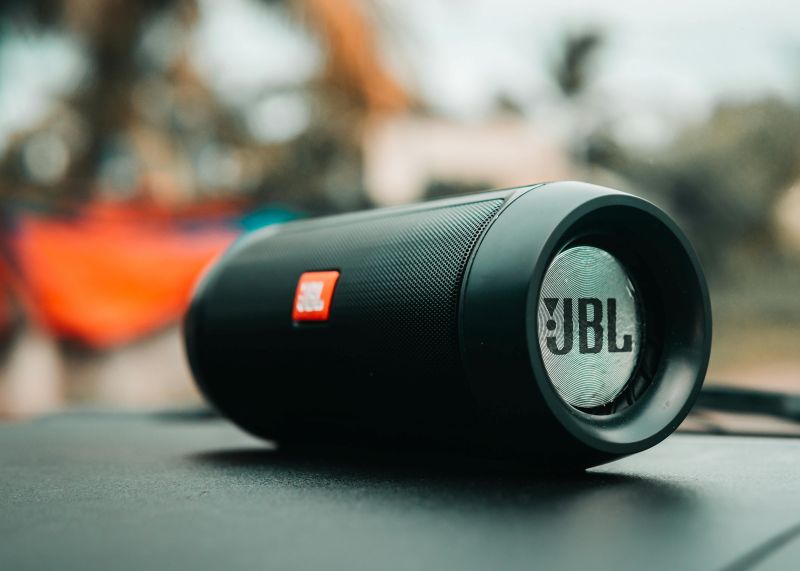
Choosing a Bluetooth speaker does not have to be complicated. Start by deciding where you will use it, how portable it needs to be, and what kind of listening experience you prefer.
For everyday home listening, sound clarity and convenient controls may be your priorities. For travel, battery life and portability could matter more. If you enjoy outdoor activities, water resistance and durability deserve extra attention.
There is no single Bluetooth speaker that is right for everyone. By comparing the features that matter to you instead of focusing only on price or marketing claims, you can make a more informed purchase and find a speaker you will enjoy using.
Before checking out, take one final look at the specifications, warranty, and customer feedback. A little research now can help you choose a Bluetooth speaker that meets your expectations long after you bring it home.