Are Smart Devices Listening More Than You Think?
7 min read
1359 words
Hey there, fellow tech user. Carl here, your retired teacher! Let’s start with a question: Have you ever mentioned buying a specific product in passing, only to see an ad for it pop up on your phone an hour later? If so, you’re not alone, and that eerie coincidence is exactly why so many people are asking: Are smart devices listening more than you think? You’re not paranoid. It’s a valid question in a world where our homes, pockets, and wrists are filled with smart gadgets. In this guide, we’ll break down what counts as a smart device, how they listen, what companies do with your data, and most importantly, how you can take back control.
What Counts as a Smart Device?
If it has a microphone, connects to the internet, and can respond to voice commands, it’s likely a smart device. Think of them as helpful digital assistants until you start wondering if they’re a little too helpful.
Smart Speakers
Amazon Echo
Powered by Alexa, it’s the familiar smart speaker that can play music, answer questions, and help manage your home.
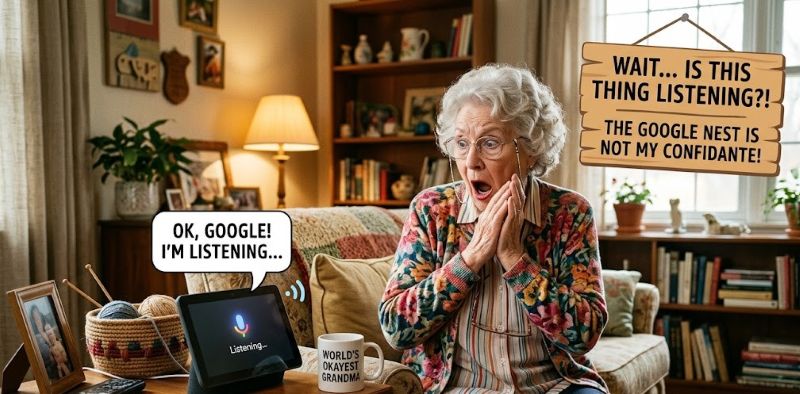
Google Nest
Google’s smart speaker lineup uses Google Assistant to provide information, control devices, and automate daily tasks.
Apple HomePod
Apple’s Siri-powered speaker integrates seamlessly with other Apple devices and services.
Smartphones and Tablets
Voice Assistants
Siri, Google Assistant, and Bixby are designed to respond to spoken commands once activated.
Background App Permissions
Many apps request microphone access for voice features, video calls, or audio messaging. Some users grant these permissions without realizing it.
Smart Home Devices
Security Cameras
Many include microphones and two-way communication features.
Smart TVs
Voice-controlled televisions often contain built-in microphones.
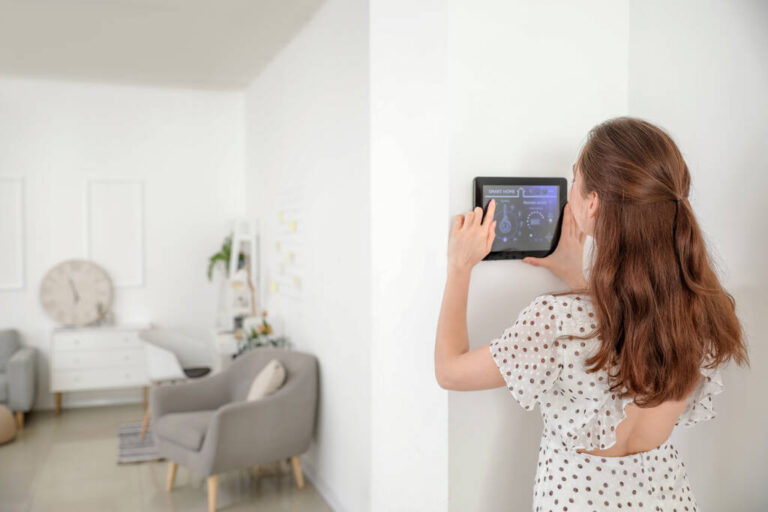
Smart Thermostats
Some advanced models support voice commands through integrated microphones.
Smart Doorbells
These devices can record video, capture audio, and allow homeowners to speak with visitors remotely.
How Do Smart Devices Actually Listen?
Here’s the technical scoop. It’s not quite as dramatic as science fiction movies would have you believe.
Wake Words Explained
Most smart devices activate when they hear a specific trigger phrase such as:
“Hey Siri”
“Alexa”
“Hey Google”
Until that wake word is detected, the device is generally listening only for the trigger phrase rather than recording everything you say.
Always-On Microphones
How Devices Detect Commands
Smart devices use low-power processors that continuously monitor for wake words.
Local Processing vs. Cloud Processing
Basic voice recognition often happens on the device itself. More complicated requests are usually sent to cloud servers where powerful computers process the information and send back a response.
When Audio Is Stored
Voice Recordings
Many voice assistants save recordings of commands you have given.
Data Retention Policies
Each company has different policies regarding how long recordings are stored.
User Account Settings
Most major platforms allow users to review, manage, and delete stored voice recordings.
Are Companies Really Listening to Conversations?
This is where things get interesting. Let’s separate fact from fiction.
What Major Tech Companies Say
Official Privacy Policies
Major technology companies maintain that devices only begin recording after hearing a wake word.
User Consent and Permissions
When setting up a device, users typically agree to privacy policies that outline how data is collected and used.
Human Review of Recordings
Why Recordings May Be Reviewed
Companies have occasionally used human reviewers to improve speech recognition systems.
Past Controversies
Several technology companies faced criticism after reports revealed employees had access to selected recordings. These incidents led to stricter privacy controls and greater transparency.
Common Privacy Misconceptions
Personalized Ads vs. Direct Eavesdropping
Many people assume targeted ads result from devices secretly listening to conversations. In reality, ad targeting is usually based on browsing history, location data, purchase habits, and online activity.
How Targeted Advertising Works
Advertising algorithms build detailed profiles using thousands of data points. The result can feel remarkably accurate even when no direct eavesdropping is involved.
Warning Signs Your Device May Be Collecting More Data Than Expected
Keep an eye out for these potential warning signs:
- Unexpected ads that seem unusually relevant to private conversations.
- Apps with microphone access that you rarely use.
- Applications requesting permissions unrelated to their primary function.
- Multiple smart devices connected to numerous third-party services.
Privacy Risks Associated with Smart Devices
Data Breaches
Companies that store voice recordings and personal information can become targets for cybercriminals.
Unauthorized Access
Weak passwords and outdated software can leave devices vulnerable.
Third-Party Data Sharing
Some information may be shared with partners to improve services, conduct analytics, or support advertising efforts.
Smart Home Security Vulnerabilities
Poorly secured smart home devices can reveal information about your routines and daily activities.
How to Check What Your Devices Are Recording
Taking control of your privacy is easier than many people realize.
Viewing Voice History
Check your Amazon, Google, or Apple account to see stored voice interactions.
Reviewing App Permissions
Visit your phone’s settings and review which apps currently have microphone access.
Managing Cloud Storage Settings
Many services allow you to opt out of long-term storage.
Deleting Stored Recordings
Regularly deleting voice recordings helps reduce the amount of personal data stored online.
How to Protect Your Privacy
You don’t need to abandon technology to protect your personal information.
Disable Unused Voice Assistants
If you don’t use a voice assistant, consider turning it off completely.
Use Strong Passwords and Two-Factor Authentication
Secure accounts are your first line of defense against unauthorized access.
Keep Software Updated
Updates frequently contain important security fixes.
Limit App Permissions
Only grant microphone access when absolutely necessary.
Mute Microphones When Not in Use
Many smart devices include physical mute buttons that disconnect the microphone entirely.
Smart Devices and the Future of Privacy
Technology continues to evolve, bringing both convenience and new privacy challenges.
AI-Powered Assistants
Voice assistants are becoming smarter, faster, and more deeply integrated into everyday life.
Increased Data Collection
As connected devices become more common, the amount of data collected continues to grow.
Emerging Privacy Regulations
Governments around the world are introducing stronger privacy laws designed to increase transparency and consumer protection.
Consumer Demand for Transparency
People are asking more questions about how their data is used, and companies are facing growing pressure to provide clear answers.
Frequently Asked Questions
Can Smart Devices Listen Without My Knowledge?
Most devices are designed to record only after detecting a wake word. However, accidental activations and software glitches can occur.
Do Smart TVs Have Microphones?
Many modern smart TVs include microphones for voice-control functions. These features can usually be disabled through device settings.
Can Hackers Access Smart Devices?
Yes. Poor security practices can make devices vulnerable to unauthorized access. Strong passwords and regular updates can significantly reduce the risk.
How Do I Stop My Smart Speaker from Recording?
You can mute the microphone, adjust privacy settings, and regularly delete stored voice recordings.
Conclusion
So, are smart devices listening more than you think?
The answer is both yes and no. Smart devices are constantly listening for wake words, but that doesn’t necessarily mean they are recording every conversation. However, the data they collect can still reveal a great deal about your habits, preferences, and daily life.
Understanding how these devices work is the first step toward protecting your privacy.
Key Takeaways
- Smart devices rely on wake words to activate voice recording features.
- Companies generally do not record conversations for advertising purposes, but they do collect significant amounts of user data.
- Voice recordings may be stored depending on your account settings and the company’s policies.
- Users can improve privacy by reviewing permissions, deleting recordings, and securing their accounts.
Balancing Convenience and Privacy
You don’t have to choose between enjoying modern technology and protecting your personal information. A few simple habits can help you maintain both convenience and peace of mind.
Practical Steps Every User Should Take Today
- Review and delete your voice history.
- Audit microphone permissions on your devices.
- Use physical mute buttons whenever available.
- Keep software and firmware up to date.
- Stay informed about privacy settings and data collection practices.
Your home should feel like a sanctuary, not a surveillance system. By understanding how smart devices work and taking a proactive approach to privacy, you can enjoy the benefits of connected technology while keeping greater control over your personal information.