How to Design a Home That Works for Your Lifestyle
5 min read
934 words
Leo here, and when it comes to how to design a home, I believe the best place to start is with the way you actually live. A beautiful kitchen, stylish flooring and modern finishes are wonderful, but they mean very little if your home does not make everyday life easier. Whether you are planning a new build, renovating your current property or dreaming about a future home, thoughtful design can make all the difference.
In my experience, creating a home that feels right involves looking beyond appearances. It means considering your daily routines, family needs, storage requirements, comfort and the features that will continue to serve you well over time. If you are just beginning to plan, my guide on how to turn your dream home into a reality covers the bigger picture, including budgeting, choosing a location and working with the right professionals. Once you have a vision, the next step is designing a space that truly fits your lifestyle.
Start With How You Really Live
Before choosing a floor plan or browsing home design inspiration, think about what a typical day looks like in your household. Where does everyone gather? Do you spend hours preparing meals, work from home or enjoy entertaining friends and family? Perhaps you need a quiet corner to read, a dedicated workspace or a practical entryway where coats and shoes can be kept organized.
These everyday details should influence your design decisions. A large formal dining room might look impressive, for example, but a spacious kitchen with a comfortable dining area could be more useful for a family that prefers casual meals together.
The goal is to create a home that supports your routines rather than forcing you to change the way you live to accommodate the layout.
Design a Kitchen That Works for You
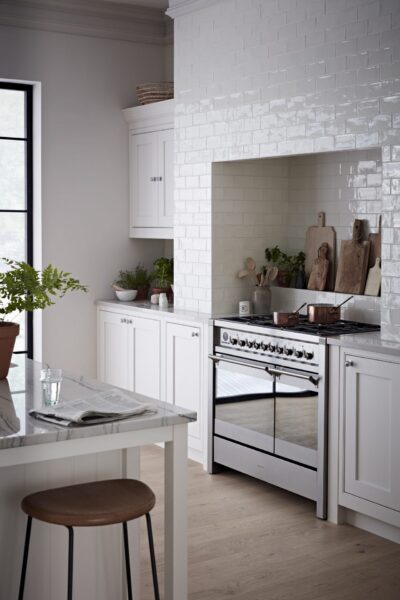
The kitchen is often one of the busiest rooms in a home. It is where meals are prepared, groceries are unpacked and family conversations happen while someone is making coffee or getting dinner ready.
Think about how much counter space you need, where frequently used appliances will go and whether several people will be cooking at once. Drawers, pantry shelves and cupboards should be arranged so that everyday essentials are easy to reach.
A beautiful kitchen is certainly appealing, but practical storage, good lighting and an efficient layout can make a much bigger difference to your daily experience.
Make Every Room Count
Not every home needs an open-concept layout or oversized rooms. What matters is how well each space serves a purpose.
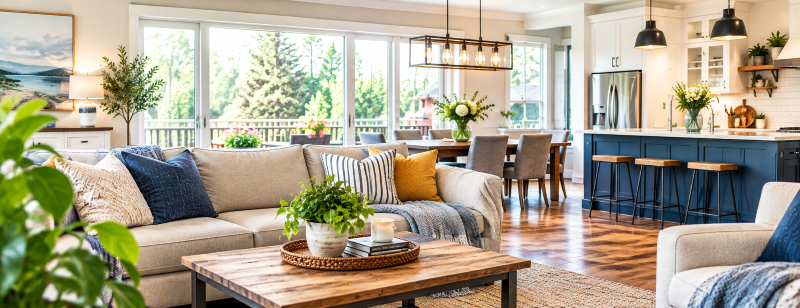
A flexible spare room might double as a home office, while a quiet reading nook can make use of an otherwise overlooked corner. If you enjoy entertaining, you may want an open living area that allows guests to move comfortably between the kitchen and sitting room.
Think carefully about furniture placement, walking space and natural light. A room does not have to be large to feel comfortable. Sometimes a thoughtful layout makes a modest space more functional than a much bigger one.
Plan for Storage Before Clutter Takes Over
Storage is easy to overlook when you are focused on finishes and decorating ideas. Yet coats, shoes, cleaning supplies, seasonal clothing, luggage and everyday household items all need somewhere to go.
Consider built-in cupboards, entryway storage, bedroom closets and kitchen drawers while planning your home. If you have children, pets or outdoor hobbies, think about where their belongings will be kept.
Planning storage early can help keep living spaces organized without sacrificing valuable floor space.
Think About Comfort and Future Needs
A home should work for you today while remaining practical as your circumstances change. Features such as good lighting, wider doorways, fewer stairs and an accessible shower can make everyday tasks easier for people of different ages and abilities.
Energy efficiency deserves attention, too. Insulation, quality windows, efficient heating and cooling systems, and energy-saving appliances can contribute to a more comfortable home and may reduce ongoing energy costs.
When comparing options, consider not only the upfront expense but also maintenance, durability and how much use each feature will receive over the years.
Choose Materials That Suit Your Lifestyle
A finish that looks beautiful in a showroom may not be the best choice for a busy household. Flooring, countertops, cabinetry and upholstery all need to stand up to everyday use.
If you have children or pets, easy-to-clean surfaces may be a priority. If you cook frequently, durable countertops and practical flooring could be worth the investment.
You do not need to choose the most expensive materials for every room. Focus on quality where it matters most, and look for options that balance appearance, durability and maintenance.
Make Your Home Feel Personal
Once the practical details are in place, bring in the elements that make a house feel like your own. Favourite colours, artwork, family photographs, books, plants and meaningful decorative pieces can add warmth and personality.
There is no need to follow every design trend. Choose things you genuinely enjoy rather than creating a space that looks fashionable but does not feel comfortable to live in.
Create a Home That Grows With You
The best home design is not necessarily the most expensive or elaborate. It is the one that makes everyday life more comfortable, reflects your priorities and adapts as your needs change.
Take time to consider how you live now, what may change in the future and which features will make the biggest difference to your household. With thoughtful planning, you can create a home that is not only attractive but also practical, welcoming and enjoyable for years to come.