

Cold Weather and Joint Stiffness: What May Help You Stay Comfortable?
9 min read
1682 words
Joint stiffness can make everyday activities feel more difficult when the weather turns cold. From getting out of bed in the morning to climbing stairs or going for a walk, cold weather and joint stiffness can leave you feeling less flexible and comfortable. While the relationship between weather and joint pain varies from person to person, there are practical ways to stay comfortable, keep moving and make winter a little easier.
Why Do Joints Feel Stiffer in Cold Weather?
There is no single explanation for why some people experience more joint discomfort when the weather turns cold. Research suggests that changes in temperature, humidity and atmospheric pressure may influence symptoms in certain individuals. However, the relationship is not the same for everyone.
People with osteoarthritis, rheumatoid arthritis and other musculoskeletal conditions may notice increased discomfort during colder months. Previous injuries can also contribute to ongoing stiffness or pain.
Winter routines may play a role, too. When sidewalks become icy and outdoor temperatures fall, it is natural to spend more time indoors. Sitting for extended periods and moving less frequently can contribute to stiffness, making it harder to get comfortable when you finally stand up.
According to Arthritis Society Canada, keeping track of symptoms alongside weather changes can help you identify personal patterns and plan ahead.
1. Keep Your Joints Warm
One of the simplest ways to manage cold weather discomfort is to dress for warmth. Rather than relying on one heavy layer, consider wearing several comfortable layers that you can add or remove as needed.
Warm clothing can help you stay comfortable while moving around the house or spending time outdoors.
A few useful options include:
- Thermal base layers that help retain body heat.
- Warm socks and insulated footwear.
- Gloves or mittens to keep your hands comfortable.
- A scarf and warm outerwear for outdoor activities.
- Knee or elbow warmers if you find that a particular joint becomes uncomfortable in the cold.
Some people also find that a warm shower or bath helps ease stiffness, especially first thing in the morning. A warm compress may provide temporary relief for aching joints that are not hot or swollen.
Avoid applying excessive heat directly to your skin, and follow the instructions for any heating pad or reusable heat pack. Never fall asleep while using an electric heating pad.
If a joint is already swollen, hot or inflamed, heat may make the swelling worse. In that situation, ask a healthcare professional whether cold therapy or another approach is more appropriate.
2. Start the Day With Gentle Movement
When your joints feel stiff, the temptation may be to stay still until the discomfort passes. However, prolonged inactivity can contribute to stiffness and muscle weakness.
Gentle movement can help maintain flexibility and make everyday tasks easier. You do not need an intense workout to get started.
Depending on your mobility and comfort level, you might try:
- Slowly opening and closing your hands.
- Gently moving your ankles while seated.
- Performing comfortable shoulder rolls.
- Standing up and sitting down from a stable chair, if safe for you.
- Taking a short walk indoors.
Move slowly and stay within a comfortable range of motion. Do not force a joint through pain or attempt unfamiliar exercises that could increase your risk of falling.
If you have a joint condition, a recent injury or significant mobility limitations, a physiotherapist can recommend exercises suited to your needs.
The Arthritis Society Canada’s pain management guide explains how appropriate physical activity can help improve strength, flexibility, energy and daily function.
3. Find Ways to Stay Active Indoors
Canadian winters can make outdoor exercise challenging. Snow, ice, freezing rain and early sunsets may discourage even the most determined walker.
Fortunately, there are ways to keep moving without venturing onto slippery sidewalks.
Consider walking around your home, following a suitable seated movement routine or visiting an indoor shopping centre when conditions permit. Some community centres also offer gentle exercise classes or indoor walking opportunities.
If you spend much of the day sitting, try changing positions regularly. A few minutes of comfortable movement throughout the day may be more manageable than attempting one long exercise session.
The important thing is to choose activities that fit your current abilities and health needs. Consistency matters more than pushing yourself on days when your joints are uncomfortable.
If walking is difficult or your balance is uncertain, choose a stable, supported activity and ask your healthcare provider about safer options.
4. Make Your Home More Comfortable
When it is cold outside, your home environment can make a difference to your comfort and mobility.
Keep frequently used items within easy reach so you do not have to stretch, bend or climb unnecessarily. Arrange furniture to leave clear walking paths, particularly if you use a cane or another mobility aid.
You may also find it helpful to:
- Keep a warm robe and slippers near your bed.
- Use supportive seating that makes standing up easier.
- Place everyday kitchen items at an accessible height.
- Keep entrances clear of snow, water and clutter.
- Use adequate lighting in hallways and around stairs.
- Keep a phone within reach in case you need assistance.
For people who experience morning stiffness, allowing extra time to get ready can reduce the pressure to rush through everyday tasks.
Small adjustments can make ordinary routines more manageable without requiring expensive equipment or major renovations.
5. Be Careful on Icy Sidewalks
Winter falls are a concern for anyone, but they can be especially challenging for people with painful joints, reduced mobility or a previous injury.
A fall may result in a sprain, fracture or other injury that takes time to recover from. Avoiding unnecessary risks is an important part of staying active through winter.
Before heading outside, check the weather and sidewalk conditions. Wear well-fitting winter footwear with good traction, and consider suitable traction aids when recommended for your footwear and walking conditions.
Allow extra time to reach your destination rather than hurrying across icy surfaces. Use handrails where available, and consider asking someone for assistance when conditions are poor.
If you use a cane or walker, make sure it is appropriate for winter conditions. A physiotherapist or occupational therapist can help you choose and use mobility equipment safely.
There is no need to prove you can manage every winter outing independently. Taking a safer route, arranging a ride or postponing a nonessential trip may be the more practical choice.
6. Know When Heat or Cold May Help
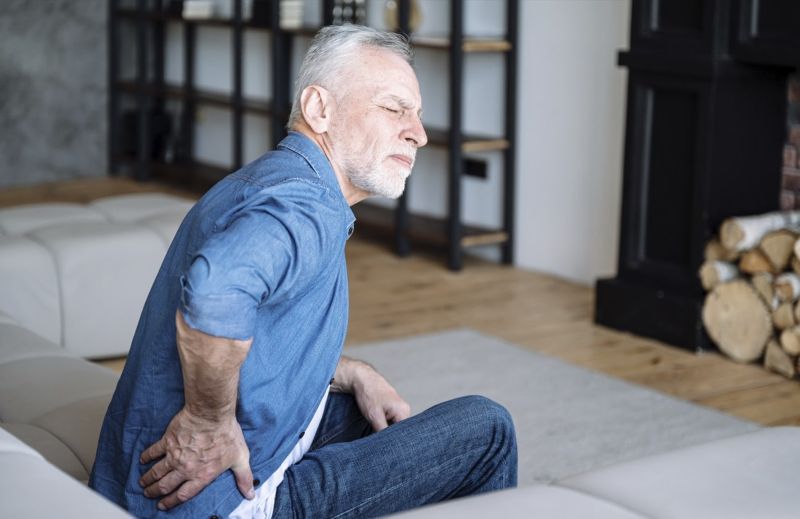
Heat and cold serve different purposes, so choosing the right approach matters.
Gentle heat may help relax tight muscles and temporarily ease joint stiffness. A warm shower, warm towel or appropriately used heating pad may be useful when a joint feels stiff without significant swelling.
Cold therapy may help reduce pain and swelling when a joint is inflamed or has become uncomfortable after activity. A cold pack wrapped in a towel can be applied for a short period, following professional guidance and the product instructions.
Never place ice directly against your skin. Avoid heat or cold treatments on areas where sensation is reduced, unless a healthcare professional has advised you how to use them safely.
People with circulation problems or conditions such as Raynaud’s phenomenon should take particular care with cold therapy.
For more detailed guidance, Arthritis Society Canada provides information about cold therapy and its potential role in managing arthritis symptoms.
7. Do Not Ignore Persistent Joint Pain
Although mild stiffness can sometimes be managed with simple comfort measures, persistent or worsening symptoms deserve attention.
Speak with a healthcare professional if joint pain interferes with sleep or normal activities, keeps returning, or does not improve. Prolonged morning stiffness, particularly stiffness lasting more than 30 minutes, is another reason to seek medical advice.
Seek urgent medical assessment if a joint becomes suddenly very painful, hot or swollen, particularly if you also have a fever or feel generally unwell. Severe pain following an injury or an inability to bear weight also requires urgent assessment.
Do not automatically assume that new symptoms are caused by cold weather or arthritis. Joint pain can have several causes, and an accurate diagnosis helps guide appropriate treatment.
8. Pay Attention to Your Own Patterns
Not everyone experiences winter the same way. Some people notice more stiffness on particularly cold days, while others find that damp weather or changes in air pressure seem to affect their symptoms.
Keeping a simple record for a few weeks may help you understand what makes you feel better or worse.
You could note:
- The weather and temperature.
- Which joints feel stiff or painful.
- How long morning stiffness lasts.
- How much you moved during the day.
- Whether warmth, gentle activity or rest helped.
- Any changes in swelling or your ability to complete everyday tasks.
This information may also be useful when discussing your symptoms with a healthcare professional.
The purpose is not to monitor every ache or worry about every change in the forecast. It is to recognize patterns that may help you make practical decisions about your routine.
Making Winter More Comfortable, One Step at a Time
Cold weather and joint stiffness can make winter routines feel more demanding, especially when getting dressed, preparing meals or going outside already takes extra effort.
Keeping warm, moving regularly within your abilities, adapting your home and taking precautions on icy surfaces may help you remain comfortable and independent during the colder months.
You do not need to change everything at once. Start with one or two adjustments that address your biggest challenges, then see what works for you.
Most importantly, listen to your body without assuming that pain is something you simply have to accept. If stiffness is persistent, worsening or affecting your daily life, seek medical advice rather than attributing it solely to the weather.
Winter may bring additional challenges, but with a little preparation and the right support, you can continue doing the everyday things that matter to you.
Health Disclaimer
This article is for general informational purposes only and is not a substitute for professional medical advice, diagnosis or treatment. Speak with a qualified healthcare professional about persistent joint pain, new symptoms or concerns about exercise and pain management.