Tattoo Removal: Costs, Treatments, Risks and What to Expect
7 min read
1297 words
Tattoo removal is something many people consider when a design no longer reflects who they are or where they are in life. Perhaps it was a spur-of-the-moment decision, a name they no longer want to carry, or a tattoo that simply has not aged the way they expected. Whatever the reason, tattoo removal offers a way to reduce unwanted ink, but the process takes time, patience and money. Before booking an appointment, it helps to understand how tattoo removal works, what it may cost in Canada and what results you can realistically expect.
How Does Tattoo Removal Work?
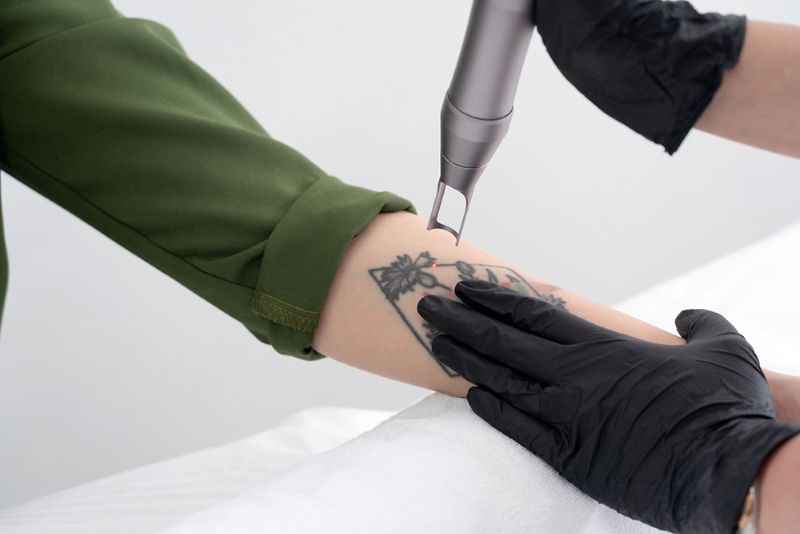
Laser tattoo removal is one of the most common methods for removing unwanted tattoos. A specialized laser directs short pulses of energy into the skin, breaking tattoo pigment into smaller particles that the body’s immune system gradually clears away.
Because tattoo ink sits beneath the skin’s surface, removal usually requires several appointments. Your skin needs time to heal between sessions, and fading happens gradually rather than overnight.
Although laser technology has improved, complete removal is not guaranteed. Some tattoos fade considerably, while others leave faint outlines or traces of colour. The outcome depends on the ink, tattoo depth, age, skin characteristics and individual healing response. The U.S. Food and Drug Administration explains tattoo removal options and limitations.
What Are the Tattoo Removal Options?
Laser treatment is often the first option people consider, but alternatives exist. Surgical removal involves cutting out the tattooed skin and closing the wound. It may be suitable for some small tattoos, but it leaves a scar and is not appropriate for every design.
Dermabrasion removes or abrades layers of skin, but results can be unpredictable, and scarring may occur. A qualified healthcare professional can explain whether any alternative approach is suitable for you.
You may also see tattoo removal creams advertised online. Unfortunately, creams cannot reliably remove ink embedded in the deeper layers of skin. Harsh chemicals and home remedies can cause irritation, burns and permanent scarring. Professional advice is a safer starting point than experimenting with unverified products.
How Much Does Tattoo Removal Cost in Canada?
The cost of tattoo removal varies between clinics and depends on the tattoo’s size, colours, treatment method and the number of sessions required. Some providers charge per appointment according to tattoo size, while others offer treatment packages.
Before committing, ask for a clear estimate. Find out whether consultations, follow-up appointments and aftercare products cost extra. If a clinic offers a package, ask what happens if you need additional sessions.
Your goal also matters. Fading a tattoo enough for a cover-up may require a different treatment plan from attempting to remove as much ink as possible. Compare providers carefully rather than choosing the cheapest advertised price. Experience, appropriate equipment, qualifications and safety practices are important when a procedure involves your skin.
How Many Sessions Will You Need?
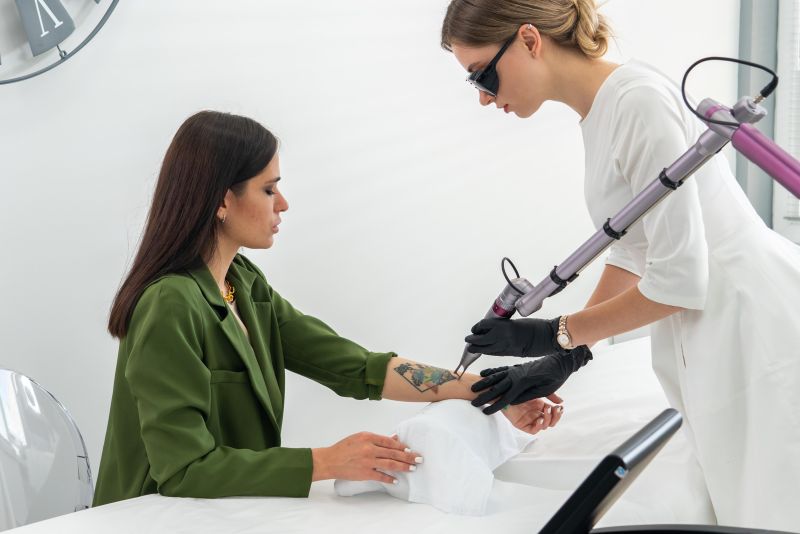
There is no single number of sessions that applies to every tattoo. Some designs respond relatively well to laser treatment, while others require many appointments and may never disappear completely. Black and dark blue inks often respond better than certain other colours, although results vary.
The tattoo’s size, depth, age and location can affect the process. Your skin characteristics and body’s ability to clear pigment also play a role. A qualified provider should assess your tattoo and explain what may be realistic.
Patience is essential because appointments are spaced apart to allow healing and pigment clearance. Treatment may take many months and sometimes longer than a year. If you want a tattoo removed before a holiday or special event, plan well ahead rather than expecting a quick result.
Be cautious of anyone who guarantees complete removal within a fixed number of sessions without assessing your tattoo.
Does Tattoo Removal Hurt?
Laser tattoo removal is often described as a series of quick, sharp snaps against the skin. Some people find the discomfort manageable, while others find it painful. The experience depends on the tattoo’s location, treatment settings and your personal pain tolerance.
Some clinics offer cooling methods or other ways to help manage discomfort. Ask about these options before your appointment. Tell your provider about medications, medical conditions, previous reactions to tattoo ink or a history of unusual scarring so they can assess your individual circumstances.
What Are the Risks of Tattoo Removal?
After laser treatment, the skin may become red, swollen or tender. Blistering and crusting can also occur during healing. Some people experience changes in skin colour, with the treated area becoming lighter or darker than the surrounding skin. Other possible complications include burns, infection, scarring and changes in skin texture.
Choosing an appropriately qualified provider and following aftercare instructions can help reduce avoidable risks, but no procedure is completely risk-free. If your tattoo is already raised, persistently itchy, inflamed or changing in appearance, seek medical advice before pursuing cosmetic removal.
Health Canada provides further information about the risks and considerations associated with cosmetic laser treatments.
Tattoo Removal Aftercare
Aftercare is an important part of the process. Keep the treated area clean and follow your provider’s instructions about washing, dressings and ointments. Avoid picking at scabs or popping blisters, as doing so can increase the risk of infection and scarring.
Protect healing skin from sunlight and ask your provider when sunscreen can safely be used. You may also need to avoid activities that irritate the area while it heals.
Contact your provider if you are concerned about your recovery. Increasing pain, spreading redness, warmth, pus or fever may indicate a complication that needs prompt medical attention. Do not rush into another session simply because some ink remains visible. Your skin needs time to recover between treatments.
How to Choose a Tattoo Removal Clinic
Before booking, ask about the practitioner’s qualifications, experience and laser technology. Find out how they select treatment settings for different skin tones and ink colours, what results are realistic and how many sessions may be required.
Ask for an estimate of the total cost and find out whom you should contact if your skin reacts unexpectedly. In Canada, check the applicable provincial or territorial requirements for the service and practitioner. You may also want to speak with your family doctor or a dermatologist if you have a skin condition or a history of scarring.
Be wary of clinics that promise perfect results or pressure you to buy a large treatment package before assessing your tattoo. A reputable provider should explain the limitations honestly and give you time to consider your options.
Is Tattoo Removal Worth It?
Whether tattoo removal is worth the time and expense is a personal decision. For some people, removing an unwanted tattoo provides peace of mind. Others may decide that fading the design is enough, particularly if they are considering a cover-up.
Think about your reasons for wanting removal, your budget and the time you can commit to treatment. It is also worth considering how you would feel if the tattoo faded substantially but did not disappear completely.
A consultation allows you to ask questions, discuss realistic outcomes and understand the costs without immediately committing to treatment. There is no need to rush into a decision.
Final Thoughts
Tattoo removal can help reduce unwanted ink, but it is not an instant fix. Multiple sessions are usually necessary, results vary and complete removal is not always possible. Before booking, compare providers, understand the costs and ask about potential risks and recovery.
Avoid at-home creams and harsh chemical treatments that may damage your skin without removing the tattoo. Taking time to understand your options will help you decide whether tattoo removal is right for you.
Disclaimer: This article is for general informational purposes only and is not a substitute for medical advice. Consult a qualified healthcare professional about your individual circumstances before undergoing tattoo removal.