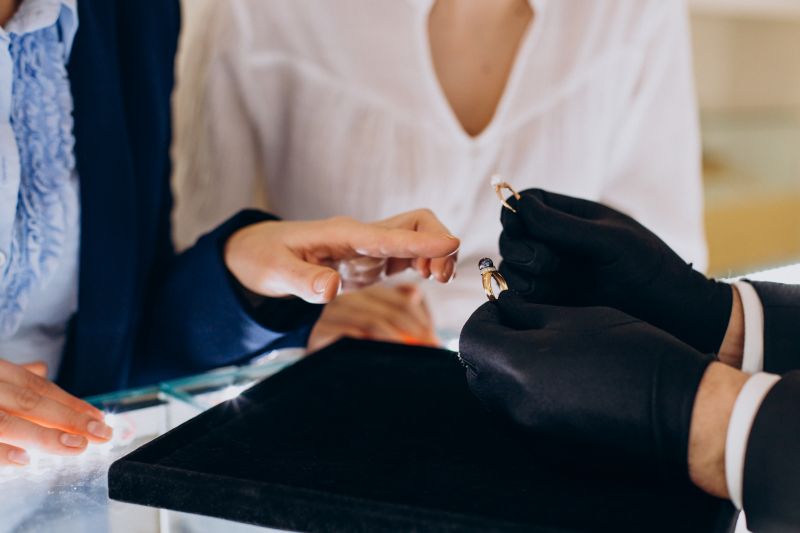
Jewelry Insurance: Should You Insure Expensive Jewelry?
10 min read
1898 words
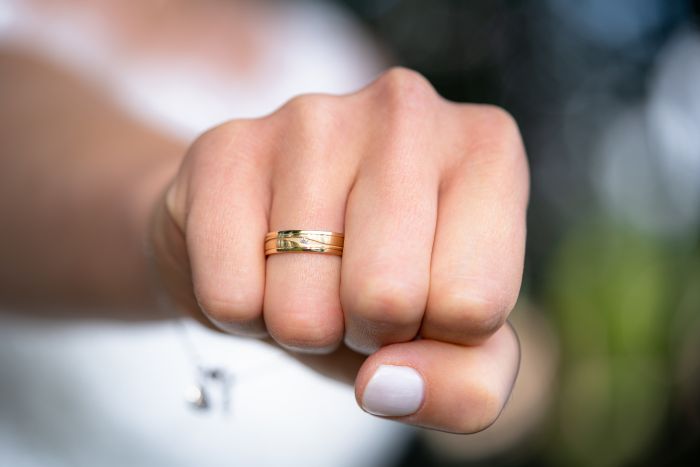
An engagement ring marking an important milestone, an inherited necklace that has been in the family for years, or an expensive watch purchased to celebrate a career achievement can be worth much more than its price tag. Jewelry can carry financial value, but it can also have a great deal of personal meaning. Unfortunately, jewelry is also easy to lose, damage or steal. A ring can slip off while you are swimming. A necklace can break while you are out for the day. An expensive watch can be left behind while travelling. If the piece is worth thousands of dollars, replacing it may not be something you can easily afford. Many people assume their homeowners or renters insurance will automatically cover expensive jewelry. It may provide some protection, but there can be limits and exclusions that are important to understand. This is where jewelry insurance or additional coverage for valuable items can become worth considering.
What Is Jewelry Insurance?
Jewelry insurance is coverage designed to help protect valuable jewelry against certain types of loss, theft or damage.
There are generally two ways to insure an expensive piece.
The first is to add the jewelry to an existing homeowners or renters insurance policy. This is often called scheduling an item or adding an endorsement. The second option is a separate policy specifically designed for jewelry.
The right choice depends on the value of the jewelry, the coverage already included in your home insurance policy and the types of risks you want covered.
Before buying additional insurance, take a close look at your existing policy. You may already have some coverage, but the limits may be lower than you expect.
Does Homeowners Insurance Cover Jewelry?
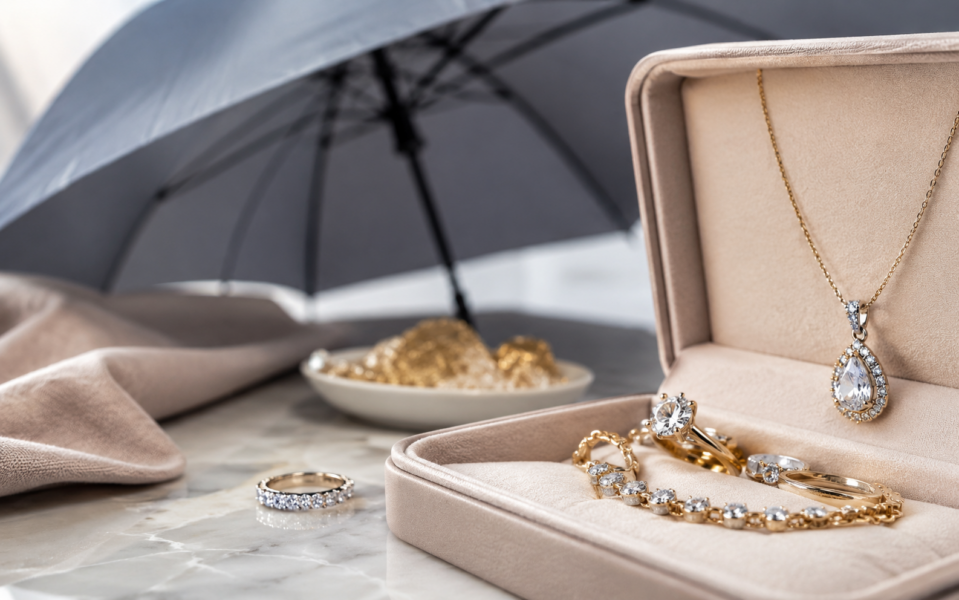
Homeowners and renters insurance can include coverage for jewelry, but that does not necessarily mean your entire collection is fully protected.
Many policies have special limits for certain types of valuable property. Jewelry may have a lower limit for losses caused by theft, for example. Your policy may also have a deductible that affects how much you would actually receive after a claim.
There can also be a difference between jewelry that is stolen and jewelry that is simply lost.
For example, if someone breaks into your home and steals a $5,000 ring, your insurance may provide some coverage, subject to the terms and limits of your policy. If you accidentally leave the same ring somewhere and cannot find it, the situation may be treated differently.
This is why it is important to check your policy rather than assuming that every type of loss is covered.
When Should You Consider Jewelry Insurance?
Not everyone needs separate insurance for every piece of jewelry they own. However, additional coverage may be worth considering if replacing an item would put a strain on your finances.
You may want to look into jewelry insurance if:
- A single piece is worth several thousand dollars.
- You own several valuable pieces of jewelry.
- You wear an expensive ring or watch every day.
- You regularly travel with valuable jewelry.
- You own an inherited piece that would be expensive to replace.
- Your current home insurance has a low limit for jewelry.
- Your policy does not cover the types of losses you are most concerned about.
An engagement ring is a good example. It may be worn almost every day, which means it is exposed to more opportunities for accidental damage or loss than a piece that stays in a jewelry box.
What Does Jewelry Insurance Typically Cover?
Coverage depends on the insurer and the policy you choose. Some policies offer broader protection than a standard homeowners or renters policy.
Depending on the coverage, jewelry insurance may protect against things such as:
- Theft
- Accidental loss
- Accidental damage
- Certain types of fire or other property damage
- Loss while travelling
- Damage that requires repair
Some policies may also cover situations where a piece simply disappears. This type of protection can be particularly important for jewelry because it can be surprisingly easy to lose a small item.
However, never assume that a particular situation is covered. Read the policy carefully and ask the insurer about anything that is unclear.
What May Not Be Covered?
Jewelry insurance does not mean that every type of damage or loss will automatically be covered.
Depending on the policy, exclusions may include:
- Normal wear and tear
- Gradual deterioration
- Certain cosmetic damage
- Intentional damage
- Fraudulent claims
- Damage caused by improper care
- Losses that fall outside the policy terms
For example, insurance is generally not intended to pay for the normal aging of a piece of jewelry. A scratched band from years of everyday wear is different from accidental damage caused by a specific incident.
The exclusions can be just as important as the coverage, so make sure you understand both before purchasing a policy.
How Much Does Jewelry Insurance Cost?
The cost of jewelry insurance varies depending on several factors. These can include the value of the jewelry, where you live, the type of item being insured, the coverage provided and the deductible.
You may see estimates suggesting that jewelry insurance costs around 1% to 2% of the item’s value each year. However, this should only be treated as a general guideline. Actual premiums can be different from one insurer to another.
For example, a $5,000 ring could cost considerably less to insure than the potential financial loss of having to replace it yourself. On the other hand, someone with a smaller collection may decide that paying an additional premium does not make sense for them.
Getting an actual quote is the best way to determine what the coverage would cost in your situation.
Do You Need an Appraisal for Jewelry Insurance?
An insurer may require an appraisal for valuable jewelry, particularly when an item is worth a significant amount.
An appraisal can document important details about the piece, including:
- The type of metal
- Gemstone information
- Carat weight
- Brand or designer
- Condition
- Estimated replacement value
- Photographs or other identifying information
Keep your receipts, appraisals, photographs and gemstone certificates in a safe place. Having good documentation can make it easier to establish what you owned and its value if you ever need to make a claim.
It is also worth checking with your insurer to see whether your appraisal needs to be updated periodically. Jewelry values can change over time.
How to Choose Jewelry Insurance
Before purchasing additional coverage, compare the details rather than simply choosing the cheapest option.
Ask:
- What types of loss are covered?
- Is accidental loss included?
- Is the jewelry covered when travelling?
- What is the deductible?
- Is the full replacement value covered?
- Do I need an appraisal?
- How often does the valuation need to be updated?
- Can I choose my own jeweler for repairs?
- What exclusions apply?
- What happens if the jewelry cannot be repaired or replaced?
If you already have homeowners or renters insurance, ask your current insurer what options are available before purchasing a separate policy. You may be able to add coverage for specific valuable items.
Jewelry Insurance vs. Homeowners Insurance
The best option depends on your circumstances.
| Coverage | Standard Home Insurance | Additional Jewelry Coverage | Separate Jewelry Policy |
|---|---|---|---|
| Jewelry coverage | Usually limited | Higher coverage may be available | Designed specifically for jewelry |
| Theft | Subject to policy limits | Often broader | Often broader |
| Accidental loss | May not be covered | May be available | May be available |
| Accidental damage | Policy dependent | May be available | May be available |
| Deductible | Usually applies | Depends on policy | Depends on policy |
| Travel coverage | Policy dependent | May be available | Often available |
The details can vary considerably between insurers, so this table should be used as a starting point rather than a guarantee of coverage.
Is Jewelry Insurance Worth It?
For some people, absolutely. For others, it may not be necessary.
A simple way to think about it is to ask yourself how you would feel financially if the jewelry disappeared tomorrow.
If you own a $7,000 ring and would struggle to replace it, paying for additional protection may provide useful peace of mind.
If your jewelry is worth a few hundred dollars and you could comfortably replace it yourself, you may decide that additional insurance is not worth the ongoing cost.
Your existing homeowners or renters insurance also matters. Before buying anything, find out exactly what your current policy covers and where the limits are.
How to Protect Your Jewelry Without Additional Insurance
Insurance is only one way to protect valuable jewelry.
You can also reduce the risk of loss or damage by:
- Keeping valuable pieces in a secure location when you are not wearing them.
- Taking photographs of your jewelry.
- Keeping receipts and appraisals.
- Having valuable pieces checked periodically for loose stones or worn settings.
- Being careful when wearing jewelry while swimming, exercising or doing household chores.
- Keeping expensive jewelry with you when travelling rather than placing it in checked luggage.
- Using a hotel safe when appropriate.
Good documentation is especially important. If you ever need to make a claim, photographs and receipts can help establish what the item looked like and what you paid for it.
What to Do If Your Jewelry Is Lost or Stolen
If expensive jewelry goes missing, contact your insurance company as soon as possible.
If you believe it was stolen, you may also need to report the theft to the police. Keep the report number and any related documentation.
Gather whatever information you have about the jewelry, including:
- Receipts
- Appraisals
- Photographs
- Gemstone certificates
- Serial numbers
- Brand information
- Details about when and where the item was lost or stolen
If the jewelry is damaged rather than lost, keep the damaged pieces until your insurer tells you what to do with them.
Frequently Asked Questions
Is jewelry insurance worth it?
It can be worthwhile if replacing your jewelry would create a significant financial burden or if your existing insurance does not provide enough protection.
Does homeowners insurance cover lost jewelry?
Not necessarily. Homeowners and renters insurance may cover jewelry in certain situations, but accidental loss may not be covered under a standard policy. Check your policy or speak with your insurer.
How much jewelry can I insure?
The amount you can insure depends on the insurer and the policy. High-value pieces may require appraisals and additional documentation.
Do I need an appraisal to insure jewelry?
You may. Requirements vary depending on the insurer and the value of the jewelry.
Can jewelry be insured outside the home?
Some policies provide coverage when jewelry is outside the home, including while travelling. However, the exact terms vary, so check the policy before assuming your jewelry is protected everywhere.
Does jewelry insurance cover an engagement ring?
An engagement ring can be insured, but the type of coverage available depends on the policy. Because engagement rings are often expensive and worn regularly, many people choose to add additional protection.
Conclusion

Whether jewelry insurance is worth the cost depends on the value of your jewelry, your existing insurance and how comfortable you would be paying for a replacement yourself.
Before buying additional coverage, review your homeowners or renters insurance and find out exactly what it covers. Pay particular attention to jewelry limits, deductibles, accidental loss and exclusions.
For a valuable engagement ring, family heirloom or expensive watch, additional coverage may be worth considering. For less expensive pieces, you may decide that the cost of insurance is not necessary.
The most important thing is knowing what protection you already have before you need to use it.