Yoga Benefits: Why Yoga Is Good for Your Body
8 min read
1559 words
Whether you are looking to regain flexibility, manage stress, improve your balance, or simply find a new way to stay active, exploring the many yoga benefits can be a welcoming path to better health. Often misunderstood as a practice reserved only for people who are naturally flexible or athletic, yoga is actually a versatile form of movement that can be adapted for all ages and fitness levels, including absolute beginners.
Yoga Benefits: Why Yoga Is Good for You
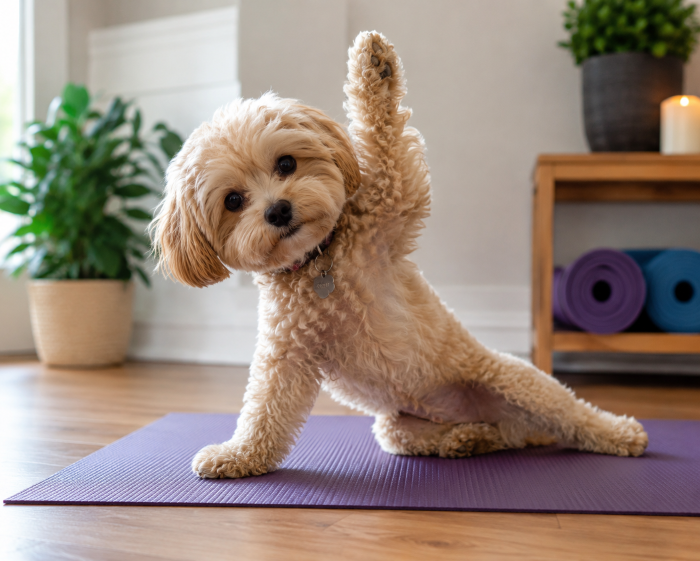
Whether you are looking to regain flexibility, manage stress, improve your balance, or simply find a new way to stay active, yoga offers a welcoming path to better health. Often misunderstood as a practice reserved only for people who are naturally flexible or athletic, yoga is actually a versatile form of movement that can be adapted for all ages and fitness levels, including absolute beginners.
From improving mobility and strength to supporting mental well-being, yoga offers benefits that can fit into almost any lifestyle. Whether you are young, older, returning to exercise after a break, or simply looking for a gentler way to move your body, yoga can be modified to meet you where you are.
What Is Yoga?
The many yoga benefits come from the combination of movement, breathing, and mindfulness. Unlike some forms of exercise that focus only on physical fitness, yoga supports both the body and mind, making it a well-rounded practice for overall wellness.
Three key elements of yoga include:
- Physical Postures (Asanas): Movements designed to improve flexibility, strength, balance, and body awareness.
- Breathing Techniques (Pranayama): Controlled breathing exercises that can help calm the nervous system and encourage relaxation.
- Mindfulness and Relaxation: Practices that encourage focus, reduce mental distractions, and promote a greater sense of calm.
Why Yoga Is Good for You
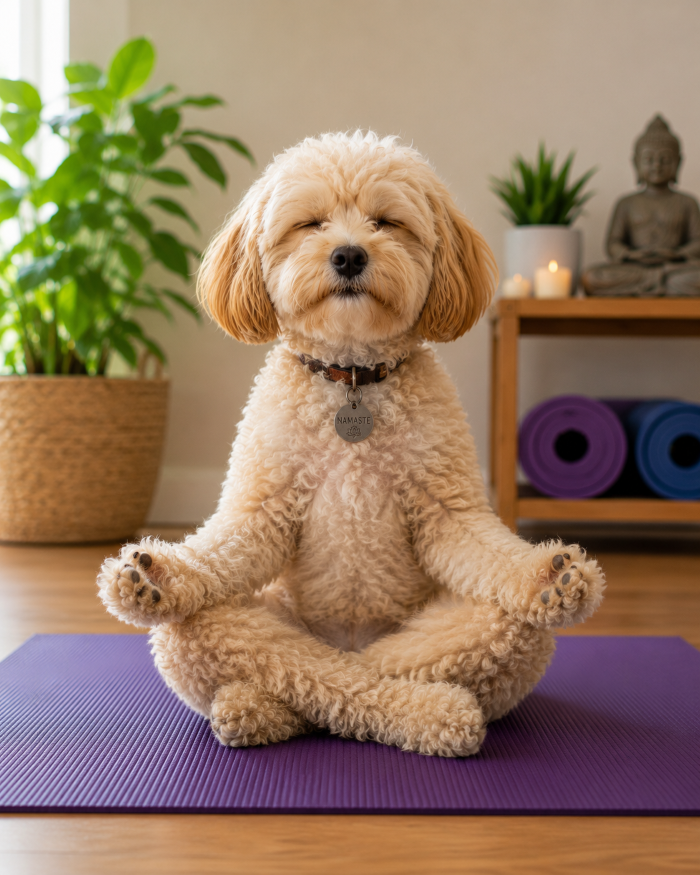
1. Improves Flexibility and Mobility
One of the most recognized yoga benefits is improved flexibility. Throughout life, muscles and joints can become stiff due to inactivity, stress, repetitive movements, or spending too much time sitting.
Regular yoga practice can help increase your range of motion, making everyday activities easier, such as:
- Reaching overhead for something on a shelf
- Getting up from a chair
- Bending while gardening
- Moving comfortably during daily activities
You do not need to be flexible to start yoga. Flexibility develops gradually with consistent practice.
2. Helps Build Strength
Yoga is often thought of as only a stretching activity, but many poses also help build functional strength.
By using your own body weight, yoga can strengthen:
- Legs
- Core muscles
- Back
- Arms
- Supporting muscles around joints
Building strength is important at every age because stronger muscles help support posture, movement, balance, and everyday independence.
3. Supports Better Balance and Coordination
Balance is an important part of staying active and confident throughout life. Yoga helps improve body awareness, coordination, and stability through controlled movements and poses.
You do not need to perform advanced poses to benefit. Simple seated, standing, or supported movements can help improve balance and confidence.
4. May Help Reduce Stress
Modern life can be busy and overwhelming. Between work, family responsibilities, technology, and daily commitments, many people struggle to find time to slow down.
Yoga encourages:
- Deep breathing
- Relaxation
- Mindfulness
- Taking time for yourself
Even a short yoga session can provide a calming break from the demands of everyday life.
5. Supports Joint Health
Gentle movement is important for keeping joints mobile. Yoga encourages movement through a comfortable range of motion, which can help reduce stiffness and improve flexibility.
For people experiencing arthritis, joint discomfort, or mobility challenges, gentle yoga may be a helpful addition to an overall wellness routine.
Always modify poses and avoid movements that cause pain.
6. Helps Improve Posture
Many daily habits can affect posture, including:
- Sitting at a computer
- Looking down at smartphones
- Driving for long periods
- Gardening or repetitive tasks
Yoga strengthens the muscles that support the spine and encourages greater awareness of how you hold your body.
Better posture can help you move more comfortably and reduce unnecessary strain.
7. Supports Mental Well-Being
Yoga benefits go beyond physical movement. Many people find that yoga helps them develop a more positive relationship with their body.
Yoga encourages:
- Body awareness
- Self-confidence
- Relaxation
- A healthier approach to movement
Rather than focusing on perfection, yoga is about appreciating what your body can do today.
Types of Yoga to Try
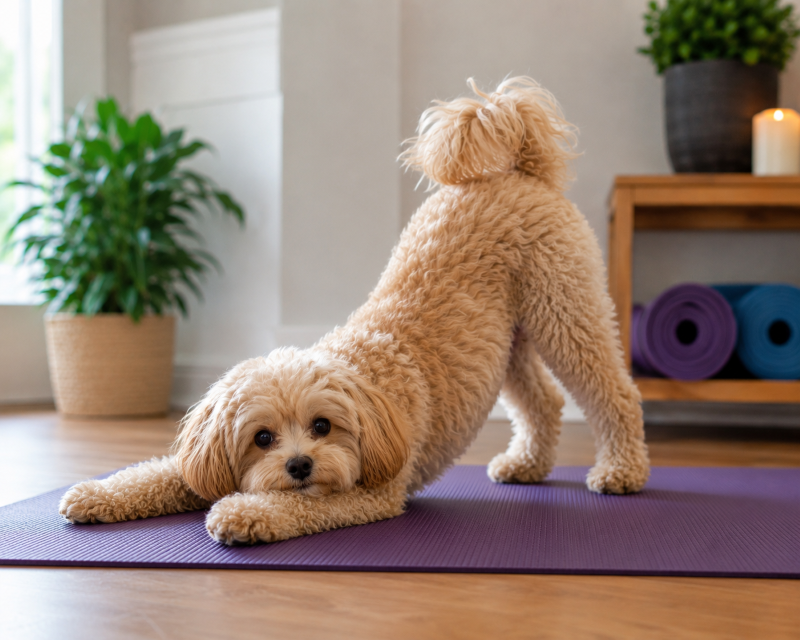
There are many different styles of yoga, making it possible to find an approach that matches your needs and comfort level.
Gentle Yoga
A great option for beginners or anyone who prefers slower movements and a more relaxed pace.
Chair Yoga
Chair yoga is excellent for people with limited mobility, balance concerns, or those who want extra support while exercising.
Restorative Yoga
This style focuses on relaxation, deep breathing, and gentle supported stretches.
Hatha Yoga
A slower-paced style that introduces foundational poses and breathing techniques.
Puppy Yoga: A Fun Way to Combine Movement and Joy
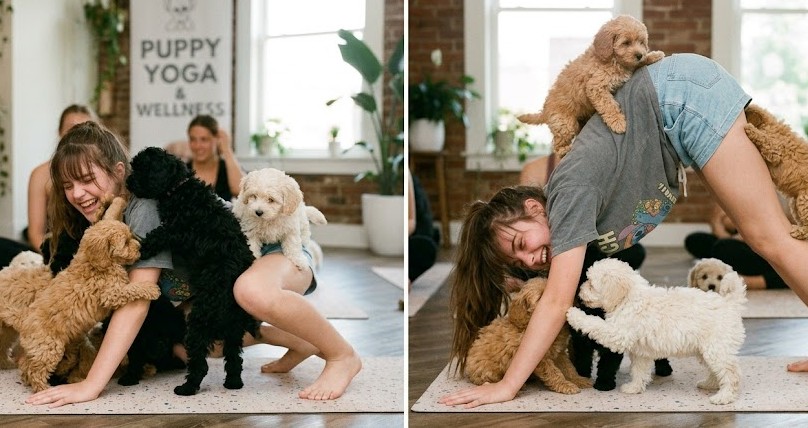
If you are looking for a more playful way to experience yoga benefits, puppy yoga has become a popular wellness trend that combines gentle yoga practice with the companionship of adorable puppies.
During a puppy yoga session, participants typically perform beginner-friendly yoga poses while puppies move around the room, interact with people, and provide plenty of opportunities for laughter and relaxation.
While puppy yoga is certainly fun, it may also offer some of the same wellness benefits associated with traditional yoga, including:
- Stress relief: Spending time with animals can create feelings of calm and happiness.
- Mindfulness: Puppies naturally encourage you to stay present and enjoy the moment.
- Gentle movement: Yoga poses can help improve flexibility, balance, and mobility.
- Social connection: Group puppy yoga classes can be a fun way to meet new people.
- Mood boost: Playing with puppies can bring joy and reduce feelings of stress.
Puppy yoga is not meant to replace a traditional yoga practice, but it can be an enjoyable way to introduce more movement, relaxation, and happiness into your routine.
If you decide to try puppy yoga, choose a responsible provider that prioritizes the comfort and safety of the puppies. A good program should include breaks for the animals, gentle handling, and a clean, safe environment for both participants and puppies.
Tips for Starting Yoga
If you are new to yoga, remember that everyone begins somewhere.
- Start slowly: Listen to your body and choose movements that feel comfortable.
- Use props: Blocks, straps, blankets, and chairs can make poses more accessible.
- Focus on how you feel: Yoga is not about comparing yourself with others.
- Be consistent: Small sessions practiced regularly can provide meaningful benefits.
Having the right equipment can make your yoga practice more comfortable and enjoyable. A supportive, non-slip yoga mat can help provide stability during poses while making your practice space feel more inviting. If you are looking for sustainable options, explore our guide on eco-friendly yoga gear and yoga mats to learn more about choosing a mat that supports both your practice and the environment.
Yoga Safety Tips
Before starting any new exercise program, consider speaking with your healthcare provider if you have medical concerns or existing injuries.
When practicing yoga:
- Tell your instructor about injuries or physical limitations.
- Avoid forcing stretches.
- Modify poses when needed.
- Stop if you experience sharp or unusual pain.
Yoga should challenge your body gently, not cause injury.
Frequently Asked Questions
Is yoga good for beginners?
Yes. Yoga is highly adaptable and can be modified for every fitness level. Beginners can start with gentle yoga, beginner classes, or chair yoga.
Can yoga help with flexibility?
Yes. Regular yoga practice can gradually improve flexibility, mobility, and range of motion.
Is yoga good for seniors?
Yes. Gentle yoga can support balance, strength, flexibility, and overall wellness at any age.
How often should you do yoga?
Many people benefit from practicing yoga a few times a week, but even short sessions of 10 to 15 minutes can provide physical and mental benefits.
Do you have to be flexible to do yoga?
No. Flexibility is something you develop through practice. Yoga is designed to meet you where you are, not require you to already be flexible.
Closing Thoughts: Embracing the Benefits of Yoga
The many yoga benefits go far beyond improving flexibility or learning new poses. Yoga is a practice that supports your body, calms your mind, and encourages a healthier relationship with movement at every stage of life.
Whether you are looking to reduce stress, improve balance, build strength, increase mobility, or simply take a few quiet moments for yourself, yoga can be adapted to fit your needs and lifestyle.
You do not have to be flexible, experienced, or athletic to begin. Yoga is about meeting your body where it is today and allowing yourself the opportunity to grow stronger, move more comfortably, and feel your best.
From gentle yoga and chair yoga to creative options like puppy yoga, there are many ways to discover the yoga benefits that work for you. With patience, consistency, and a focus on how you feel rather than perfection, yoga can become a rewarding part of your wellness journey.
Disclaimer
This article is for informational purposes only and is not intended to replace professional medical advice, diagnosis, or treatment. Before starting any new exercise program, including yoga, consult with your healthcare provider if you have existing health conditions, injuries, or concerns about your fitness level. Always listen to your body, practice within your abilities, and modify poses as needed.