
Should You Hire an Architect for Your Home Renovation?
10 min read
1856 words
Deciding to remodel your home is an exciting milestone, but it often comes with a long list of questions. One of the most common dilemmas homeowners face is whether they should hire an architect or rely solely on a contractor to manage the renovation. While hiring an architect is an additional investment, it can provide significant value depending on the size and complexity of your project.
The answer depends on the scope of your renovation. While many cosmetic updates can be completed without an architect, larger remodeling projects often benefit significantly from professional planning. An architect does far more than create attractive drawings. They design functional living spaces, solve structural challenges, improve traffic flow, maximize natural light, and help ensure your renovation complies with local building codes and permit requirements.
By choosing to hire an architect, you gain an experienced professional who can identify potential problems before construction begins, reduce costly mistakes, minimize delays, and create a home that is both beautiful and practical for years to come. Understanding when it makes sense to hire an architect can help you make an informed decision and set your renovation up for success.
What Does an Architect Do?
A home renovation architect acts as the bridge between your vision and the physical reality of construction. Their role is multifaceted and covers several technical and creative areas.
Designs Functional Living Spaces
Architects are experts in spatial awareness. They create floor plans that improve the natural flow and usability of your home. By analyzing how you live, they can maximize natural light, find clever ways to add storage, and balance modern aesthetics with everyday functionality.
Develops Detailed Construction Plans
For a contractor to build your vision accurately, they need precise blueprints. An architect for remodeling produces detailed drawings that serve as a roadmap for the build. They also coordinate with structural engineers when a project involves complex weight loads and provide specifications for high quality materials and finishes.
Helps Navigate Building Regulations
The administrative side of a renovation can be a nightmare for the uninitiated. Architects are trained to handle:
- Local building codes
- Zoning bylaws
- Permit requirements
- Accessibility standards
- Historic district regulations for heritage homes
When Should You Hire an Architect?
Knowing when do you need an architect depends largely on the “bones” of your project. If you are changing the footprint or the structure of the house, professional guidance is usually essential.
Home Additions
Whenever you add square footage, you need an architect. This includes second story additions, room bumps outs, or converting a garage into a livable suite.
Structural Renovations
If your home renovation planning involves removing load bearing walls to create an open concept layout or modifying the foundation, you need professional drawings to ensure the house remains safe and stable.
Major Kitchen Remodels
A simple cabinet swap is one thing, but if you are relocating plumbing, moving walls, or expanding the kitchen footprint, an architect ensures the new layout is both legal and logical.
Bathroom Expansions
For luxury spa bathrooms or reconfiguring a cramped layout to include accessibility features, an architect provides the technical precision needed for complex plumbing and electrical changes.
Whole Home Renovations and Historic Properties

Large scale projects that touch every room require a master plan to ensure consistency. Similarly, historic home renovations require a delicate touch to preserve character while updating systems to modern standards.
Signs You Should Hire an Architect
If you’re still unsure whether your renovation requires an architect, consider the scope of your project. While smaller cosmetic improvements often don’t require professional design services, the following situations are strong indicators that hiring an architect is a worthwhile investment.
- You plan to remove or relocate load-bearing walls.
- You’re adding a second story or expanding your home’s footprint.
- Your renovation involves major plumbing or electrical changes.
- You need detailed construction drawings for permits.
- You’re renovating an older or heritage home.
- You want to create an open-concept floor plan.
- Your project has a large budget with multiple contractors.
- You plan to stay in your home for many years and want a timeless, functional design.
Renovations That Usually Do Not Require an Architect
If your project is purely cosmetic, you likely do not need to Hire an Architect. Most contractors or interior designers can manage these updates without structural blueprints:
- Interior and exterior painting
- Flooring replacement
- Cabinet refacing or countertop replacement
- Installing new light fixtures
- Cosmetic bathroom updates like new tiling
- Interior decorating and furniture selection
- General landscaping
Keep in mind that even for cosmetic work, local building requirements may still apply for electrical or plumbing permits.
Benefits of Hiring an Architect

When you choose to Hire an Architect, you gain several long term advantages that go beyond the initial design phase:
- Better Space Planning: They find “hidden” space you might have overlooked.
- Improved Home Value: Professional design usually yields a higher resale price.
- Creative Design Solutions: They can solve awkward layout problems with innovative ideas.
- Fewer Construction Mistakes: Detailed plans prevent “guessing” on the job site.
- Better Communication with Contractors: The architect acts as your advocate and speaks the technical language of the builder.
- Increased Energy Efficiency: They can suggest better insulation, window placement, and sustainable materials.
- Future Proofing Your Home: Design choices that allow you to age in place comfortably.
Architect vs. Interior Designer: What is the Difference?
Many people confuse these two roles, but they serve different purposes in the renovation process.
| Feature | Architect | Interior Designer |
|---|---|---|
| Primary Focus | Structural design and “bones” | Interior aesthetics and “skin” |
| Deliverables | Building plans and blueprints | Furniture layouts and mood boards |
| Legal | Building permits and codes | Colour schemes and decor |
| Technical | Structural modifications | Styling and finishes |
Is it better to Hire an Architect or a designer? In many high end renovations, homeowners choose to hire both to ensure the house is as beautiful as it is structurally sound.
How Much Does an Architect Cost?

The cost of hiring an architect varies depending on your location, the size of the renovation, and the level of service required. While the upfront investment may seem significant, professional planning can often save money by reducing costly construction mistakes and minimizing project delays.
Architects commonly charge using one of the following pricing methods:
- Percentage of construction costs: Typically between 5% and 15% of the total renovation budget.
- Hourly rates: Often used for consultations or smaller renovation projects.
- Fixed fees: A predetermined price for projects with a clearly defined scope.
Additional services may include site visits during construction, permit applications, coordination with engineers, design revisions, and project management. Always request a detailed written proposal outlining exactly what is included in the architect’s fee.
Factors that influence the final cost include project size, the complexity of the design, your geographic location, and the level of service provided.
Questions to Ask Before Hiring an Architect
Before you officially Hire an Architect, use this checklist to ensure they are the right fit for your home:
- Are you licensed and insured in this state or province?
- Have you completed similar residential renovations recently?
- Can I see a portfolio of your past work?
- Will you handle the permit application process?
- Do you have a list of preferred contractors you work with?
- Who will be my primary point of contact during the project?
- How do you handle design revisions if I change my mind?
- What is your exact fee structure?
- What is the estimated timeline for the design phase?
How an Architect Can Save You Money
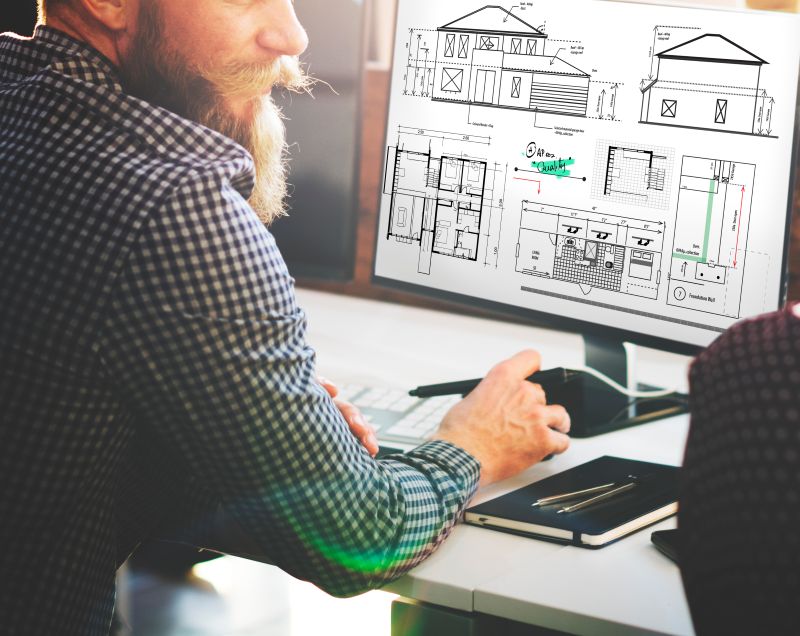
It seems counterintuitive that spending money on a professional saves money, but it is often true. Professional planning helps you:
- Avoid expensive design mistakes: Changing a wall on paper is free; changing it after it is built is thousands of dollars.
- Reduce construction delays: Clear plans keep the crew moving.
- Improve material efficiency: Architects know how to order exactly what is needed.
- Prevent permit issues: They ensure everything is legal from day one.
- Minimize costly change orders: Most change orders happen because of poor initial planning.
Although hiring an architect increases your upfront planning costs, it can reduce overall renovation expenses by preventing expensive redesigns, minimizing construction delays, improving material efficiency, and helping contractors work from accurate, detailed plans. Well-designed renovations also tend to deliver better long-term value by creating functional spaces that remain attractive for many years.
Tips for Working Successfully With an Architect
To get the most out of your partnership, follow these simple guidelines:
- Communicate Clearly: Be honest about your lifestyle and how you use your home.
- Establish a Realistic Budget: Tell your architect what you can afford so they don’t design something you can’t build.
- Share Inspiration: Use photos from magazines or websites to show the styles you love.
- Be Open to Suggestions: Trust their professional expertise when they suggest a different approach.
- Review Plans Carefully: Don’t wait until construction starts to realize you don’t like the layout.
How to Choose the Right Architect
Selecting the right architect is just as important as deciding whether to hire one. Take time to research professionals who have experience with projects similar to yours and whose design style matches your vision.
Before making your decision:
- Verify that the architect is licensed and insured.
- Review examples of completed residential renovations.
- Ask for references from previous clients.
- Discuss communication expectations and project timelines.
- Request a detailed proposal outlining services and fees.
- Make sure you feel comfortable asking questions throughout the design process.
A strong working relationship built on trust and communication can make the renovation process far more enjoyable and successful.
Frequently Asked Questions
Do I legally need an architect?
This depends on your local municipality. Many jurisdictions require a licensed professional for any structural changes or additions.
Can my contractor draw renovation plans?
Some design build contractors have in house designers, but they may not have the same level of architectural training for complex structural issues.
Can an architect help me stay on budget?
Yes, by creating a detailed “Scope of Work,” they help prevent the budget creep that happens when projects are ill defined.
Is an architect worth it for a kitchen renovation?
If you are moving walls or changing the fundamental layout, yes. If you are just replacing cabinets, probably not.
Should I hire an architect before getting contractor quotes?
Yes. Having a professional set of plans allows contractors to give you accurate, “apples to apples” bids.
Conclusion
If you’re still in the planning stages, our guide on how to make the most of your home renovation project offers practical tips for budgeting, hiring contractors, and planning a successful remodel from start to finish.
Not every home renovation requires an architect, but for projects involving structural changes, additions, major remodels, or significant layout modifications, hiring one can be one of the smartest investments you make. Their expertise helps transform ideas into practical designs while reducing the risk of costly mistakes, construction delays, and permit issues.
By carefully evaluating the scope of your renovation and working with qualified professionals, you can create a home that is beautiful, functional, energy-efficient, and built to meet your family’s needs for years to come. Whether you’re updating a single room or planning a whole-home transformation, an architect can help turn your vision into reality with confidence.