
Baby Teething Guide: Tips for Helping your Teething Baby
8 min read
1426 words
Your little one is growing up, and the arrival of their first tooth is an exciting milestone! While baby teething is a natural part of development, it can also be a challenging time for both babies and parents. The fussiness, endless drooling, chewing on everything, and disrupted sleep can leave everyone feeling exhausted. The good news is that there are safe and simple ways to help soothe your baby’s sore gums and make this stage more comfortable.
This baby teething guide covers everything parents need to know about baby teething, including when teeth appear, common symptoms, safe relief methods, and helpful teething products.
When Do Babies Start Teething?
Most babies begin teething around 6 months of age, but every child develops at their own pace. Some babies may get their first tooth earlier, while others may not see their first tooth until closer to their first birthday.
While waiting for that first little tooth can feel exciting, it is helpful for parents to understand the general order teeth usually appear. This timeline can help you know what to expect during your baby’s first few years.
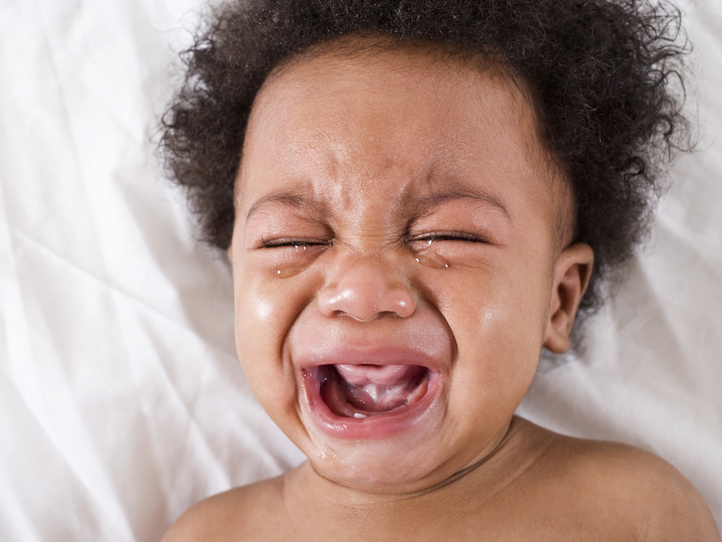
Baby Teething Timeline: When Do Babies Get Their First Teeth?
| Age Range | Teeth Appearing |
|---|---|
| 6–10 months | Lower central incisors (bottom front teeth) |
| 8–12 months | Upper central incisors (top front teeth) |
| 9–16 months | Lateral incisors (side front teeth) |
| 13–19 months | First molars |
| 16–23 months | Canine teeth (pointed teeth) |
| 23–33 months | Second molars |
Remember, this timeline is only a guide. Some babies follow this pattern closely, while others develop teeth earlier or later. A wide range of timing is completely normal.
The order of teeth appearing is usually more important than the exact age. By around age three, most children have a complete set of 20 primary teeth.
First Signs Your Baby Is Teething
How can you tell if your baby’s fussiness is caused by teething? While every baby is different, these are some of the most common signs.
1. Increased Drooling
Teething can stimulate saliva production, leading to much more drooling than usual. Excess moisture can sometimes cause a rash around the mouth, chin, or cheeks.
To help protect sensitive skin:
- Gently pat the area dry
- Use a soft bib to keep clothing dry
- Apply a baby-safe barrier balm if needed
2. Chewing on Everything
Babies often chew on toys, fingers, and anything they can safely reach while teething.
Chewing provides counter-pressure against sore gums and can temporarily relieve the feeling of pressure as teeth move through the gums.
Provide safe teething toys that are designed for babies to chew.
3. Swollen or Tender Gums
You may notice that your baby’s gums look swollen, red, or feel sensitive. This discomfort can sometimes make feeding more difficult.
Some babies may temporarily change their eating habits, whether they are breastfeeding, bottle-feeding, or starting solids.
4. Fussiness and Irritability
A sore mouth can make babies uncomfortable and extra clingy. Your baby may want more cuddles, attention, and reassurance during this stage.
5. Sleep Changes
Teething discomfort may interrupt normal sleep patterns. Some babies wake more often during naps or bedtime because their gums feel sore.
6. Changes in Feeding
Some babies may eat less while teething, while others may want extra comfort through breastfeeding or bottle-feeding.
If feeding concerns continue, speak with your healthcare provider.
Does Teething Cause Fever?
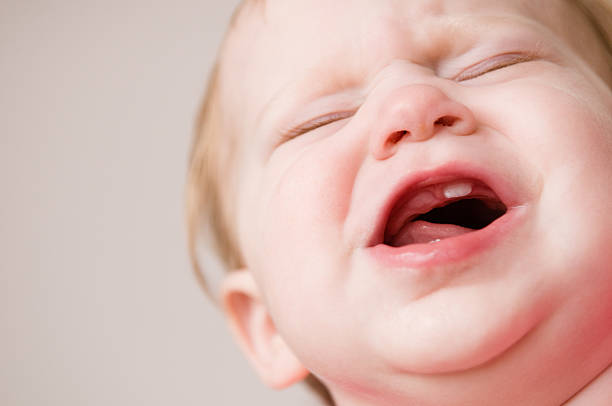
Many parents wonder if teething causes fever. While teething may cause mild discomfort and a slight increase in temperature, it does not usually cause a true fever.
Typical teething symptoms include:
- Drooling
- Gum irritation
- Chewing
- Fussiness
Contact a healthcare provider if your baby has:
- A fever over 101°F (38.3°C)
- Persistent diarrhea
- Vomiting
- A rash
- Signs of infection
- Changes that concern you
Always trust your instincts and seek medical advice when needed.
How to Soothe a Teething Baby: Safe Relief Tips
1. Offer Safe Teething Toys
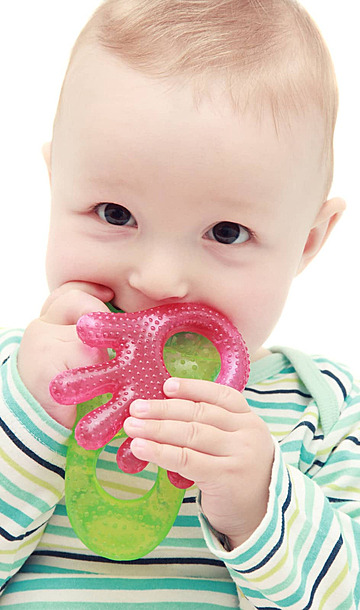
Teething toys can provide comfort by allowing babies to safely chew and massage their gums.
Look for:
✔ BPA-free materials
✔ Age-appropriate designs
✔ Easy-to-clean surfaces
✔ Textured areas for chewing
✔ No small parts
Silicone and rubber teethers are popular choices because they are soft, durable, and easy for little hands to hold.
Parents looking for a wearable option may also want to explore [How Dr. Bloom’s Chewable Jewelry Helps Teething], which explains how chewable jewelry can provide babies with a safe and convenient way to soothe sore gums while allowing parents to keep a teething accessory close at hand.
2. Use a Chilled Washcloth
A cool washcloth can provide soothing relief.
To use:
- Wet a clean washcloth
- Place it in the refrigerator until cool
- Allow your baby to chew on it while supervised
Avoid freezing hard objects because they may be uncomfortable or too harsh on sensitive gums.
3. Massage Baby’s Gums
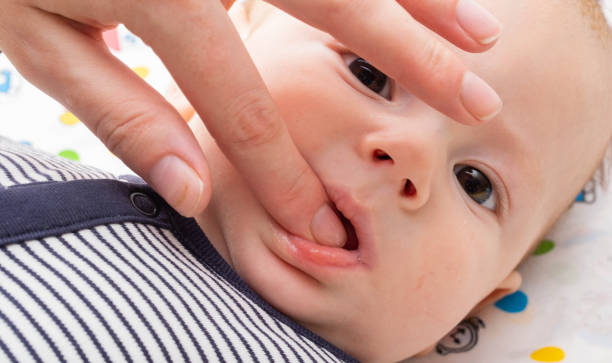
A gentle gum massage can help relieve pressure.
Always:
- Wash your hands first
- Use a clean finger
- Apply gentle pressure to sore areas
4. Provide Extra Comfort
Sometimes the best solution is extra love and reassurance.
Helpful comfort strategies include:
- Rocking
- Extra cuddles
- Calm bedtime routines
- Gentle soothing activities
Best Teething Products for Babies
Having the right products available can make the teething stage easier for parents.
Silicone Teething Toys
Silicone teethers are soft, easy to grip, and available in many shapes and textures.
Popular options include:
- Sophie la Girafe
- Mushie Silicone Teethers
- Nuby Teething Products
Teething Rings
Teething rings are lightweight, portable, and easy for small hands to hold. They are convenient to keep in a diaper bag for outings.
Baby Toothbrushes
Once your baby’s first tooth appears, it is time to begin creating healthy brushing habits.
Choose:
- A soft infant toothbrush
- A small brush head
- A comfortable handle
Teething Safety: What Parents Should Avoid
Your baby’s safety is always the priority. While many teething products are designed to provide comfort, some options can pose risks and should be avoided.
Avoid using amber teething necklaces because they carry significant choking and strangulation risks and are not recommended for infants. Also avoid numbing gels containing benzocaine, as these products are not recommended for babies. Always consult your pediatrician or healthcare provider before using any medicinal products or pain-relief treatments for your infant.
Frozen Hard Toys
While cool teething items can help soothe sore gums, frozen solid toys or objects may be too hard and uncomfortable for delicate baby gums. Choose chilled items rather than completely frozen ones.
Unsafe Homemade Teething Solutions
Avoid homemade teething remedies that may create choking risks, contain unsafe ingredients, or cannot be properly cleaned.
Products Without Safety Standards
Choose teething products made from baby-safe materials and designed specifically for infants. Avoid items with small parts, loose pieces, or materials that could break apart during use.
Caring for Your Baby’s First Tooth
Congratulations! That first little tooth is an exciting milestone.
Begin caring for your baby’s teeth by:
- Brushing as soon as the first tooth appears
- Using a soft infant toothbrush
- Following dental professional recommendations for toothpaste use
- Scheduling an early dental visit
Starting good oral care habits early helps support a lifetime of healthy smiles.
Teething and Sleep: Helping Your Baby Rest
Teething can temporarily affect sleep. These tips may help:
- Keep bedtime routines consistent
- Offer comfort before sleep
- Try a chilled teether before bedtime
- Create a calm sleeping environment
Remember that teething is temporary, and most babies return to their normal routines once the tooth appears.
Teething Tips for Parents on the Go
Keep your diaper bag prepared with helpful teething essentials:
- Extra bibs for drooling
- A favourite teething toy
- A clean washcloth
- Baby toothbrush
- Extra clothing
- Feeding supplies
A little preparation can make outings much easier.
Frequently Asked Questions About Baby Teething
When do babies get their first tooth?
Most babies get their first tooth around 6 months, but it is normal for teeth to appear anywhere from about 4 to 12 months.
How long does teething last?
Each tooth may cause discomfort for a few days before and after it appears. The complete teething process usually continues until around age 3.
Do all babies have painful teething?
No. Some babies experience very little discomfort, while others have more noticeable symptoms.
Can teething cause diarrhea?
Teething itself does not cause diarrhea. If your baby has diarrhea, vomiting, fever, or other signs of illness, contact your healthcare provider.
Conclusion: Supporting Your Baby Through Teething
Baby teething is a temporary stage but an important milestone in your child’s development. By understanding the signs, using safe soothing methods, and having helpful products available, parents can make this transition easier.
Celebrate those first little teeth, enjoy the smiles that come with each new milestone, and remember that this stage is just one step in your baby’s journey of growing up.