
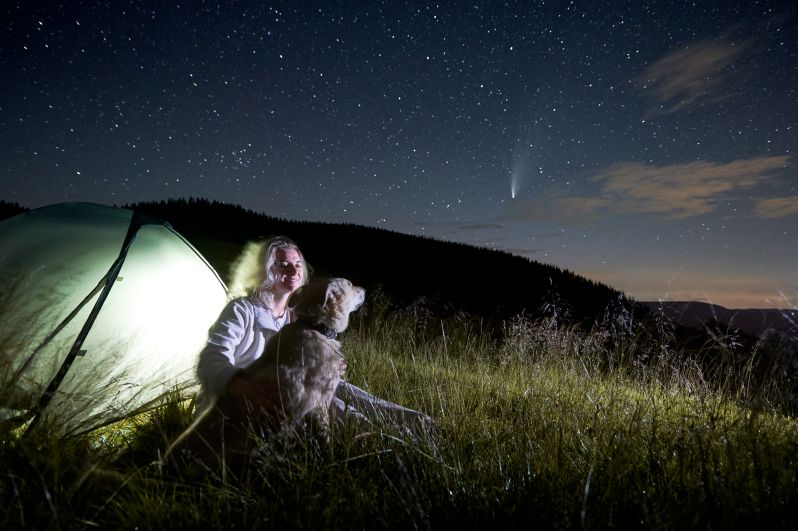
2026 Summer Astronomical Events: Stargazing Guide
9 min read
1671 words
Summer in Canada is a season of long days, warm evenings, and endless opportunities for outdoor adventures. It is the perfect time for family camping trips, backyard gatherings, cottage weekends, and activities that continue long after sunset. One of the most magical summer activities requires no reservation or ticket. You simply need to look up. The 2026 summer astronomical events calendar offers Canadians exciting opportunities to explore the night sky, including meteor showers, a total solar eclipse, a partial lunar eclipse, and unforgettable stargazing experiences. Whether you are watching from your backyard, a campsite, a cottage, or a Dark Sky Preserve, summer 2026 is the perfect time to discover the wonders above.
Why Summer Is the Perfect Time for Stargazing
For families and travellers, summer provides ideal conditions for exploring the night sky. Comfortable evening temperatures make it enjoyable to relax outdoors with a blanket or lawn chair while watching the stars appear.
Longer summer evenings also provide more time to watch the sky transition from sunset into a sparkling display of stars and planets.
Stargazing is an activity that brings families together, encourages curiosity in children, and can be enjoyed by all ages. You do not need expensive equipment to get started. Many astronomical events, including meteor showers, can be enjoyed with the naked eye.
A camping trip, cottage weekend, or evening in the backyard can become a memorable astronomy adventure with just a little preparation.
2026 Summer Astronomical Events to Watch in Canada
Southern Delta Aquariid Meteor Shower: July 28 to 30, 2026
The Southern Delta Aquariids are one of the highlights of late July. While not as famous as the Perseids, this meteor shower offers a wonderful opportunity for patient skywatchers.
The best viewing time is after midnight and before dawn when the sky is darkest and meteors are easier to spot. As with all meteor showers, the best views happen away from city lights.
Tips for Watching Meteor Showers
• Find a dark location away from light pollution
• Bring a comfortable chair or blanket
• Allow your eyes 20 to 30 minutes to adjust to darkness
• Avoid bright phone screens or use night mode
• Check the weather forecast before heading outside
Perseid Meteor Shower: August 11 to 13, 2026
The Perseids are one of the most popular meteor showers of the year and a favourite summer activity for families, campers, and photographers.
Known for bright and fast-moving meteors, the Perseids are an excellent introduction to astronomy. Under ideal dark sky conditions, viewers may see dozens of meteors during the peak.
Great viewing locations include:
• Provincial parks
• Cottage areas
• Rural locations away from city lights
• Dark Sky Preserves
Total Solar Eclipse: August 12, 2026
One of the most anticipated astronomy events of 2026 is the total solar eclipse on August 12.
A total solar eclipse occurs when the Moon passes between the Sun and Earth, temporarily blocking the Sun’s light. During totality, viewers can see the Sun’s outer atmosphere, known as the corona.
Many astronomy enthusiasts plan travel around this rare event.
Eclipse Safety
Never look directly at the Sun during an eclipse without proper protection. Always use certified eclipse glasses or approved solar viewing equipment to protect your eyes.
Partial Lunar Eclipse: August 28, 2026
Later in August, a partial lunar eclipse will occur as the Moon passes through part of Earth’s shadow.
Unlike a solar eclipse, a lunar eclipse is safe to watch without special equipment, making it an excellent family-friendly astronomy event.
Best Places in Canada for Summer Stargazing
To enjoy the best views of summer sky events, choose locations with darker skies and less light pollution.
Canada is home to many incredible stargazing destinations that combine beautiful scenery, outdoor recreation, and unforgettable night sky views.
Jasper National Park Dark Sky Preserve, Alberta

Jasper offers some of the best stargazing conditions in Canada. As one of the largest Dark Sky Preserves in the world, it provides incredible opportunities to view stars, planets, and meteor showers.
Bruce Peninsula Dark Sky Preserve, Ontario
Located near Georgian Bay and Lake Huron, Bruce Peninsula offers beautiful scenery, camping opportunities, and family-friendly outdoor experiences.
Killarney Provincial Park, Ontario
Known for its stunning landscapes and dark skies, Killarney is a popular destination for camping, photography, and astronomy.
Stargazing Gear for Summer 2026
You can enjoy many sky events with just your eyes, but the right equipment can make the experience even better.
Recommended Beginner Telescope for Families
Celestron StarSense Explorer LT 80AZ Refractor Telescope
A beginner telescope can turn a simple summer evening into a memorable astronomy adventure.
The Celestron StarSense Explorer LT 80AZ is a family-friendly option that makes it easier for new stargazers to explore the night sky. Unlike traditional telescopes that can be difficult for beginners to aim, this model uses smartphone-guided technology to help users locate stars, planets, and other celestial objects.
Helpful features include:
• Easy setup for beginners
• Smartphone guidance to find objects in the sky
• Clear views of the Moon’s craters and planets
• Stable tripod design
• Beginner-friendly controls
This telescope is a great choice for backyard stargazing, cottage weekends, and family camping trips.
Recommended Stargazing Binoculars
Celestron Cometron 7×50 Binoculars
Binoculars are one of the easiest ways to begin exploring the night sky. They are affordable, portable, and simple enough for children and beginners to use.
The Celestron Cometron 7×50 Binoculars provide bright views of the Moon, constellations, and star clusters.
Helpful features include:
• 7x magnification for steady handheld viewing
• Large 50mm lenses for brighter images
• Wide field of view for finding stars
• Beginner-friendly design
Pair binoculars with an astronomy app and a cozy blanket for a simple backyard stargazing adventure.
Camping Gear for Stargazing Adventures
If you plan to travel to darker locations, comfortable camping gear can make your stargazing experience much more enjoyable.
Whether you are visiting a Dark Sky Preserve, camping at a provincial park, or enjoying a backyard astronomy night, preparation helps your family stay comfortable while spending several hours outdoors.
Our guide to”Essential Camping Gear for Summer Camping Trips” covers the must-have items to help make your outdoor adventure more comfortable, organized, and enjoyable.
Essential Camping Gear
Tent or Shelter
A comfortable tent provides a place to rest before and after late-night sky watching. Look for a tent that is easy to set up, weather-resistant, and large enough for your family.
Sleeping Bags and Warm Layers
Summer nights can become surprisingly cool, especially near lakes and open fields. Pack sleeping bags, sweaters, fleece blankets, and extra layers.
Camping Lanterns and Headlamps
Lighting is important when moving around after dark. Choose lanterns with adjustable brightness and consider red-light settings to help protect your night vision.
Recommended Portable Power Bank for Stargazing
Anker Power Bank (20K, 87W, Built-In USB-C Cable)
A portable power bank is a useful addition to any family stargazing kit. Smartphones, cameras, astronomy apps, and camping lights can quickly use battery power during long evenings outdoors.
Helpful features include:
• 20,000mAh capacity
• Fast USB-C charging
• Built-in cable for convenience
• Portable design
• Ability to charge multiple devices
A charged phone is especially helpful when using astronomy apps to identify stars, planets, and constellations.
Outdoor Chairs and Comfort Items
Long stargazing sessions are much easier when you have a comfortable place to sit.
Recommended Stargazing Chair: GCI Outdoor Pod Rocker
The GCI Outdoor Pod Rocker is a great choice for backyard astronomy nights, camping trips, and cottage adventures.
Helpful features include:
• Comfortable seating for long viewing sessions
• Rocking feature for relaxing outdoors
• Cup holder for drinks
• Portable folding design
• Easy transportation
Other helpful comfort items include:
• Folding camping chairs
• Reclining outdoor chairs
• Outdoor cushions
• Water-resistant picnic blankets
A comfortable setup can turn a simple evening outdoors into a special family tradition.
Astronomy Apps for Stargazing
Technology can make learning about the night sky easier and more enjoyable.
Astronomy apps can help you:
• Identify stars and planets
• Find constellations
• Track meteor showers
• Learn Moon phases
• Discover satellites
Popular options include Sky Guide and Star Walk 2, which are helpful tools for beginners, families, and children.
Download apps before leaving home, especially if visiting remote campgrounds or Dark Sky Preserves where internet access may be limited.
Astronomy Activities for Children
Stargazing is more than simply looking at the sky. It is an opportunity for children to explore, ask questions, and develop curiosity about science.
Keep a Moon Journal
Children can draw the Moon each night, record the date, and observe how its shape changes throughout the month.
Learn Three Constellations
Start with easy-to-find constellations such as:
• The Big Dipper
• Orion
• Cassiopeia
Using a star map or astronomy app can make finding constellations feel like a treasure hunt.
Draw What You See Through Binoculars
Children can sketch:
• Moon craters
• Bright stars
• Planets
• Star clusters
This combines creativity with science.
Create a Backyard Constellation Hunt
Turn stargazing into a family game by searching for specific constellations and learning interesting facts about the stars.
Use a Star Projector Indoors Before Camping
A star projector can introduce younger children to astronomy before heading outdoors.
The Cloud B Dream Buddies Bunny Star Projector combines a cuddly plush toy with a calming star projection feature, helping children become familiar with the night sky before their real stargazing adventure.
Family Stargazing Travel Ideas
Turn summer astronomy events into a memorable family experience.
Ideas include:
• Planning a camping weekend around a meteor shower
• Visiting a Dark Sky Preserve
• Exploring provincial parks
• Attending astronomy events
• Visiting observatories or planetariums
Tips for a Successful Summer Stargazing Night
✔ Check the weather forecast
✔ Choose locations away from city lights
✔ Download astronomy apps before leaving home
✔ Bring warm clothing for cooler evenings
✔ Pack snacks and drinks
✔ Charge cameras and devices
✔ Bring comfortable seating and blankets
Conclusion: Make Summer 2026 a Season of Discovery
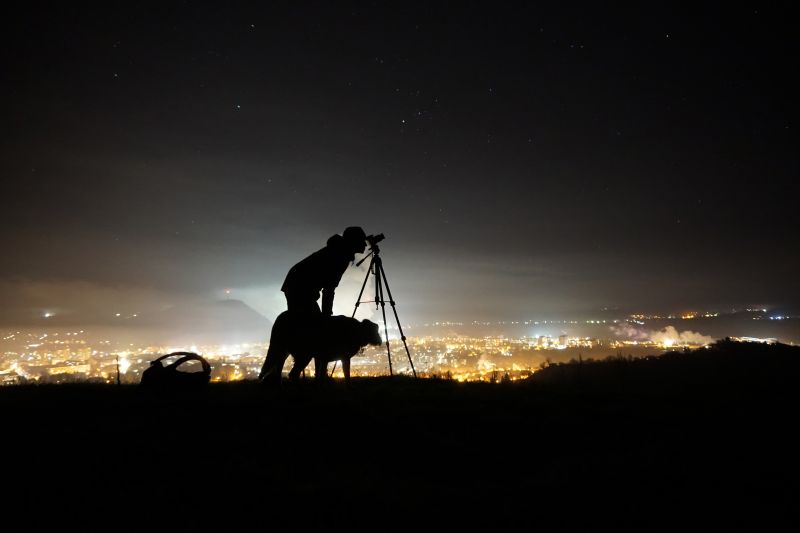
The 2026 summer astronomy calendar gives Canadians many opportunities to experience the beauty of the night sky.
From meteor showers and eclipses to family camping adventures and backyard discoveries, these Summer Astronomical Events provide the perfect reason to spend more time outdoors and explore the night sky.
With the right equipment, technology, and destination, anyone can enjoy the wonder of astronomy. This summer, make looking up part of your family’s adventure.