Dr. Bloom’s Chewable Jewels Review
6 min read
1107 words
When my three-month-old daughter began showing signs of teething, our peaceful home quickly changed. Suddenly, there were more tears, endless drooling, and a constant need to chew on her fingers. The discomfort was frustrating for her and exhausting for everyone.
I tried several traditional teething products, from water-filled teethers that leaked to soft cloth teethers that became soaked and difficult to keep clean. While some provided temporary comfort, I was still looking for something that would fit more easily into our daily routine.
That was when another parent recommended Dr. Bloom’s Chewable Jewels, a type of chewable jewellery marketed for babies during the teething stage. At the time, the wearable design caught my attention as an alternative to conventional teethers.
Looking back at this product from 2013, it is worth examining its original appeal alongside what parents should know about teething product safety today.
What Were Dr. Bloom’s Chewable Jewels?
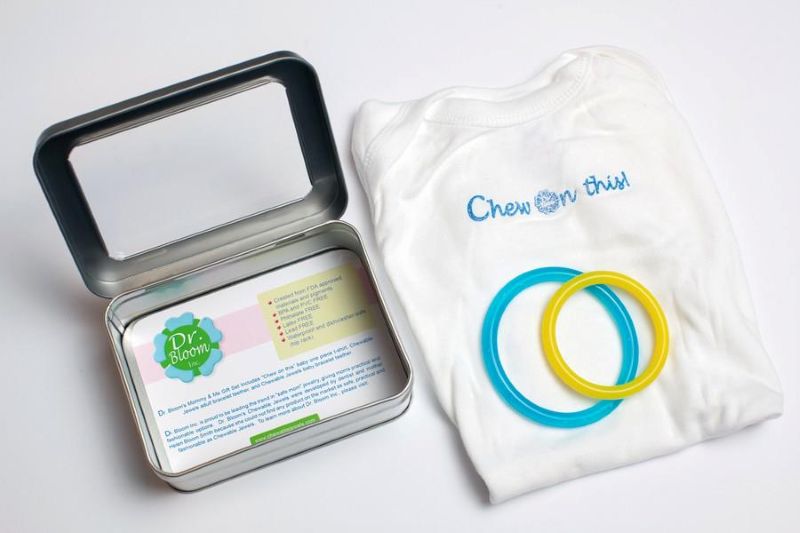
Dr. Bloom’s Chewable Jewels were designed as wearable teething jewellery, featuring colourful beads intended to give babies something to chew on during the teething stage. Unlike traditional teething rings, the product combined a jewellery-inspired appearance with a teething-related purpose.
The design appealed to parents who wanted an alternative to the familiar plastic rings, water-filled teethers, and fabric toys commonly used to soothe sore gums.
The original product concept focused on convenience, appearance, and ease of cleaning. However, a product’s design and advertised features should always be considered separately from whether it is appropriate for an infant to use.
Features Highlighted in the Original Product Review
The original review described several features that were presented as advantages of Dr. Bloom’s Chewable Jewels.
- Silicone beads: Provided a textured surface intended for chewing.
- Jewellery-inspired design: Offered a different appearance from traditional baby teethers.
- Waterproof construction: Was intended to simplify cleaning.
- Dishwasher-safe claim: Suggested convenient maintenance.
- Material safety claims: Highlighted the absence of certain substances.
- Tether system: Was intended to keep the product close at hand.
These are historical product descriptions, not independent verification of the manufacturer’s claims. Current availability, specifications, and product instructions would need to be confirmed with a reliable source.
It is also important to understand that being free of particular chemicals or easy to clean does not automatically make a product safe for babies.
Why Wearable Teething Products Appealed to Parents
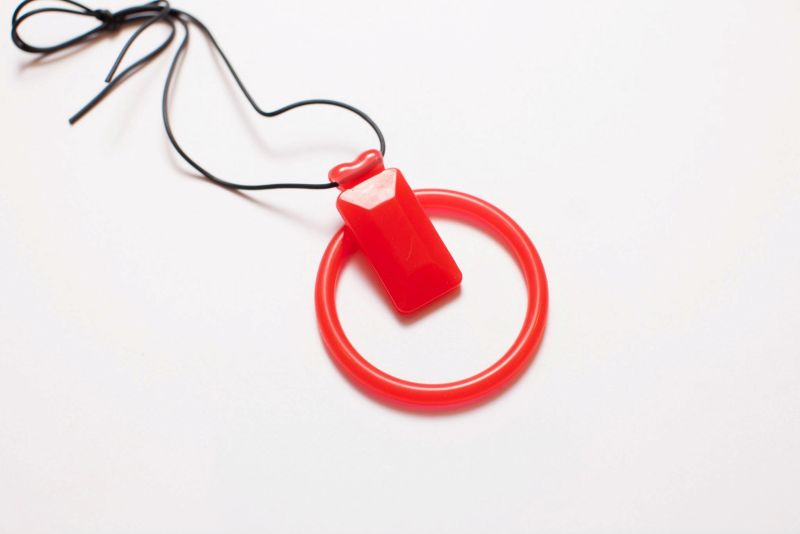
Anyone who has cared for a teething baby knows how quickly a favourite toy can end up on the floor. Traditional teethers can be dropped repeatedly, become dirty during outings, or need frequent washing.
The idea behind wearable teething jewellery was straightforward: combine the appearance of an accessory with an object intended for chewing.
At the time, this approach offered a different perspective on the everyday challenges of caring for a teething infant. However, convenience alone is not enough to determine whether a baby product is suitable for use.
A wearable design can introduce additional risks, particularly when a product contains beads, cords, necklaces, or tethering components.
Teething Jewellery Safety: What Parents Should Know Today
Safety advice is an essential part of any discussion about products intended for babies.
Health Canada warns against teething necklaces and jewellery because they can present choking and strangulation hazards. Beads or other components may detach, while cords and necklaces can become caught around a baby’s neck.
These risks cannot be eliminated simply by choosing a product made from silicone, selecting one advertised as non-toxic, or supervising its use.
For that reason, this article should be viewed as a historical look at a product from 2013, not as a recommendation to use wearable teething jewellery with an infant.
For current Canadian guidance, consult Health Canada’s information on baby bottles, pacifiers and teething necklaces.
Parents researching older baby products should also remember that marketing claims and product recommendations may change over time. A product that was promoted years ago should not automatically be considered appropriate for use today.
Safer Ways to Soothe a Teething Baby
Teething can be an uncomfortable stage for babies, but there are alternatives to wearable teething jewellery that parents can consider.
Offer a Suitable Teething Ring
Choose a teething ring appropriate for your baby’s age and follow the manufacturer’s instructions. Inspect it regularly for damage and replace it if it develops cracks or other signs of wear.
Try a Cool Washcloth
A clean, damp washcloth that has been chilled in the refrigerator may provide soothing relief when gently offered to a baby under close supervision. Remove it if it becomes damaged or presents a risk.
Gently Massage the Gums
With clean hands, gently rubbing your baby’s gums may help relieve discomfort. Use a gentle touch and stop if your baby appears uncomfortable.
Ask a Healthcare Professional for Advice
If your baby seems unusually distressed, has a fever, or develops symptoms that concern you, consult a healthcare professional rather than assuming teething is the cause.
Avoid freezing teething items unless the manufacturer specifically confirms that this is appropriate. Extremely hard, frozen objects may injure delicate gums.
Frequently Asked Questions About Dr. Bloom’s Chewable Jewels
What were Dr. Bloom’s Chewable Jewels?
Dr. Bloom’s Chewable Jewels were a wearable teething product described in this original 2013 review. They featured colourful beads and a jewellery-inspired design intended for babies during the teething stage.
Are Dr. Bloom’s Chewable Jewels still available?
Their current availability has not been verified. This article discusses the product historically and does not imply that it is currently sold or recommended.
Are wearable teething necklaces safe for babies?
Health Canada warns against teething necklaces and jewellery because of choking and strangulation risks. Parents should choose safer alternatives, such as age-appropriate teething rings, and follow current safety guidance.
What can parents use instead of teething jewellery?
Age-appropriate teething rings, clean chilled washcloths, and gentle gum massage are alternatives parents can consider. Always follow product instructions and supervise babies during use.
Final Thoughts
Teething can be a challenging stage for babies and parents alike. When my daughter began experiencing teething discomfort, I explored different products in the hope of finding something that would make our daily routine easier.
Dr. Bloom’s Chewable Jewels represented one approach to teething products available in 2013, combining a jewellery-inspired design with an intended teething function.
Looking back, this product also illustrates why it is important to revisit older product reviews as safety advice evolves. Although wearable teething jewellery may have appealed to parents because of its appearance and convenience, current Canadian guidance warns against teething necklaces and jewellery for babies.
For parents seeking relief for a teething infant, choosing appropriate teething products and following up-to-date safety advice should always come first.
Article updated October 20, 2026, to include current teething safety guidance.