Ontario West Nile Virus: 2026 Mosquito Risk Rising
6 min read
1061 words
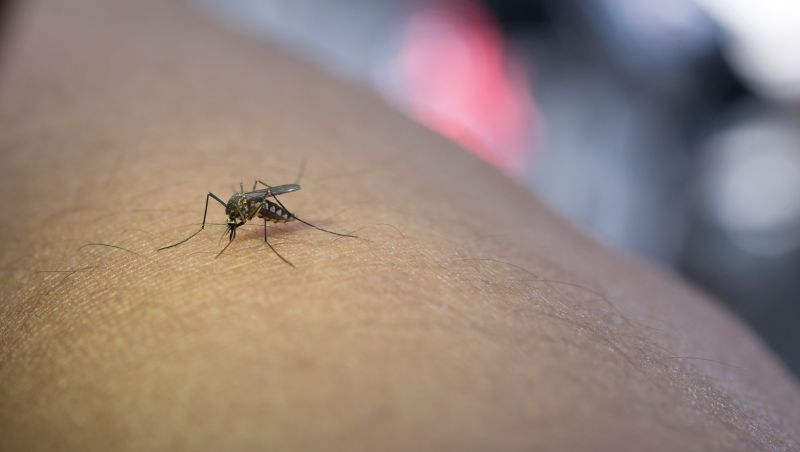
As summer heats up across Ontario, so does the activity of mosquitoes. With early 2026 data signaling an unusually active West Nile virus (WNV) season in North America, staying informed is your first line of defense. While public health officials in Ontario are actively monitoring the situation, the key message is clear: environmental conditions are favorable for virus transmission, making personal prevention more important than ever.
Understanding West Nile Virus: The Basics
West Nile virus is primarily spread to humans through the bite of an infected mosquito. Most people who are infected will not develop any symptoms. About 1 in 5 may develop a fever with other symptoms such as headache, body aches, joint pain, vomiting, or a rash. Less than 1% will develop a serious neurological illness like encephalitis or meningitis.
It’s important to remember that there is no specific treatment or human vaccine for West Nile virus. This makes prevention—avoiding mosquito bites—the most effective tool we have.
2026 Surveillance Update: A Continental Snapshot
Early data from 2026 provides a concerning picture across Canada and the United States, indicating widespread viral activity in mosquito populations.
Across Canada: To date in 2026, Canada has reported 295 human cases of West Nile virus. More importantly, the virus has been actively detected in the environment through surveillance, confirming its circulation:
- 415 positive mosquito pools
- 49 infected horses
- 318 positive wild birds
This level of activity confirms the virus is circulating widely, well ahead of the typical peak transmission period in August and September.
Historical Context: For perspective, Canada reported 190 human cases in 2024 and 98 cases in 2023—a season that included severe neurological infections and deaths. This underscores that while case numbers fluctuate, the potential for serious illness is a consistent annual reality.
North American Trend: Neighbouring jurisdictions are also experiencing an early surge. In the United States, 48 confirmed cases across 23 states have already been reported in early 2026, including 38 severe neurological cases and associated deaths. This continental trend suggests a highly active mosquito season for our region.
Ontario’s Risk Outlook for 2026
Ontario maintains a robust mosquito surveillance program from May through October, tracking viral activity in mosquito pools, human infections, and seasonal trends. While no major outbreak has been declared in Ontario yet this summer, surveillance tools show the virus is actively being monitored across the province as mosquito populations rise.
Several factors may contribute to a higher-risk season in 2026:
- Warmer Temperatures: Accelerate mosquito breeding and virus development within the mosquito.
- Increased Precipitation: Recent rains can create abundant standing water, ideal mosquito breeding sites.
- Extended Transmission Window: Climate shifts can lead to an earlier spring and later fall, prolonging the mosquito season.
Local residents in Eastern Ontario should be aware that increased mosquito activity has been noted in both rural and suburban communities. Cottage country and camping areas also present elevated risk due to proximity to natural habitats.
Who Is Most at Risk?
While anyone can be infected, the risk of severe illness is significantly higher for:
- People over 60 years of age.
- Individuals with certain medical conditions, such as cancer, diabetes, hypertension, kidney disease, or organ transplants.
- People who have undergone chemotherapy or are immunocompromised.
If you or a loved one fall into these categories, taking proactive prevention steps is crucial.
Your West Nile Virus Prevention Checklist
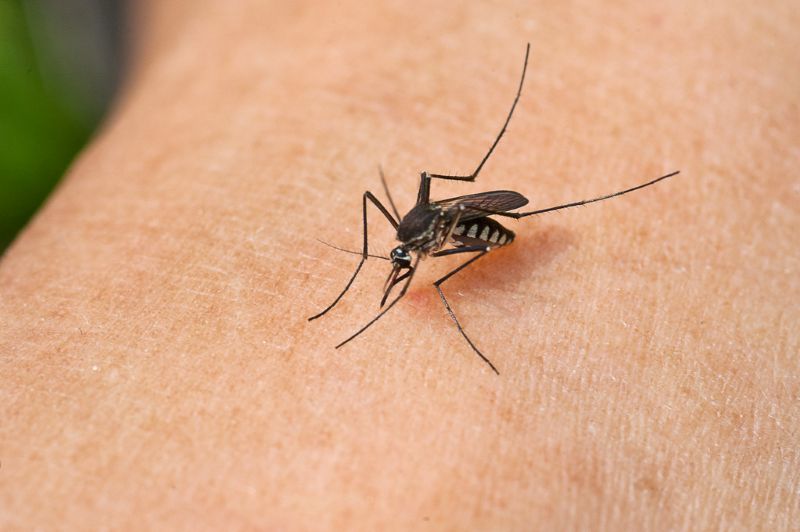
Protect yourself and your family with these proven steps:
- Use Insect Repellent: Apply a repellent containing DEET, Icaridin, or another approved ingredient to exposed skin. Always follow label instructions.
- Dress for Protection: Wear long-sleeved shirts, long pants, and socks during peak mosquito hours (dusk and dawn).
- Eliminate Breeding Sites: The single most effective way to reduce mosquitoes is to remove standing water. Empty, clean, or cover all containers that can hold water weekly, including bird baths, plant pots, old tires, and buckets.
- Maintain Your Property: Keep eaves troughs clear, ensure window and door screens are intact, and trim overgrown vegetation where mosquitoes rest.
- Be Mindful When Outdoors: Be extra cautious during dawn and dusk. If camping, use permethrin-treated clothing and bed nets.
Insect Repellent: What Actually Works Against Mosquitoes
Choosing the right insect repellent is one of the most effective ways to reduce your risk of mosquito bites and West Nile virus infection. Health authorities in Canada recommend using products that are approved and registered in Canada, and that contain proven active ingredients such as DEET or icaridin.
DEET-Based Repellents (Strongest Protection)
DEET remains one of the most widely studied and effective mosquito repellents available. Products containing 20–30% DEET provide long-lasting protection, making them ideal for camping, cottage use, and high mosquito activity areas such as dusk and dawn exposure.
Common examples include:
- Deep Woods-style sprays (25–30% DEET formulations)
- Family or sport-strength DEET sprays for everyday outdoor use
These are best suited for situations where mosquitoes are dense or exposure time is longer.
Local Public Health Guidance
Public health authorities in Ontario, including Public Health Ontario, closely track the virus through a provincial surveillance system. This network monitors mosquito pools, human cases, and environmental indicators to provide timely data and guidance.
If you develop symptoms, particularly severe headache, high fever, disorientation, or muscle weakness, seek medical attention immediately. Inform your doctor about your symptoms and recent activities, especially if you’ve been outdoors in affected areas.
Icaridin (Picaridin) – Effective & Low Odor Option
Icaridin (also known as picaridin) is a popular alternative to DEET. It provides similar protection against mosquitoes and is often preferred for its:
- Low odor
- Non-greasy feel
- Reduced impact on plastics and fabrics
It is a strong option for daily use, backyard activity, and travel, especially for people who want effective protection without the strong scent of DEET.
Pro Tip
For maximum effectiveness:
- Apply repellent before going outside
- Focus on ankles, wrists, neck, and exposed skin
- Reapply after swimming or heavy sweating
The Bottom Line: Prevention is Key
The 2026 data shows that West Nile virus is an active and present risk across North America. While the overall risk to any individual remains low, the increasing environmental presence of the virus means that standard prevention measures are more important than this season.
For a deeper breakdown of effective yard strategies, see: Backyard Mosquito Control: How to Reclaim Your Yard.
By taking simple, consistent steps to protect yourself and reduce mosquito breeding around your home, you can significantly lower your risk and enjoy the Ontario summer with greater peace of mind.
Stay informed. Stay protected. Consult the Public Health Ontario website for the latest local updates and surveillance data.