Can Exercise Become a More Accessible Mental Health Tool
4 min read
757 words
Mental health support comes in many forms, from counseling and mindfulness practices to medication and community support. In recent years, exercise has gained increasing recognition as a valuable tool for improving emotional well-being. Regular movement can help reduce stress, improve mood, and support overall mental resilience. However, despite its benefits, exercise is not always equally accessible to everyone. The question remains: can exercise become a more accessible mental health tool for people from all walks of life?
The Strong Link Between Movement and Mental Well-Being
Physical activity has long been associated with positive mental health outcomes. When people exercise, the body releases chemicals that can help improve mood and reduce feelings of stress. Movement also provides an opportunity to step away from daily pressures, focus on the present moment, and establish healthy routines.
Beyond the physical benefits, exercise can help individuals feel more capable and confident. Achieving small fitness goals, whether it’s taking a daily walk or completing a workout session, can contribute to a greater sense of accomplishment. These positive experiences often have a ripple effect, supporting emotional resilience and self-esteem.
Barriers That Limit Access
While exercise offers many mental health benefits, not everyone can access it in the same way. Financial limitations, physical disabilities, chronic health conditions, time constraints, and lack of safe spaces can all create obstacles. For some people, traditional fitness environments may feel intimidating or unwelcoming, making it harder to participate consistently.
Mental health challenges themselves can also create barriers. Depression, anxiety, and stress can reduce motivation, making it difficult to start or maintain an exercise routine. This creates a cycle where the people who could benefit most from movement may find it the hardest to engage with.
Recognizing these barriers is an important step toward making exercise a more practical and inclusive mental health resource.
Expanding the Definition of Exercise
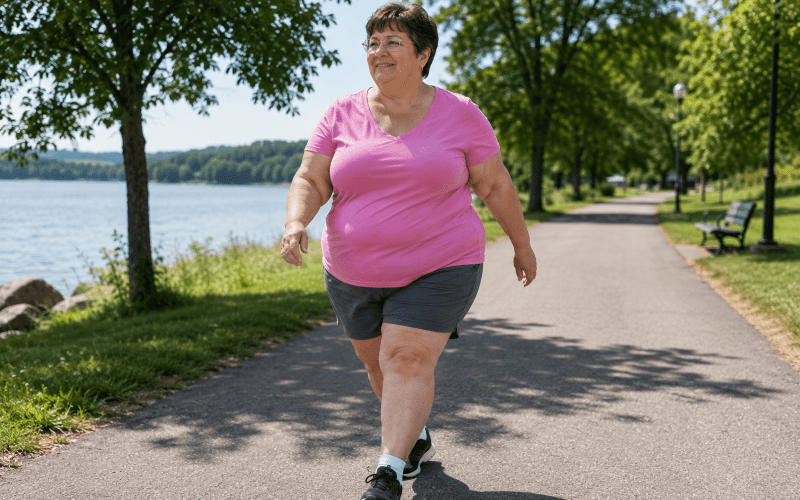
One way to increase accessibility is to rethink what exercise actually means. Many people associate exercise with intense gym sessions or structured fitness programs. In reality, movement comes in many forms.
Walking, stretching, gardening, dancing, swimming, and even household activities can contribute to both physical and mental well-being. When movement is viewed more broadly, it becomes easier for people to find activities that match their abilities, interests, and lifestyles.
This shift in perspective can remove unnecessary pressure and encourage more people to experience the mental health benefits of regular movement without feeling the need to meet unrealistic fitness standards.
The Role of Community and Support
Creating supportive environments can also make exercise more accessible. Community programs, local walking groups, adaptive fitness classes, and inclusive recreational activities help individuals feel welcomed and supported.
Social connection itself plays an important role in mental health. Exercising with others can reduce feelings of isolation while providing encouragement and accountability. For many people, the social aspect of movement becomes just as valuable as the physical activity itself.
Professional approaches that combine physical and emotional wellness are also helping bridge this gap. Services such as Brain-Body Therapy recognize the connection between movement, emotional regulation, and overall well-being, helping individuals explore more integrated approaches to mental health support.
The mental health app’s CEO Rio Dearmond-Wilson explained, “Exercise is one of the few interventions that simultaneously benefits the heart, muscles, and brain, increasing key neurotransmitters linked to mood and resilience while reminding us that mental and physical health are deeply connected.”
Technology as a Tool for Accessibility
Technology has made exercise more available than ever before. Free workout videos, fitness apps, virtual classes, and wearable devices allow people to engage with movement from the comfort of their homes. This can be especially beneficial for those who have mobility limitations, live in remote areas, or feel uncomfortable in traditional fitness settings.
Digital resources also provide flexibility, allowing individuals to participate at their own pace and according to their own schedules. While technology cannot solve every accessibility challenge, it offers additional pathways for people to incorporate movement into their lives.
Looking Toward a More Inclusive Future
Exercise has tremendous potential as a mental health tool, but its effectiveness depends on accessibility. By removing barriers, expanding the definition of movement, creating supportive communities, and embracing inclusive approaches, more people can benefit from the emotional advantages that physical activity provides.
Rather than viewing exercise as a one-size-fits-all solution, society can move toward a more flexible and personalized understanding of movement. When exercise becomes something that adapts to individual needs rather than demanding conformity, it can become a genuinely accessible resource that supports mental well-being for a much wider range of people.