Water Safety Tips Every Parent Should Know
8 min read
1523 words
Before heading to the beach, pool, lake, or cottage this summer, remember a few important water safety basics: non-swimmers should always wear a properly fitted life jacket, inflatable toys should never be relied upon as safety devices, children and teens should never swim alone, and supervision should be active and close enough to intervene immediately if something goes wrong. Drowning can happen quickly, quietly, and often without the dramatic signs people expect.
As a parent, I will be the first to admit that watching your teenager grow up is a whirlwind of milestones. From managing changing friend groups to navigating new social circles, the transitions come incredibly fast. But recently, I had a conversation with my daughter that felt more sobering and more important than any other.
It started when my teenage daughter was taken to the beach without my knowledge or permission.
Before this happened, we had already had many conversations about water safety. We had talked about being safe around water, not entering the water without appropriate supervision, knowing her limitations, and understanding that because she cannot swim, extra precautions are necessary. These weren’t rules she had never heard before. They were safety discussions we had revisited many times.
I had also specifically told my daughter’s friend’s foster mother the week before that there were to be no beach outings. She was aware that my daughter could not swim, and I believed those concerns had been clearly communicated and understood.
When I arrived, my heart stopped.
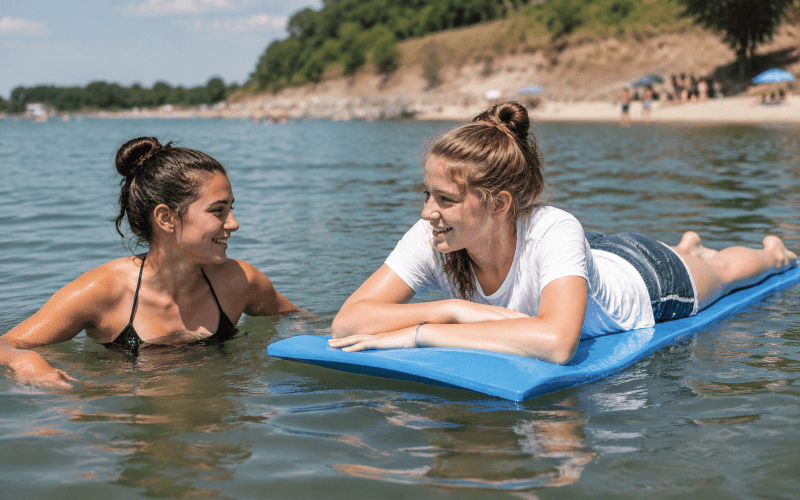
She was in the water on an inflatable float, wearing heavy jean shorts and a T-shirt, while the supervising adults were relaxing on the grass a significant distance away. My daughter cannot swim, and she was not wearing a life jacket.
What frightened me most wasn’t simply that she was in the water. It was that the supervising adults were sitting on the shore instead of being close enough to help if something went wrong.
If a child or teen cannot swim, the supervising adult should be in the water and remain within arm’s reach at all times. They shouldn’t be watching from a distance.
That day served as a chilling reminder that even as our children grow into their teenage years, our role as their protectors never expires. Whether they are toddlers or teens, water safety remains a critical conversation.
These water safety tips are just as important for teenagers as they are for younger children. Independence is something we gradually give our children as they mature, but safety should never be assumed simply because they are older. A teenager who cannot swim is still a non-swimmer, and the same precautions apply.
This experience also reminded me that even when we’ve had the conversations, taught the lessons, and set clear expectations, teenagers can still make poor decisions. That’s part of growing up. Our job as parents is to keep teaching, reinforcing important safety messages, and helping them learn from their mistakes.
At the same time, responsibility is not all-or-nothing. Teenagers can make poor choices, and adults can still have a duty to intervene when they recognize a dangerous situation. Water safety depends on layers of protection, not a single person’s judgment.
Water doesn’t care how old someone is. It doesn’t care whether they’re five, fifteen, or fifty. What matters is recognizing risk, respecting limitations, and ensuring appropriate safety measures are in place.
Sometimes all it takes is a few seconds for a fun day at the beach to become a tragedy. That’s why water safety is everyone’s responsibility.
While every family’s circumstances are different, the risks associated with water remain the same. That’s why understanding the facts about drowning prevention is so important.
Water Safety for Children and Teens in Canada
Water safety for children and water safety for teens should be a priority for every family, especially during the summer months. We often assume that as children get older, they automatically become safer around water. However, the statistics tell a different story. In Canada, an average of over 450 people die from drowning each year. Drowning remains one of the leading causes of preventable, unintentional injury deaths among Canadian children. One of the most common contributing factors in these tragedies is the lack of direct, attentive adult supervision. Understanding the risks is one of the most effective forms of drowning prevention. Many incidents can be prevented through proper supervision, swimming lessons, and lifejackets.
Common Water Safety Myths Parents Should Know
1. “It’s Only Waist Deep”
Many drowning incidents happen in water that appears calm or harmlessly shallow. Open water safety is especially important because lakes, rivers, and beaches contain hidden dangers that don’t exist in most swimming pools. Conditions can change quickly, and even experienced swimmers can find themselves in trouble.
- Sudden drop-offs: The bottom can change from ankle-deep to over your head in just a few steps, making it easy to lose your footing.
- Hidden hazards: Soft mud, slippery rocks, shifting sand, underwater debris, sudden currents, and submerged objects can trap or pull swimmers off balance.
- The “Arm’s Reach” Rule: For non-swimmers, being on the shore is not enough. If your child or teen cannot swim, a responsible adult should be in the water and remain within arm’s reach at all times. Seconds matter in an emergency.
- Cold water shock: Even on warm summer days, lakes and rivers can be surprisingly cold. Sudden immersion can trigger an involuntary gasp reflex, make breathing difficult, reduce muscle control, and quickly lead to exhaustion, making it difficult to stay afloat or swim to safety.
2. The Danger of “Floaties” and Street Clothes
There is a dangerous misconception that if a child is on a pool toy or float, they are safe. Floaties are toys, not life-saving devices. They should never be used as a substitute for a properly fitted lifejacket or active adult supervision. Inflatable toys can flip over unexpectedly, drift into deeper water, or deflate without warning. Children and teens often gain a false sense of security when using them, making close supervision even more important.
Furthermore, clothing matters. My daughter was wearing jean shorts and a T-shirt. Wet clothing can become heavy and make it more difficult to stay afloat, move efficiently, or swim to safety. Even strong swimmers struggle in soaked street clothes. For a non-swimmer, it can turn a fun beach day into a life-threatening situation in seconds.
3. The Lifejacket Non-Negotiable
Lifejacket safety is one of the simplest ways to reduce the risk of drowning. An approved, properly fitted lifejacket (PFD) is essential for children, teens, and adults who are not confident swimmers. Unlike pool floaties, which can pop, deflate, or drift away, a lifejacket is designed to keep the wearer’s head above water and maintain a safe, face-up position. For non-swimmers, a properly fitted lifejacket should be considered essential whenever they are in or around open water.
Lifejackets are especially important in lakes, rivers, and other open water, where changing conditions can quickly become dangerous.
Empowering Your Teen
Teens often overestimate their abilities or underestimate how quickly a situation can turn dangerous. Water safety for teens also means helping them understand peer pressure. Wearing a lifejacket or admitting they aren’t confident swimmers should never be seen as embarrassing.
As parents, we need to shift the narrative from “rules” to “preparedness.”
- Teach the warning signs: Talk to them about currents, water depth, and the physical exhaustion that comes from fighting water in heavy clothing.
- Set the standard: Make it clear that swimming safety is a requirement, not a suggestion. If they are going to the water, they need to be with someone who understands how to supervise them or they simply don’t go.
- Encourage lessons: It is never too late to learn to swim. Sign up for local community pool lessons; it’s a life skill that provides freedom and peace of mind for their entire adult life.
Whether your child is a strong swimmer, a beginner, or a non-swimmer, these simple precautions can significantly reduce the risk of a water-related emergency.
Water Safety Tips Every Parent Should Remember
- Never assume another adult is watching your child.
- Choose beaches with lifeguards whenever possible.
- Wear a properly fitted lifejacket in open water if you are not a confident swimmer.
- Avoid swimming alone.
- Leave the water immediately if thunder or lightning is nearby.
- Learn CPR so you are prepared to respond in an emergency.
The Bottom Line
Water safety isn’t about being overprotective. It’s about giving our children the best chance to come home safely. Whether your child is five or fifteen, if they cannot swim, they need active supervision, a properly fitted lifejacket, and an adult close enough to help within seconds. A single safety decision today could prevent a tragedy tomorrow
Water safety begins long before anyone enters the water. It begins with conversations, preparation, supervision, and a commitment to never assume someone else is watching.
Looking for more water safety information or swimming lessons in your community? Visit the Lifesaving Society of Canada for expert water safety resources, drowning prevention tips, and information on local swim programs for children, teens, and adults.
Additional Reading: Essential Pool Safety Advice for Kids and Parents