
Intensive Parenting: Signs and Healthier Solutions
7 min read
1268 words
In today’s fast paced world, the pressure to provide the “perfect” childhood is higher than ever. Many parents find themselves caught in the cycle of intensive parenting, a child centered approach that involves significant investments of time, energy, and financial resources. While this approach is often rooted in love, it can sometimes cross into over-parenting, leaving both parents and children feeling overwhelmed. Although being an engaged parent is essential for child development, there is a point where excessive involvement can create unnecessary stress. Understanding where healthy support ends and over involvement begins can help families embrace healthy parenting practices that encourage confidence, resilience, and independence.
What Is Intensive Parenting?
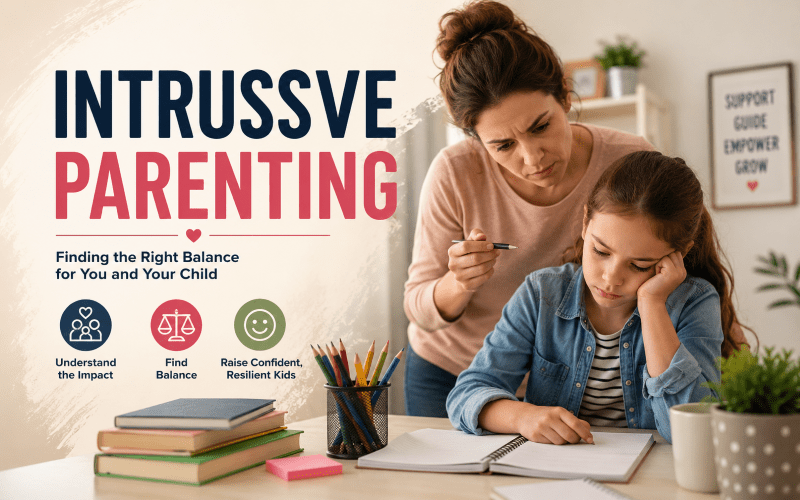
At its core, intensive parenting is a child centered approach that views parenting as a high stakes, all consuming responsibility. While an involved parent provides guidance and emotional support, an intensive parent often becomes deeply invested in every aspect of their child’s life, treating each success or setback as a reflection of their own parenting.
Many experts consider overparenting an umbrella term that includes behaviors commonly associated with helicopter parenting, where parents closely monitor and intervene in their children’s daily lives, often preventing them from learning through experience.
Common Characteristics
Constant Supervision: Monitoring a child’s every move, whether in person or via technology.
Over scheduling: Filling every afternoon and weekend with structured extracurricular activities.
Fixing Every Problem: Stepping in to resolve social conflicts, academic hurdles, or chores before the child has a chance to try.
High Expectations: Maintaining rigorous standards for grades, sports performance, and behavior.
Extreme Responsibility: Carrying the emotional burden of the child’s happiness and future success as a personal duty.
Why Has Intensive Parenting Become So Common?
The shift toward intensive mothering and fathering did not happen in a vacuum. Several modern factors have contributed to this rise.
Social Media Pressure
Platforms like Instagram and Pinterest display “picture perfect” families, creating a comparison trap. Seeing curated highlight reels of other families’ achievements can make parents feel inadequate if their own lives are not similarly polished.
Fear of Falling Behind
We live in an era of hyper competition. Parents often worry that if their child is not enrolled in elite tutoring, travel sports, or specialized camps, they will lose their competitive edge for college and future careers.
Safety Concerns
The 24 hour news cycle and the rise of digital risks have heightened parental anxiety. Many parents feel they must hover to protect their children from “stranger danger” or the complexities of the internet.
Changing Parenting Expectations
Compared to previous generations, where “free range” childhoods were the norm, modern culture places a much higher premium on intensive, hands on supervision as the benchmark for being a “good” parent.
Signs You May Be Practicing Intensive Parenting
It is easy to slip into these habits without realizing it. Ask yourself the following:
- Do you feel a deep sense of guilt when you take time for your own hobbies or relaxation?
- Do you micromanage your child’s daily schedule or homework routine?
- Do you frequently contact your child’s teachers or coaches to advocate for them in minor situations?
- Do your child’s setbacks trigger feelings of personal shame or failure for you?
- Do you prioritize your child’s needs so consistently that your own physical and mental health are chronically neglected?
How Intensive Parenting Affects Parents
Taking on the role of a constant manager leads to significant parental burnout.
Parent Burnout: The physical and emotional exhaustion of maintaining high intensity focus leaves little room for joy.
Parenting Anxiety: Constant worry about the future leads to decision fatigue and a state of perpetual “fight or flight.”
Relationship Stress: When parenting dominates every conversation and hour, your partnership or friendships may suffer.
Financial Strain: The costs of constant lessons, camps, and equipment can place immense pressure on family finances.
How Intensive Parenting Can Affect Children
While the intentions behind intensive parenting are often rooted in love and a desire to protect, excessive involvement can have unintended consequences for a child’s emotional and social development.
Reduced Independence: Children may struggle to make decisions or solve problems on their own because they become accustomed to adults directing their every move. Without opportunities to practice independence, they may lack confidence in their own abilities as they grow older.
Fear of Failure: Children develop resilience by facing challenges and working through disappointment. When parents step in to prevent every setback, children miss valuable opportunities to build problem solving skills, confidence, and emotional resilience. Over time, they may become reluctant to try new things because they fear making mistakes rather than seeing them as a natural part of learning.
Increased Anxiety: Constant supervision and high expectations can make children feel as though they are always being evaluated. This pressure may lead them to believe that their worth depends on their achievements, increasing stress and anxiety while reducing their willingness to take healthy risks.
Dependence on Approval: Children who receive constant guidance and praise may begin seeking reassurance before making even simple decisions. Instead of developing their own interests, values, and opinions, they may focus on doing only what earns parental approval, making it more difficult to build self confidence and a strong sense of identity.
Is Intensive Parenting Ever Helpful?
Not all aspects of intensive parenting are harmful. Providing emotional support, encouraging learning, and ensuring a child’s safety are all signs of healthy parenting. The challenge begins when support turns into control. Parents can remain involved while still allowing children to make age appropriate decisions and learn from their experiences.
How to Find a Healthier Balance
If you are wondering how to quit intensive parenting, start by making small shifts toward autonomy.
Encourage Independence: Assign age appropriate chores and let them manage their own school bags or homework routines.
Allow Natural Consequences: If your child forgets their lunch or fails a quiz, let them navigate the frustration. It is a powerful life lesson.
Focus on Effort, Not Perfection: Celebrate their hard work and grit rather than the final grade or the trophy.
Protect Free Time: Allow your child the boredom required for creative play. Not every hour needs to be “productive.”
Prioritize Yourself: A happy, well rested parent is more effective than an exhausted, micromanaging one. Reclaiming your own interests sends a healthy message to your child.
When to Seek Additional Support
If you feel trapped by anxiety, or if your family life is becoming one long conflict, do not hesitate to seek help. A therapist, parenting coach, or counselor can provide tools to manage parental burnout and help you build a healthier dynamic.
Frequently Asked Questions
Is intensive parenting the same as helicopter parenting? They are closely related. While intensive parenting focuses on the effort and resources poured into a child, helicopter parenting focuses on constant hovering and interference. Both often overlap.
Can intensive parenting cause anxiety in children? Yes. When children feel that their success is the only thing that validates their parents’ love, it can lead to chronic stress and performance anxiety.
How can I stop being an intensive parent? Start by identifying one or two areas where you “fix” things for your child and step back. Let them struggle with a puzzle or manage a conflict with a sibling on their own.
Conclusion
Children do not need perfect parents. They need parents who are loving, supportive, and willing to let them grow through both successes and setbacks. By giving children room to become independent, you are helping them build the confidence and resilience they will carry throughout life.
Remember: You do not have to be perfect to be a great parent.