Hiking Safety Tips: A Complete Safety Guide
6 min read
1200 words
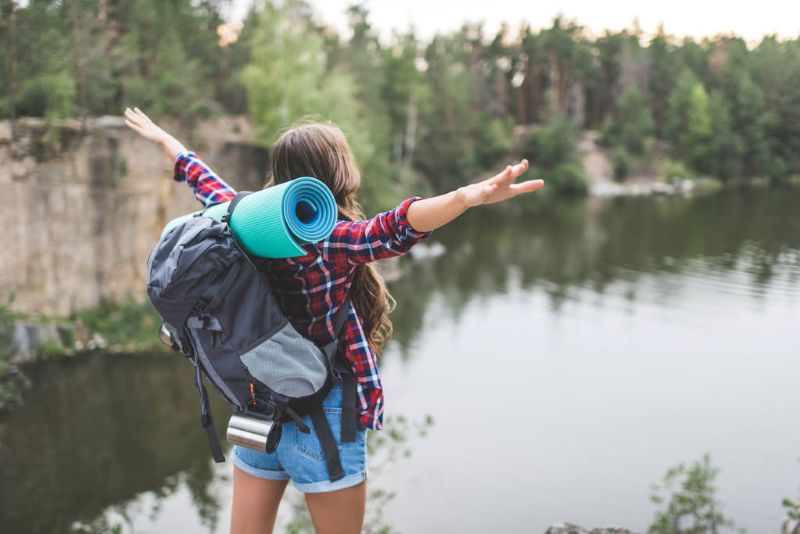
Hiking is one of the most rewarding ways to connect with nature, improve cardiovascular health, and clear the mind. Whether you are trekking through local state parks or scaling high-altitude mountain passes, the wilderness offers a powerful sense of freedom. However, the outdoors is also unpredictable. From sudden weather shifts to rugged terrain, even experienced hikers face risks. These hiking safety tips will help you stay prepared, minimize danger, and enjoy every step of your journey.
Why Hiking Safety Matters
The beauty of the trail can sometimes mask its potential hazards. Understanding these risks is the first step toward a successful outing:
- Common Injuries: Trips, falls, and ankle sprains are the most frequent trail ailments.
- Weather Hazards: Mountain climates can shift from sunny to stormy in minutes, potentially leading to hypothermia or heat stroke.
- Wildlife Encounters: Knowing how to coexist with local fauna is crucial for both your safety and theirs.
- Navigation Errors: Getting off-trail is a leading cause of search-and-rescue operations.
This is why following basic hiking safety tips is essential before every trip.
Plan Your Hike Before You Go
Safety starts before you leave your driveway.
- Match your fitness level: Don’t overreach on your first trip; start with moderate trails.
- Research: Look up trail length, elevation gain, and estimated time.
- Resources: Always download offline maps (like AllTrails or Gaia GPS) and read recent user reports to check for trail closures or debris.
Check the Weather Forecast
Weather is notoriously fickle. Always check a reliable forecast for the specific elevation of your trail, not just the nearest town. Be aware that rain, fog, or extreme heat can change your plans. If the forecast looks dangerous, it is better to reschedule than to risk an emergency.
If thunder is heard, immediately leave exposed ridges, peaks, and open areas. Seek lower ground and avoid isolated trees until the storm has passed.
Protect Yourself From the Sun
Even on cloudy days, UV rays can be intense at higher elevations. Reapply sunscreen every two hours and protect your skin with a wide-brimmed hat.
Tell Someone Your Hiking Plans
Never head out without a “trip plan.” Share your specific destination, the trailhead you are using, your expected return time, and your vehicle description with a trusted friend or family member.
Know Basic First Aid
Carry a compact kit and educate yourself on the basics: how to wrap a sprained ankle, clean a wound, and recognize the early signs of heat exhaustion or hypothermia (shivering, confusion, and lethargy).
Do Not Rely Only on Your Phone
Cell service is often unavailable in remote areas. Download offline maps before your trip and carry a paper map and compass as backups. Portable battery packs can keep your phone charged, but electronic devices can fail due to weather, battery drain, or accidental damage. Learning basic navigation skills can prevent a minor mistake from becoming a serious emergency.
Wear the Right Clothing
The golden rule of hiking apparel is: Avoid cotton. Cotton holds moisture, which can lead to hypothermia. Instead, choose moisture-wicking synthetic or merino wool layers. Always pack a waterproof outer shell, and ensure you have a hat and sunglasses to protect against elements.
Protect Yourself From Insects
Ticks, mosquitoes, and black flies can make a hike uncomfortable and may transmit diseases. Wear long sleeves and pants when appropriate, use insect repellent, and check yourself, children, and pets for ticks after every hike. Removing a tick promptly can reduce the risk of illness.
Choose Proper Hiking Footwear
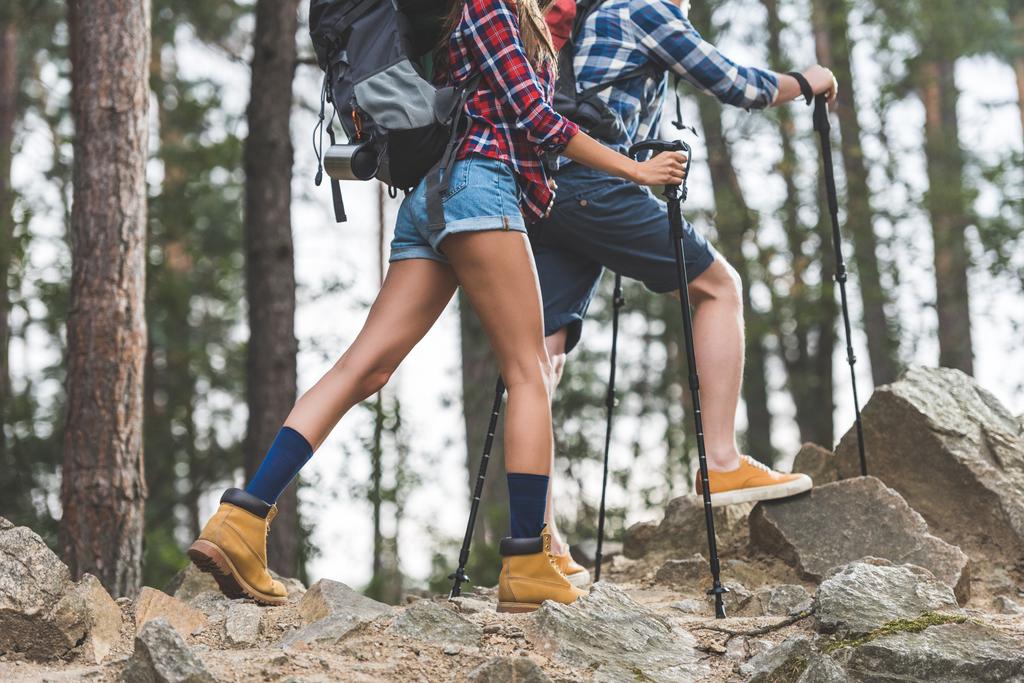
Your feet are your most important tool. Whether you prefer sturdy hiking boots for ankle support or lightweight trail runners for agility, ensure they have aggressive traction. Break in new footwear on short walks before attempting a long hike to prevent painful blisters. Trekking poles are also excellent for added stability on steep descents.
Bring Enough Water & Food
Dehydration can lead to fatigue and poor decision-making, which increases risk on the trail. Aim for at least half a liter of water per hour during moderate hiking.
Drink water regularly rather than waiting until you feel thirsty. On hot days or during strenuous hikes, consider bringing electrolyte tablets or sports drinks to help replace minerals lost through sweat. If your route includes streams or lakes, carry a water filter or purification tablets so you can safely refill your bottle when needed.
Pack the Hiking Essentials: The Ten Essentials
No matter how short the hike, always carry “The Ten Essentials” to handle emergencies:
- Navigation: Map, compass, or GPS device.
- Headlamp/Flashlight: With extra batteries.
- First Aid Kit: Including blister treatment and bandages.
- Multi-tool: For gear repairs.
- Fire Starter: Waterproof matches or a lighter.
- Shelter: A lightweight emergency bivy or space blanket.
- Extra Food: Beyond your planned meals.
- Extra Water: Plus a way to purify more.
- Extra Clothing: For unexpected cold snaps.
- Sun Protection: Sunscreen, hat, and shades.
Stay on Marked Trails
Shortcutting switchbacks is a major cause of erosion and the quickest way to get lost. Stay on designated paths to protect the environment and yourself.
Be Aware of Wildlife
Maintain a respectful distance from all wildlife. Never feed animals, as it alters their natural behavior. Research the specific wildlife in your area—if you are in bear country, carry bear spray and know how to use it.
Practice Leave No Trace Principles
To keep trails open and beautiful, follow the Leave No Trace principles. Pack out all trash, respect trail quiet, and leave natural artifacts (like rocks or flowers) exactly where you found them.
Essential Considerations: Kids, Dogs, and Solitude
- Hiking with Children: Keep distances manageable, bring extra snacks, and turn safety into a game. Take frequent breaks and teach them trail etiquette early.
- Hiking with Dogs: Always check if dogs are allowed, keep them on a leash to protect local wildlife, and ensure they stay hydrated.
- Solo Hiking: If you head out alone, carry a personal locator beacon (PLB) or satellite messenger. Stick to well-traveled trails and avoid moving after dark.
What to Do If You Get Lost
If you realize you are off-trail:
- STOP: Sit down, stay calm, and assess your situation.
- THINK: Refer to your map.
- OBSERVE: Look for landmarks or trail markers.
- PLAN: If you cannot find the path, stay put! It is much easier for rescuers to find a stationary person than a moving target. Use a whistle to signal for help.
Frequently Asked Questions
- What should every beginner bring? At minimum: water, a map, a first aid kit, and a light source.
- Is it safe to hike alone? Yes, provided you carry communication devices, tell someone your route, and stick to popular trails.
- What if I see a bear? Do not run. Back away slowly while keeping your eyes on the bear, and do not climb a tree.
Conclusion
Hiking is one of the most rewarding lifestyle choices you can make, but it carries a responsibility. By preparing before you leave home, respecting nature, and knowing your own physical limits, you ensure that every hike is a safe one. Pack your gear, check the weather, and head out with confidence—your next great adventure is waiting!
Use these hiking safety tips on every hike to stay safe, confident, and prepared for whatever the trail brings.