
Ontario Fire Pit Regulations: Your Backyard Safety Guide
5 min read
949 words
The crackling allure of a backyard fire pit is undeniable. It is the centerpiece of countless Canadian summer evenings, offering warmth, light, and a gathering spot for friends and family. But before you light that match, understanding backyard fire pit safety and the ever evolving regulations is paramount. As we move through 2026, it is clear that Ontario Fire Pit Regulations are becoming more nuanced, driven by environmental concerns, population density, and wildfire prevention efforts. This comprehensive guide will help you understand the essential rules and best practices for safe and legal fire pit use across Ontario, ensuring your cozy evenings do not turn into costly regrets.
Why Backyard Fire Pit Safety is More Important Than Ever
While a fire pit brings joy, it also carries inherent risks. In 2026, fire services across Canada have reported a heightened focus on preventing residential fires from spreading into urban wildland interfaces. Uncontrolled fires can lead to:
- Injury or Death: Burns remain a serious risk, particularly for children and pets who may not understand the radius of heat.
- Property Damage: Floating sparks can easily ignite dry grass, wooden fences, composite decks, and even neighboring homes.
- Environmental Impact: Escaping embers can spark massive wildfires, a major concern in Ontario’s heavily forested regions.
- Legal Consequences: Under new 2026 regulations, administrative penalties and massive fines can result from unsafe or illegal burning.
The Ontario Landscape: Provincial vs. Local Rules
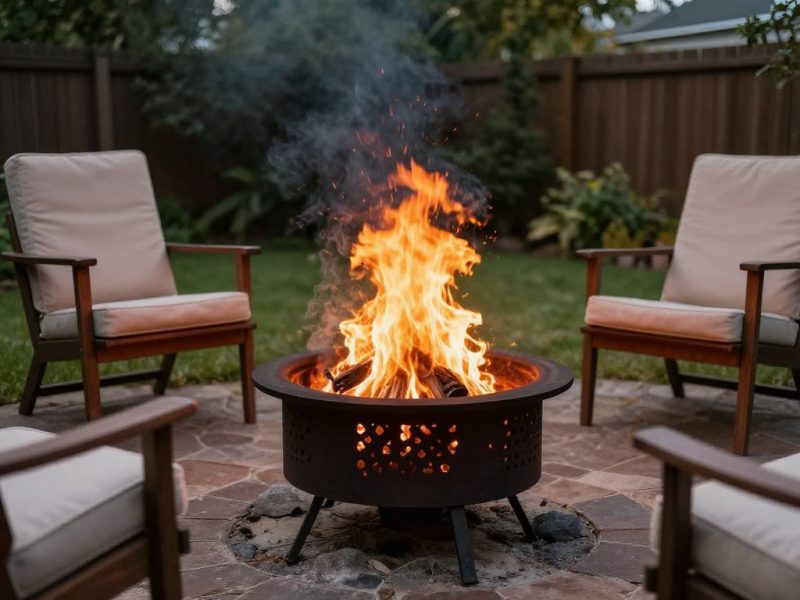
One of the most crucial aspects of backyard fire pit safety Ontario homeowners must recognize is that there are two distinct layers of rules. The Forest Fires Prevention Act sets the baseline for the province, especially within the Fire Region which covers much of Central and Northern Ontario. However, your local municipality often has even stricter bylaws that you must follow.
When researching Ontario Fire Pit Regulations, remember that provincial rules (O. Reg. 43/26) apply specifically from April 1 to October 31. Always check the Ontario Fire Info Map before lighting up to see if you are in a Restricted Fire Zone Ontario 2026. In these zones, all open fires including backyard pits are strictly banned due to extreme fire danger.
Essential Provincial Rules for Safe Burning in 2026
1. Timing: The Two Hour Rule
According to Ontario’s Wildland Fire Management regulations, if you are burning wood or brush, the fire must be started no sooner than two hours before sunset and must be extinguished no later than two hours after sunrise. This rule ensures fires occur when humidity is higher and winds are typically calmer.
2. Location and Clearance
The province requires that any outdoor fire be kept at a safe distance from flammable materials. While many Ontario open air burning bylaws specify a 3 meter distance, the provincial standard for piled wood burning requires at least two meters of clearance from any flammable material. Additionally, the area directly above the fire must be free of overhanging vegetation for at least three meters.
3. Fire Pit Dimensions
For those enjoying a recreational fire, current Ontario Fire Pit Regulations specify that the material being burned must be in a single pile that is less than two meters in diameter and less than two meters high. Keeping the fire small makes it easier to control and extinguish quickly if weather conditions change.
Proper Supervision and Permitted Materials
A responsible person must tend the fire from the moment it is ignited until it is completely extinguished. You are legally required to have adequate tools such as a shovel or a sufficient water source on site to contain the fire. In 2026, the definition of extinguished has been clarified: it means the ashes are cold to the touch.
Furthermore, Ontario Fire Pit Regulations are strict about what goes into the flames. Under the Environmental Protection Act, you should only burn clean, dry wood or wood by products. Burning noxious materials like plastic, rubber, treated or painted wood, or household garbage is strictly prohibited across Ontario, as it releases toxic chemicals into the air and disturbs neighbors.
New 2026 Penalties: O. Reg. 44/26
As of 2026, Ontario has implemented O. Reg. 44/26 (Administrative Penalties). This allows conservation and fire officers to issue significant monetary penalties for safety contraventions even before a wildfire occurs. If a fire does escape your backyard pit, you can be held liable for the full cost of the emergency response, which can reach tens of thousands of dollars in 2026 currency. Following Ontario Fire Pit Regulations is not just a matter of safety; it is a matter of financial protection.
Proactive Safety Tips for Your Backyard
- Check the Wind: If smoke is blowing directly into a neighbor’s window or toward a dry cedar hedge, it is too windy to burn safely.
- The Water Source: Keep a pressurized garden hose or at least two large buckets of water within arm’s reach of the pit.
- Propane Alternatives: CSA approved gas or propane fire tables are often exempt from many wood burning restrictions and are a safer choice during dry spells.
- Ash Care: Stir the ashes while dousing them with water. Embers can hide under a layer of gray ash and stay dangerously hot for over 24 hours.
Your Responsibility, Your Enjoyment
A backyard fire pit is a wonderful way to enjoy the Ontario outdoors, but it comes with the heavy responsibility of protecting our communities and natural resources. By following the Forest Fires Prevention Act and staying aware of the 2026 updates, you can keep your summer nights cozy and safe. Always remember: if you are in doubt about the current fire risk or local rules, do not light it.
By staying informed on the latest Ontario Fire Pit Regulations, you ensure that the only thing lingering after your fire is the memory of a great night under the stars. Enjoy your fire pit responsibly!