The Permanent Smile Reset: Is the 24-Hour Trend Real?
4 min read
617 words
1. The “24-Hour” Claim: What Does It Really Mean for Your Permanent Smile Reset?
Clinics often market “permanent teeth in 24 hours,” yet savvy patients should understand the nuance. Specifically, when you undergo an immediate-load procedure, you usually receive a provisional (temporary) prosthesis.
While this prosthesis feels fixed and functional, your jawbone still needs several months for osseointegration. During this phase, the bone fuses permanently with the titanium or zirconia posts. In fact, surgeons only place the final, high-strength restoration after this healing ends. While the aesthetic change happens quickly, biological integration takes time.
2. Zirconia vs. Acrylic: Choosing Materials for a Permanent Smile Reset
Choosing the right material for your bridge remains one of the most frequent debates in Zirconia smile resets.
Acrylic/PMMA (The “All-on-X” Standard): Clinics often use these for temporary bridges. While they are lightweight and easy to repair, they stain easily and fracture more often under heavy bite forces.
Zirconia (The Gold Standard): If you want long-term durability, Zirconia leads the industry. It is dense, resists chipping, and mimics natural teeth. Furthermore, because it is non-porous, it protects your gums from bacteria. For a permanent smile reset, Zirconia offers the best return on your investment.
3. The Future is Smart: Implants with Embedded Sensors
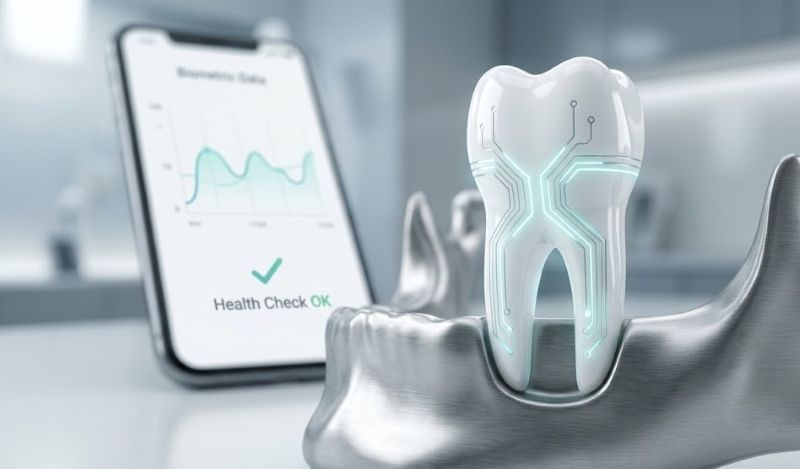
The integration of biometric sensors marks the most exciting advancement for 2026. Today, dental implants don’t just replace teeth—they actively monitor your bone health.
These embedded sensors track implant stress and monitor gum tissue health. Consequently, they alert your dentist to potential issues long before they become painful problems. This “smart” technology removes the guesswork from dental implant recovery by giving your surgeon real-time data.
4. Is the Permanent Smile Reset Worth the Investment?
If you are considering a permanent smile reset to fix failing teeth or chronic pain, a full-arch restoration can be life-changing. However, you cannot simply “set it and forget it.” Success depends on three pillars:
- Surgeon Expertise: Look for board-certified specialists who prioritize bone health over speed.
- Maintenance: “Permanent” teeth still require professional cleanings. You must commit to regular check-ups to protect your investment.
- Realistic Expectations: Every surgery requires a recovery period. Your lifestyle—including diet and hygiene—ultimately dictates how your results look a decade from now.
Navigating Your Dental Journey in 2026
Groundbreaking technology now backs the “Permanent Smile” hype. With Zirconia materials and new sensor diagnostics, these procedures offer higher predictability than ever before.
Are you ready to take the next step? If you are ready for a permanent smile reset, schedule a consultation today. Ask about success rates, specific materials, and the post-operative healing phase.
Your smile is a significant investment. Make sure you choose a path that prioritizes your wellness, not just the trend.
A permanent smile reset is just one piece of the puzzle when it comes to longevity. To see how other women are prioritizing their health as they age, check out this guide on holistic wellness for the modern woman.”
Disclaimer: This blog post is for informational purposes only and does not constitute medical advice. Consult a licensed professional for your specific oral health needs.