Is COVID Really Over? The Truth About Long COVID Symptoms
8 min read
1427 words
Long COVID is a condition where symptoms continue for weeks or months after a COVID-19 infection. These symptoms vary for everyone, but frequently include fatigue, fever, brain fog, and shortness of breath. Even mild cases of COVID can lead to long-term effects, which is why COVID is not truly “over.” While the global emergency phase has ended, the virus continues to impact millions of lives through lingering health challenges.
Introduction
In 2026, it is easy to think COVID 19 is behind us. Many people have returned to normal routines. Public restrictions have mostly disappeared. You might even think, I thought COVID was over. But the reality is more complex. Cases still happen. The virus remains through long COVID.
Long COVID symptoms can vary. Some people have lasting fatigue and brain fog. Others deal with fever or shortness of breath. These symptoms can disrupt daily life. Understanding them is important in a post COVID world.
As we move forward, awareness still matters. The virus has not gone away. For many people, recovery takes time. This article looks at whether COVID is truly over. It explains post COVID syndrome. It also shares ways to manage ongoing symptoms.
Is COVID-19 Really Over?
To answer this question accurately, we must look at the shift from a pandemic to an endemic phase. While the World Health Organization declared an end to the global health emergency in 2023, the virus remains active in our communities.
The Shift from Pandemic to Endemic
COVID-19 now behaves more like the flu, circulating seasonally and varying in intensity. However, it is more likely to cause long-term complications. Fewer restrictions do not mean the virus is gone; they reflect how society has adapted to living with it.
Why the Perception Doesn’t Match Reality
Public fatigue shapes how people see the virus. After years of pandemic life, many want to move on. This feeling is understandable. But it can lead to a false sense of safety, especially when mixed with misinformation.
Hospital rates may go up and down. But infections are still happening. Each infection adds to the risk. Repeated infections can increase the chances of long term symptoms. More people are now dealing with ongoing health issues linked to COVID.
What Is Long COVID?
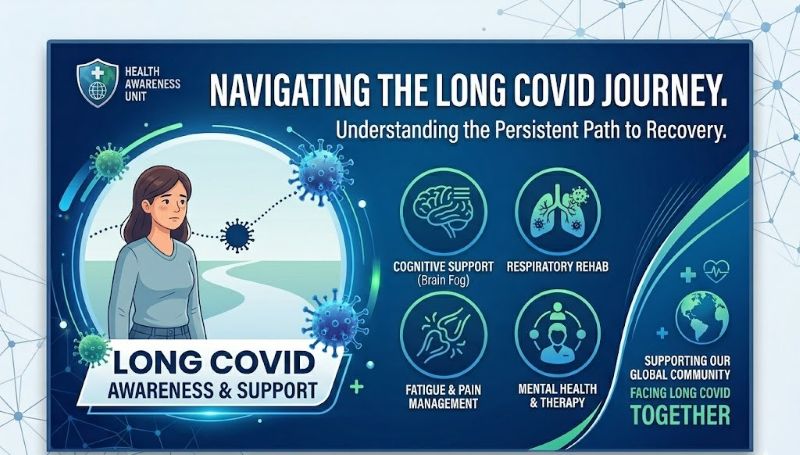
Long COVID is also called post COVID condition or post COVID syndrome. It is a broad term for many health problems. These symptoms can last for weeks, months, or even years after a person first gets COVID.
How It Develops
Long COVID does not follow a single path. For some, it begins immediately after the acute infection resolves, while for others, symptoms appear weeks later. It can affect anyone at any age, regardless of the severity of their initial illness.
It Can Affect Mild, Moderate, or Severe Cases
A common misconception is that only those hospitalized with severe pneumonia suffer long-term effects. Research shows that even people who had mild or asymptomatic initial infections can develop debilitating long COVID effects. This unpredictability makes the condition a significant public health concern.
Common Long COVID Symptoms
The symptoms of post-COVID syndrome are diverse, affecting almost every organ system. However, certain patterns have emerged that are critical to recognize.
Persistent Physical Symptoms
Physical symptoms are often the most visible signs of lingering illness. These include:
Ongoing Fever: A low-grade fever after COVID can persist for weeks, signaling that the immune system is still fighting inflammation.
Shortness of Breath: Shortness of breath COVID patients experience is often linked to lung inflammation or diaphragm deconditioning, making simple tasks like climbing stairs difficult.
Chronic Fatigue: This is not just tiredness; it is a profound exhaustion that does not improve with rest, often categorized as fatigue after COVID.
Chest Pain or Tightness: This may indicate lingering cardiac inflammation or pulmonary issues and requires medical evaluation.
Neurological and Other Symptoms
The impact on the nervous system is one of the most challenging aspects of long COVID symptoms.
Brain Fog: Difficulty concentrating, memory lapses, and confusion are hallmark signs of neurological involvement.
Headaches: Persistent or new-onset headaches can be debilitating.
Sleep Disturbances: Insomnia or unrefreshing sleep is common, further exacerbating fatigue.
Anxiety and Depression: The psychological toll of a post-viral illness, combined with physiological changes, can lead to significant mental health challenges.
Why Symptoms Like Fever and Shortness of Breath Matter
Symptoms such as fever and shortness of breath are not just inconveniences; they are signals from your body.
Signs of Inflammation and Immune Response
A lasting fever can mean the immune system is still active. It may even start to affect healthy tissue. Shortness of breath can signal ongoing inflammation. This may be in the lungs or blood vessels. It can make it harder for the body to get enough oxygen.
When Symptoms Indicate Complications
These symptoms can be part of recovery. But they may also signal complications. This can include microclots. It can include problems with the autonomic nervous system, such as POTS. It can also include lung scarring.
This is why medical care matters. Ongoing fever or shortness of breath should not be ignored. Waiting too long can lead to worse health problems.
Who Is at Risk for Long COVID?
While anyone can develop chronic COVID symptoms, certain factors increase the risk.
Prior Health Conditions: Individuals with diabetes, obesity, or autoimmune disorders may be more susceptible.
Vaccination Status: Studies suggest that vaccination reduces the risk of developing Long COVID, though it does not eliminate it entirely.
Healthy Individuals: Even young, healthy, and athletic people can develop post-COVID syndrome.
Repeated Infections: Each infection carries a risk of cumulative damage, increasing the likelihood of long-term effects.
How Long COVID Affects Daily Life
The impact of long COVID effects extends far beyond physical health.
Work and Productivity
Many individuals suffering from brain fog and fatigue find it difficult to maintain full-time employment. This “invisible disability” can lead to reduced productivity or the need for workplace accommodations.
Physical Limitations
Simple activities that were once taken for granted, like grocery shopping or walking the dog, can become difficult due to shortness of breath and fatigue.
Mental Health and Healthcare Strain
The isolation caused by chronic illness contributes to anxiety and depression. Furthermore, the influx of patients with lingering COVID symptoms continues to strain healthcare systems, leading to longer wait times and the need for specialized long COVID clinics.
When to Seek Medical Attention
If you are experiencing symptoms weeks after recovering from COVID-19, do not dismiss them. Seek medical attention if you have:
- A persistent fever lasting more than two weeks.
- Worsening shortness of breath or difficulty breathing at rest.
- Chest pain or palpitations.
- Severe fatigue that interferes with daily activities.
- New neurological symptoms like severe confusion or numbness.
Early assessment is vital for managing post-COVID syndrome and preventing complications.
Managing Long COVID Symptoms
While there is no single cure for Long COVID yet, a multidisciplinary approach can significantly improve quality of life.
Medical Treatments and Monitoring
Work with healthcare providers to monitor vital signs, lung function, and heart health. Specialists may recommend medications to manage specific symptoms like inflammation or autonomic dysfunction.
Lifestyle Strategies
- Rest and Pacing: Avoid “pushing through” fatigue. Pacing activities helps prevent post-exertional malaise (PEM).
- Nutrition and Hydration: A balanced diet rich in anti-inflammatory foods and adequate hydration support immune function.
- Gradual Return to Activity: Physical therapy may be necessary to safely rebuild strength without overexertion.
Support Resources
Connecting with support groups—either online or in-person—can provide emotional relief and practical advice from others navigating the same journey.
Can Long COVID Be Prevented?
Prevention is still the best way to reduce complications after COVID. While there is no guaranteed way to avoid long COVID, some steps can lower the risk. Staying up to date with vaccines helps. Reducing exposure to the virus is important. Early treatment and proper rest during infection can also make a difference.
Taking care of your health during and after COVID matters. Simple actions can help support recovery and reduce long term effects.
Conclusion
So, is COVID really over? The pandemic phase has ended. But the virus still has an impact. For millions, COVID is not over. It is a daily struggle with long COVID symptoms.
Long COVID is real and serious. It can affect both the body and the mind. There is hope. With awareness, proper care, and healthy lifestyle changes, people can move toward recovery. Staying informed and alert helps protect our health and each other as we continue living with COVID-19.
Disclaimer: This content is for informational purposes only and does not constitute medical advice. Always consult with a healthcare professional for diagnosis and treatment.