
Why Smarter Upgrades Mean Safer Workplaces for Women
4 min read
623 words
Feeling safe at work is not just about locked doors and fire alarms. For many women, it also comes down to whether a building has been designed, maintained and upgraded with real day-to-day use in mind. Poor lighting, awkward access routes, aging roof systems, draughty workspace and neglected facilities can all add up to an environment that feels less secure, less comfortable and harder to navigate.
That matters more than many businesses realize. A safer workplace is not only about preventing accidents. It also supports confidence, well-being and retention, especially as expectations around dignity, flexibility and inclusive working continue to rise.
Why the building itself plays a bigger role than people think
Policy matters, but the physical condition of a building shapes everyday experience just as much. Better visibility in car parks and walkways, secure entry points, clean and well-planned welfare areas, and properly maintained external surfaces all help create a site that feels more predictable and less vulnerable.
This is especially important in industrial and commercial settings, where older premises may have been built around operational efficiency rather than inclusive use. Upgrading external envelopes, roofs and wall systems can improve insulation, reduce leaks and damp, and remove hazards caused by deterioration. Businesses reviewing their premises often turn to industrial roofing and cladding services in Bath when they need safer, more resilient buildings that support staff as well as operations.
Better upgrades support both physical and psychological safety
Women are more likely to judge a workplace on whether it feels respectful, secure and well run from the moment they arrive. That includes practical details such as lighting near entrances, dry and slip-resistant access areas, suitable changing spaces and reliable temperature control.
It also connects with wider expectations around culture. Since the introduction of the Worker Protection Act, employers have faced greater pressure to take proactive steps around physically and psychologically safe workplaces, not simply react when problems arise. A neglected building can send the opposite message. It suggests that staff comfort and safety are secondary.
Small changes can have a strong impact
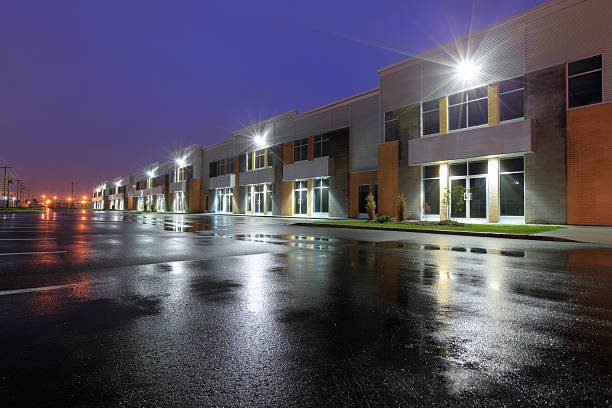
In many workplaces, the most effective upgrades are not the most dramatic. They include:
- improved exterior lighting and clearer sight lines
- safer access routes in bad weather
- upgraded cladding or roofing to reduce water ingress and maintenance risks
- cleaner, more private washroom and changing facilities
- clearer zoning between public, operational and staff-only areas
These improvements help everyone, but they can be particularly meaningful for women who may already be managing concerns around personal security, comfort or being one of few female staff members on site.
Smarter buildings also make flexible working more realistic
A modern workplace has to do more than function. It needs to adapt. As flexible and hybrid working practices in 2025 continue to shape recruitment and retention, employers need spaces that are comfortable, efficient and easy to use for different patterns of work.
That can mean quieter breakout areas, better ventilation, improved thermal performance and layouts that support both collaboration and privacy. For women balancing work with caring responsibilities, health needs or commuting concerns, those details can make a workplace feel far more workable over the long term.
What employers should look at next
If you want to make your workplace safer for women, start by walking the site as an employee would. Look at the journey in, the first impression, the condition of external areas, and the standard of welfare spaces. Then consider whether your roofing, cladding and general building fabric are helping or hindering that experience.
The strongest workplaces are not only compliant. They are visibly cared for. When a building feels secure, well maintained and fit for modern working, it tells women that their safety has been built into the environment, not added as an afterthought.