The Menopause Symptoms You Didn’t See Coming
5 min read
869 words
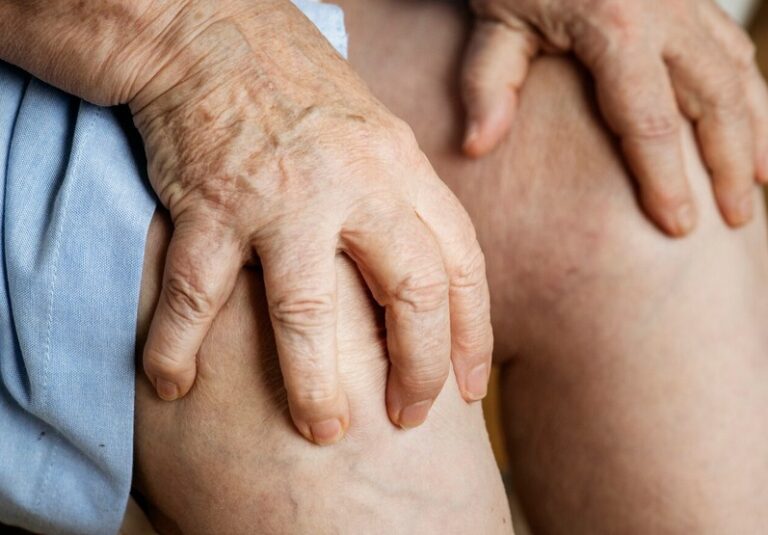
When we think of menopause, hot flashes and night sweats often dominate the conversation. However, menopause is a complex transition that affects the body in many surprising ways. For many women, the experience is not just about feeling hot—it can also include feeling cold, changes in taste, and shifts in skin health.
Understanding these lesser-known symptoms is the first step toward managing them effectively. If you are navigating this stage of life, know that you are not alone, and these changes are a normal part of the hormonal shift.
Feeling Cold During Menopause
While hot flashes are the most talked-about symptom, many women report the opposite: feeling cold more often. This sensation can be confusing, especially if you are not experiencing the typical heat surges.
Changes in estrogen levels affect your body’s internal thermostat (the hypothalamus). When estrogen fluctuates, your body may struggle to regulate temperature efficiently. This can lead to:
- Chills or cold flashes
- Cold hands and feet
- A general sensitivity to lower temperatures
Staying layered and keeping a warm drink on hand can help manage these sudden shifts in body temperature.
Sensory Changes: Hearing, Taste, and Dry Mouth
Menopause can subtly alter how you experience the world through your senses.
Dry Mouth (Xerostomia) Reduced estrogen levels can impact saliva production, leading to dry mouth. This is not just an annoyance; it can reduce your sense of taste and even affect dental health. Staying hydrated is essential, but if dry mouth persists, it may be worth discussing saliva substitutes or specific oral hygiene products with your dentist.
Taste Sensitivity Have you noticed that your favorite foods taste different? Hormonal changes, combined with medications or stress, can alter your taste buds. Some women report a metallic taste or a general blunting of flavors. This often coincides with dry mouth, as saliva plays a crucial role in breaking down food and activating taste receptors.
Hearing Changes You might also notice changes in your hearing, such as mild tinnitus (a ringing or buzzing sound) or increased sensitivity to certain noises. While age-related hearing loss is common, hormonal fluctuations can contribute to these auditory changes during the menopausal transition.
Skin, Hair, and Physical Appearance
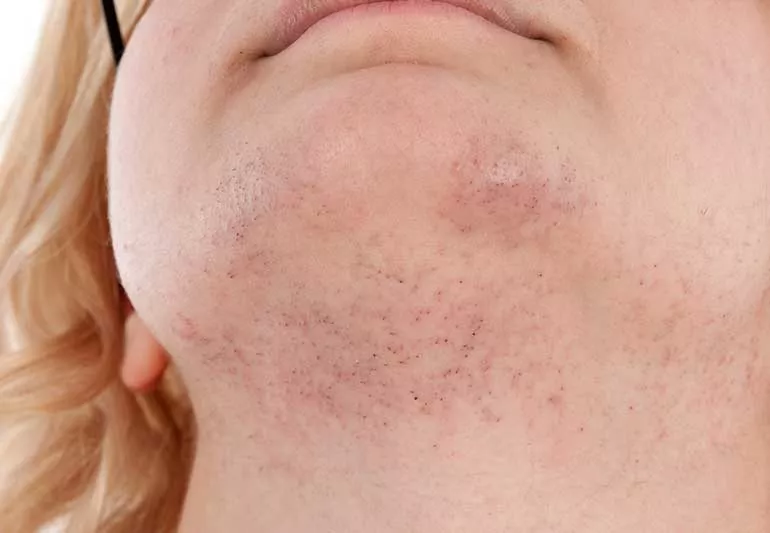
The external signs of menopause can be just as varied as the internal ones.
Dry and Itchy Skin Estrogen is vital for collagen production and skin hydration. As estrogen levels decline, skin can become drier, thinner, and more prone to itching. A consistent skincare routine focusing on hydration and sun protection is more important than ever during this time.
Facial Hair Growth Hormonal shifts can create an imbalance between estrogen and testosterone. While estrogen decreases, testosterone remains relatively stable or becomes more dominant. This can lead to increased hair growth in unexpected places, such as the chin or upper lip. This is a common, normal occurrence, and many women choose gentle hair removal methods to manage it.
Weight Redistribution You may notice that your weight distribution changes, even if the number on the scale remains the same. A shift in fat storage often leads to more weight accumulating around the belly. This is largely due to the relationship between estrogen and insulin sensitivity. Incorporating strength training and a balanced diet can help manage this redistribution.
Sleep and Emotional Well-Being
Sleep disturbances are a hallmark of menopause, but they can manifest in different ways.
Sleep Disturbances Insomnia, waking up frequently during the night, or experiencing restless sleep are common complaints. These issues can be triggered by night sweats, but they also occur independently due to hormonal changes affecting sleep architecture. Prioritizing sleep hygiene—such as a cool, dark room and a consistent bedtime—can make a significant difference.
Mood Swings The hormonal rollercoaster doesn’t just affect the body; it impacts the mind, too. Sudden irritability, anxiety, or emotional sensitivity can catch you off guard. Recognizing that these mood swings are biological, not personal failings, is key to navigating them with self-compassion.
Dental and Heart Health
Two areas that are often overlooked in menopause discussions are oral health and cardiovascular sensations.
Dental Changes Hormonal shifts can affect the gums, leading to increased sensitivity, inflammation, or a higher risk of gingivitis. Dry mouth can also increase the risk of cavities. Regular dental check-ups and meticulous oral hygiene are essential during menopause.
Heart Palpitations Many women experience heart palpitations—a sensation of an irregular heartbeat, fluttering, or a “racing” heart. While often benign and related to hormonal fluctuations, it is important to monitor these sensations. If they are frequent or accompanied by dizziness, consult a healthcare provider to rule out other causes.
Finding Support
Navigating menopause involves more than just managing hot flashes. From feeling cold to changes in taste and skin health, the symptoms are diverse. By understanding these lesser-known signs, you can better advocate for your health and well-being.
If you are experiencing these symptoms and they are impacting your quality of life, reach out to a healthcare professional. You don’t have to navigate this transition alone, and effective management strategies are available.
Disclaimer: This article is for informational purposes only and does not constitute medical advice. Always consult with a qualified healthcare provider regarding any health concerns or before making changes to your treatment plan.