
The Rise of Gut-Health Comfort Foods: Spring Soup Detox
4 min read
683 words
Spring has arrived in Toronto, but the era of the frantic, ice-cold juice cleanse is officially behind us. In 2026, we lean into “Soft Wellness” by prioritizing Gut-Health Comfort Foods that nourish the body from the inside out.
The Physiological Case Against Liquid Cleanses
For years, the urban “spring detox” followed a rigid playbook: expensive, fruit-heavy juices that promised clarity but delivered a blood sugar rollercoaster. The reality is that liquid-only diets often trigger “brain fog” and leave the nervous system in a state of stress—exactly the opposite of what is required when navigating a demanding career or a long commute on the 401. When you consume only juice, you are flooding the system with fructose without the structural components needed to slow absorption.
When calories are consumed only in liquid form, the vital mechanical digestion process is bypassed. More importantly, the body misses out on essential fiber. We are currently in the era of fibermaxxing, where we recognize that fiber is not just a filler—it is the foundation of a healthy microbiome. Fiber acts as a scaffold for the gut, ensuring that toxins are actually moved out of the system rather than recirculated. Furthermore, the thermogenic effect of warm food assists the body in maintaining homeostasis during damp April weather. By choosing a spring soup detox, which is the ultimate gut-health comfort food, you assist your body in maintaining homeostasis.
Somatic Nutrition: Regulating the Urban Nervous System
We are witnessing the rise of the soft wellness diet, a philosophy that prioritizes nervous system regulation. When you consume warm, savory meals, you signal to the brain that the body is safe and nurtured—a rare feeling in the 24/7 buzz of the city. This approach to somatic nutrition helps lower cortisol levels and provides the stability the body craves during transitional seasons. Cooking vegetables—such as asparagus, leeks, and peas—increases their bioavailability, breaking down cellular walls to make micronutrients easier for a stressed gut to utilize.
Prebiotic Foundations for Seasonal Transition
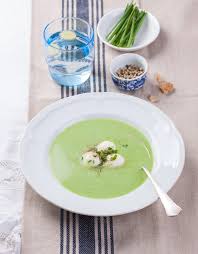
Even in a concrete environment, spring offers a specific nutritional pharmacy. These ingredients form the basis of the most effective gut-health comfort foods.
- The Allium Base: Leeks and Ontario wild ramps provide sulfur-rich prebiotic fuel that supports liver detoxification pathways more effectively than sugar-based fasting.
- Asparagus: Contains asparagine, a natural diuretic that assists the kidneys in managing seasonal water retention without energy depletion.
- Dandelion Greens: Stimulates bile production and liver function through natural bitterness, aiding digestion in a way that modern processed diets often lack.
- Bone Broth & Miso: These gut-health comfort foods provide the amino acids and probiotics necessary for maintaining the integrity of the gut lining.
Analog Rituals in a Digital Environment
Beyond the nutrients, the slow, meditative process of simmering a pot serves as a mental reset. In a digital-first world, the analog ritual of preparing a spring soup detox—the chopping, the stirring, the waiting—counters screen fatigue. Focus on the structural elements of the dish: fresh textures from seasonal peas and the peppery crunch of radishes. This is about building resilience for the months ahead, not depleting reserves for a temporary aesthetic goal.
Renewal does not have to mean restriction. When you swap the straw for a spoon, the focus shifts to “adding in” nutrients. By choosing a spring soup detox packed with fiber, you participate in the ultimate form of urban self-care. It is time to lean into the slow simmer. When you prioritize safety and satiety, the results happen naturally, even in the heart of the city. By incorporating gut-health comfort foods into your weekly rotation, you ensure that your wellness journey is as sustainable as it is effective.
Join the conversation: When the April rain hits, what is your go-to warm meal? Let us know your favorite ways to prepare these nourishing dishes in the comments!
Disclaimer: The information provided in this article is for informational and educational purposes only and is not intended as medical advice. Always consult with a qualified healthcare professional or registered dietitian before making significant changes to your diet, especially if you have underlying health conditions or digestive concerns.