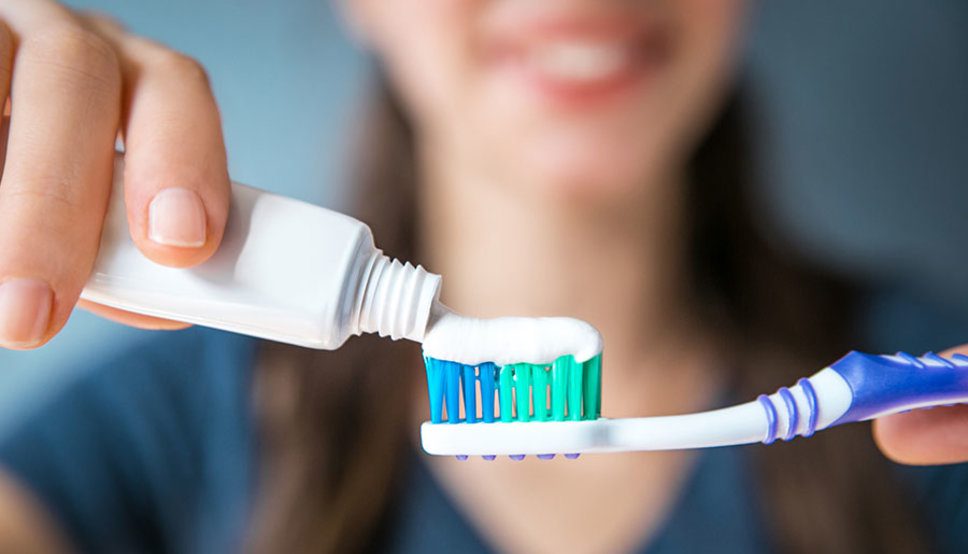
Oral Health and Heart Disease: Why Brushing Matters
6 min read
1004 words
Most of us brush our teeth every morning and before bed without giving it much thought. We know that brushing helps prevent cavities, keeps our breath fresh, and protects our gums. However, research suggests that this simple daily habit may do much more than keep your smile healthy. The connection between oral health and heart disease has become an important area of research, showing that taking care of your mouth may also help support your cardiovascular health.
While brushing your teeth is not a substitute for eating a healthy diet, exercising regularly, or managing conditions such as high blood pressure or diabetes, it may be another simple step you can take to support your overall well being.
The Surprising Link Between Oral Health and Heart Disease
The relationship between oral health and heart disease has been the focus of numerous scientific studies. A growing body of research has found a connection between poor oral hygiene and an increased risk of cardiovascular disease. One study, published in the British Medical Journal, found that people who brushed their teeth less frequently had a higher risk of developing heart disease than those who maintained good oral hygiene.
Although researchers continue to study the exact relationship, the findings add to years of evidence suggesting that the health of your mouth and the health of your heart are closely connected.
It is important to understand that poor oral hygiene does not directly cause heart disease. Instead, experts believe that poor oral health may be one of several factors that contribute to an increased risk of cardiovascular disease alongside smoking, obesity, high blood pressure, diabetes, and physical inactivity.
How Can Oral Health Affect Your Heart?
Understanding the connection between oral health and heart disease begins with the bacteria that naturally live in your mouth. Hundreds of different types of bacteria are present every day. Most are harmless when they are controlled through regular brushing, flossing, and professional dental care.
When plaque is allowed to build up, harmful bacteria multiply and can lead to gum disease, also known as periodontal disease. Gum disease causes inflammation and infection in the tissues surrounding your teeth.
Researchers believe this inflammation may explain why oral health and heart disease are linked. Inflamed gums can allow bacteria to enter the bloodstream, where they may contribute to inflammation in blood vessels. Chronic inflammation has long been recognized as an important factor in the development of heart disease, heart attacks, and strokes.
Although scientists are still learning more about this relationship, maintaining healthy gums remains an important part of protecting your overall health.
Why Brushing Twice a Day Matters
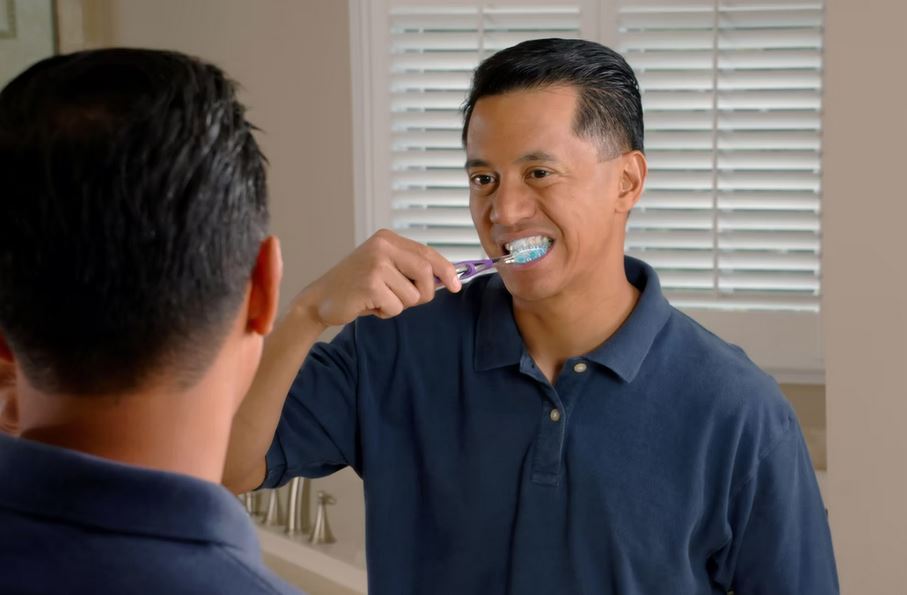
One of the easiest ways to improve oral health and reduce your risk of gum disease is by brushing your teeth twice every day.
Brushing removes plaque before it hardens into tartar and helps reduce the number of harmful bacteria in your mouth. Good brushing habits can lower your risk of cavities, gingivitis, and periodontal disease while supporting better oral health.
Brushing in the morning removes bacteria that have accumulated overnight, freshens your breath, and prepares your mouth for the day ahead.
Brushing before bedtime is just as important. Throughout the day, food particles, sugars, and bacteria collect on your teeth. If they remain overnight, bacteria continue producing acids that can damage tooth enamel and irritate your gums while you sleep.
Consistent brushing is one of the simplest habits you can develop to improve both your oral hygiene and your long term health.
Don’t Forget to Floss
Brushing alone cannot clean every surface of your teeth.
Daily flossing removes plaque and food particles from between your teeth where toothbrush bristles cannot reach. Flossing also reduces the risk of gum disease, cavities between the teeth, and persistent bad breath.
If traditional floss is difficult to use, floss picks, interdental brushes, or water flossers can also help improve oral health. The most important thing is choosing a method you will use consistently.
Regular Dental Visits Support Better Oral Health
Maintaining excellent oral health requires more than brushing and flossing at home.
Regular dental checkups allow your dentist to detect cavities, gum disease, and other oral health problems before they become serious. Professional cleanings remove hardened tartar that cannot be removed with a toothbrush.
Your dentist can also screen for oral cancer and monitor changes in your gums that may affect your long term health.
Most adults should visit the dentist every six months, although some people may need more frequent appointments depending on their oral health needs.
Other Ways to Improve Oral Health
Supporting good oral health involves several healthy habits.
- Choose a soft bristled toothbrush and replace it every three to four months or sooner if the bristles become worn.
- Use fluoride toothpaste to strengthen tooth enamel and help prevent cavities.
- Limit sugary foods and beverages that feed harmful bacteria.
- Drink plenty of water throughout the day to rinse away food particles and help keep your mouth hydrated.
- Avoid smoking and other tobacco products, which greatly increase the risk of gum disease, tooth loss, and oral cancer.
- Eating a balanced diet rich in fruits, vegetables, lean proteins, and calcium also supports healthier teeth and gums.
A Healthy Smile May Support a Healthy Heart
The growing evidence connecting oral health and heart disease reminds us that every part of the body works together. Taking care of your teeth and gums is about much more than having a bright smile.
Scientists continue to study how oral bacteria and chronic inflammation affect cardiovascular health, but one thing is already clear. Good oral hygiene is an important part of a healthy lifestyle.
Brushing twice a day, flossing daily, eating nutritious foods, visiting your dentist regularly, staying physically active, and managing other heart disease risk factors all work together to support your overall well being.
The next time you reach for your toothbrush, remember that you are investing in more than your smile. By making oral health a daily priority, you may also be supporting your heart and protecting your health for years to come.