
How to Manage a Chronic Skin Condition with Ease
7 min read
1214 words
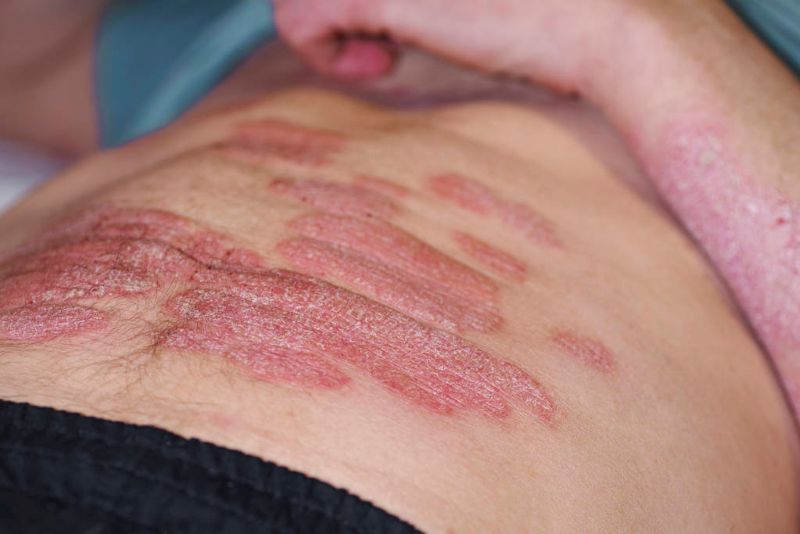
Living with chronic skin conditions such as eczema, psoriasis, rosacea, or dermatitis can be challenging both physically and emotionally. Symptoms like itching, redness, dryness, and flare-ups often affect daily life, sleep quality, and self-confidence. Fortunately, there are practical ways to manage chronic skin conditions and improve your quality of life. Millions of people worldwide live with chronic skin disorders. While there may not always be a permanent cure, effective management strategies can significantly reduce symptoms and help you regain control. This guide explores a holistic approach that combines simplified skincare, environmental awareness, mental wellness, and strong communication with healthcare providers. If you’ve ever felt frustrated, overwhelmed, or isolated because of your skin, know that you’re not alone. Managing a chronic skin condition is a journey, and small, consistent habits can make a meaningful difference.
I. Simplify Your Skincare Routine: The “Less Is More” Approach
When your skin is sensitive, using more products doesn’t necessarily mean better results. In fact, complicated skincare routines can introduce additional irritants that worsen symptoms. A minimalist approach is often the key to calmer, healthier skin.
The Gentle Foundation
Start by simplifying your routine to the essentials:
- A gentle, fragrance-free cleanser
- A thick, hydrating moisturizer
- Products specifically formulated for sensitive skin
Look for dermatologist-recommended and hypoallergenic products whenever possible. Fewer ingredients often mean fewer opportunities for irritation.
Protect and Repair the Skin Barrier
Your skin barrier serves as your body’s first line of defense. When it’s damaged, moisture escapes and irritants penetrate more easily.
Look for ingredients that help repair and strengthen the skin barrier:
- Ceramides: Help restore and reinforce the skin’s natural protective layer.
- Hyaluronic Acid: Attracts and retains moisture.
- Petrolatum: Creates a protective seal that reduces water loss.
- Shea Butter: Provides deep hydration and barrier support.
Audit Your Current Products
Review your skincare collection and remove products that may be contributing to irritation.
Common triggers include:
- Harsh physical exfoliants
- Synthetic fragrances
- Alcohol-based toners
- Products with artificial dyes
- Strong acids used too frequently
Consistency Over Complexity
A simple skincare routine followed every day is usually more effective than an elaborate routine that’s difficult to maintain. Focus on cleansing and moisturizing consistently morning and night.
II. Environmental Triggers: Taking Control of Your Space
Your environment can have a major impact on chronic skin conditions. While you can’t control everything around you, making a few adjustments at home can reduce common triggers.
Laundry Habits Matter
Clothing remains in contact with your skin for hours each day, making laundry products a potential source of irritation.
Consider:
- Using fragrance-free detergents
- Avoiding fabric softeners
- Skipping dryer sheets
- Running an extra rinse cycle if needed
Improve Indoor Air Quality
Dry air and airborne allergens can worsen itching, inflammation, and skin dryness.
Humidifiers
Humidifiers help add moisture to the air, especially during winter months when indoor heating can dry out skin.
Air Purifiers
HEPA air purifiers can help reduce exposure to:
- Dust mites
- Pet dander
- Pollen
- Other airborne allergens
Choose Skin-Friendly Fabrics
The materials you wear can either soothe or irritate sensitive skin.
Consider:
- Organic cotton
- Bamboo fabrics
- Silk
- Loose-fitting clothing
Avoid rough fabrics such as wool and tight synthetic materials that can trap heat and moisture.
III. Nutrition and Chronic Skin Conditions
While there is no universal diet that works for everyone, some individuals find that certain foods can influence their symptoms. Keeping a food journal may help identify personal triggers.
Potential dietary triggers may include:
- Highly processed foods
- Excess sugar
- Alcohol
- Dairy products
- Ultra-processed snacks
Focus on a balanced diet rich in:
- Fruits and vegetables
- Lean proteins
- Healthy fats
- Whole grains
- Adequate water intake
If you suspect food-related triggers, discuss elimination diets or nutritional concerns with your healthcare provider before making significant changes.
IV. Managing the Flare-Up Cycle
Even with excellent daily care, flare-ups can still occur. Having a proactive plan can help reduce their severity and duration.
Recognize Early Warning Signs
Learn to identify the subtle signals that often appear before a flare-up, such as:
- Mild itching
- Localized dryness
- Warmth or redness
- Tightness in the skin
Tracking symptoms can reveal patterns and triggers related to:
- Stress
- Weather changes
- Sleep quality
- Diet
- Hormonal fluctuations
Create a Flare-Up Toolkit
Keep essential supplies ready so you can act quickly when symptoms begin.
- Cool compresses
- Prescribed medications
- Approved over-the-counter treatments
- Thick moisturizers
- Protective cotton gloves
Break the Itch-Scratch Cycle
Scratching often provides temporary relief but worsens inflammation and damages the skin barrier.
Instead:
- Apply a cool compress
- Keep nails trimmed short
- Wear cotton gloves while sleeping if nighttime scratching is a problem
- Use moisturizers frequently to reduce itching
V. The Mental Health and Lifestyle Connection
The connection between emotional well-being and skin health is well established. Stress can increase inflammation and contribute to flare-ups.
Understanding the Stress-Skin Connection
When stress levels rise, the body releases hormones such as cortisol that can worsen inflammatory skin conditions.
Simple stress-management practices may help:
- Deep breathing exercises
- Meditation
- Walking outdoors
- Gentle yoga
- Journaling
- Regular physical activity
Build a Support System
Living with a visible skin condition can sometimes feel isolating. Connecting with others who share similar experiences can provide emotional support and practical advice.
Consider:
- Online support communities
- Local support groups
- Educational webinars
- Patient advocacy organizations
Practice Self-Compassion
There will be good skin days and difficult skin days. Remember that your appearance does not define your value.
Be patient with yourself, celebrate progress, and allow yourself grace during challenging periods.
VI. Partnering With Your Medical Team
Your dermatologist or healthcare provider is one of your most important allies in managing chronic skin conditions.
Prepare for Appointments
Before each appointment, make notes about:
- Current symptoms
- Recent flare-ups
- Products you’re using
- Medications and treatments
- Questions you want answered
It can also help to document how your condition affects your daily life, including sleep, work performance, or emotional well-being.
Know When to Seek a Second Opinion
Managing chronic skin conditions often requires adjustments over time. If your symptoms are not improving or your concerns aren’t being addressed, seeking a second opinion is a reasonable option.
Advocate for Yourself
You are the expert on your own experience. Be honest about symptoms, treatment challenges, and quality-of-life concerns so your healthcare provider can help create the most effective plan.
VII. Daily Skin Management Checklist
Use this quick checklist to support healthier skin every day:
- ✓ Cleanse with a gentle, fragrance-free cleanser
- ✓ Moisturize at least twice daily
- ✓ Stay hydrated
- ✓ Avoid known triggers
- ✓ Manage stress levels
- ✓ Follow prescribed treatment plans
- ✓ Get sufficient sleep
- ✓ Wear comfortable, breathable clothing
- ✓ Track flare-up patterns
Conclusion
Managing chronic skin conditions is a marathon, not a sprint. Long-term success comes from consistent daily habits rather than quick fixes. By simplifying your skincare routine, identifying triggers, supporting your mental health, and working closely with healthcare professionals, you can take meaningful steps toward healthier skin and improved quality of life.
Remember: your skin condition does not define who you are. Every small step you take toward better management is progress worth celebrating.
We’d love to hear from you. What is your number one must-have product, habit, or tip for managing your skin condition? Share your experience in the comments below and help others discover new ways to find relief.
Disclaimer: This article is for informational purposes only and does not constitute medical advice. Always consult a dermatologist or qualified healthcare professional regarding medical concerns, diagnoses, or treatment plans.







I think we all have something that we deal with that nobody else knows about and we aren’t brave enough to talk about.
Dealing with a chronic skin condition is no walk in the park.