

Long-Distance Drive: The Stress-Free Guide to Staying Safe
6 min read
1012 words
Long-distance road trips offer freedom, adventure, and the opportunity to explore new destinations. However, spending hours behind the wheel comes with unique risks that require careful preparation. Driver fatigue, vehicle breakdowns, distracted driving, and changing weather conditions can quickly turn an enjoyable journey into a stressful or dangerous experience.
Fortunately, a little planning goes a long way. By taking proactive steps before and during your trip, you can reduce risks, stay comfortable, and arrive safely at your destination. Whether you’re heading out on a weekend getaway or a cross-country adventure, these nine essential safety tips will help you make the most of your journey.
1. Get Plenty of Rest Before You Leave
Why Sleep Matters
Driving while tired can impair reaction times and decision-making abilities similarly to alcohol impairment. Fatigue can cause drivers to miss hazards, drift between lanes, and experience dangerous microsleeps.
How Much Sleep Do You Need?
Aim for at least seven to eight hours of quality sleep before departure. If you’re beginning your trip early in the morning, consider going to bed earlier the night before.
Warning Signs of Fatigue
- Frequent yawning
- Heavy eyelids
- Difficulty concentrating
- Missing road signs or exits
- Drifting from your lane
If you experience any of these symptoms, pull over and rest immediately.
2. Inspect Your Vehicle Before Hitting the Road
Check Tire Condition
Inspect tires for:
- Proper inflation
- Adequate tread depth
- Signs of wear or damage
Underinflated tires can reduce fuel efficiency and increase the risk of blowouts.
Examine Essential Components
Before leaving, check:
- Engine oil
- Coolant levels
- Brake fluid
- Windshield washer fluid
- Headlights and taillights
Test Battery and Wipers
A weak battery or worn windshield wipers can create unexpected problems during a long trip.
Schedule Maintenance
If your vehicle is due for service, take care of maintenance before your departure date.
3. Plan Your Route in Advance
Use Navigation Tools
Modern GPS systems and navigation apps provide real-time traffic updates and route suggestions.
Identify Key Stops
Plan ahead for:
- Fuel stations
- Rest areas
- Restaurants
- Hotels
- Emergency services
Check Weather Conditions
Monitor forecasts along your route and prepare for potential delays caused by storms, fog, snow, or heavy rain.
Have a Backup Route
Road construction, accidents, and closures can disrupt travel plans. Knowing alternate routes can save time and reduce stress.
4. Avoid Distracted Driving
Limit Phone Use
Set your phone to hands-free mode or use voice commands whenever possible.
Program Navigation Before Departure
Entering directions while driving significantly increases distraction risks.
Minimize In-Car Distractions
Avoid:
- Texting
- Browsing social media
- Eating large meals while driving
- Constantly adjusting entertainment systems
Stay Focused
Keep your attention on surrounding traffic, road signs, and changing conditions.
5. Take Regular Breaks
How Often Should You Stop?
Experts generally recommend stopping every two hours or approximately every 160 to 200 kilometers (100 to 125 miles).
Benefits of Taking Breaks
Regular stops help:
- Reduce fatigue
- Improve circulation
- Increase alertness
- Relieve muscle tension
Stretch and Move
Use break time to:
- Walk around
- Stretch your legs
- Roll your shoulders
- Drink water
Even a brief break can improve concentration.
6. Stay Hydrated and Eat Smart
Hydration Supports Alertness
Dehydration can cause fatigue, headaches, and reduced focus. Keep water readily available throughout your trip.
Choose Energy-Boosting Snacks
Healthy options include:
- Fresh fruit
- Nuts
- Trail mix
- Yogurt
- Protein bars
Avoid Foods That Cause Fatigue
Limit:
- Heavy fast-food meals
- Sugary snacks
- Excessive caffeine
- Energy drinks
These can lead to energy crashes and decreased alertness.
7. Prepare for Emergencies
Build a Roadside Emergency Kit
Include:
- Flashlight
- First-aid kit
- Jumper cables
- Tire pressure gauge
- Reflective warning triangles
- Blanket
- Bottled water
- Non-perishable snacks
Keep Devices Charged
Bring:
- Phone charger
- Portable power bank
- Emergency contact information
Know What to Do During a Breakdown
If your vehicle becomes disabled:
- Move to a safe location if possible.
- Turn on hazard lights.
- Call roadside assistance.
- Stay inside the vehicle if conditions are unsafe outside.
8. Drive Defensively
Maintain Safe Following Distance
Leave enough space between vehicles to react to sudden stops.
Watch for Dangerous Drivers
Stay alert for drivers who:
- Speed excessively
- Weave through traffic
- Follow too closely
- Show signs of impairment
Adjust to Conditions
Reduce speed during:
- Rain
- Snow
- Fog
- Heavy traffic
- Construction zones
Defensive driving helps reduce accident risks regardless of road conditions.
9. Share Your Travel Plans
Tell Someone Your Route
Provide a family member or friend with:
- Planned route
- Expected arrival time
- Overnight stops
Check In Periodically
Regular updates provide reassurance and can speed up assistance if an emergency occurs.
Use Location Sharing
Many smartphones offer optional location-sharing features that can help loved ones monitor your progress.
Bonus Tips for Long Road Trips
Drive During Daylight Hours
Visibility is generally better during the day, reducing accident risks.
Rotate Drivers
If traveling with another licensed driver, take turns behind the wheel to reduce fatigue.
Organize Entertainment Safely
Prepare playlists, podcasts, and audiobooks before departure to minimize distractions.
Pack Comfort Essentials
Consider bringing:
- Sunglasses
- Neck pillow
- Light jacket
- Healthy snacks
- Reusable water bottle
Conclusion
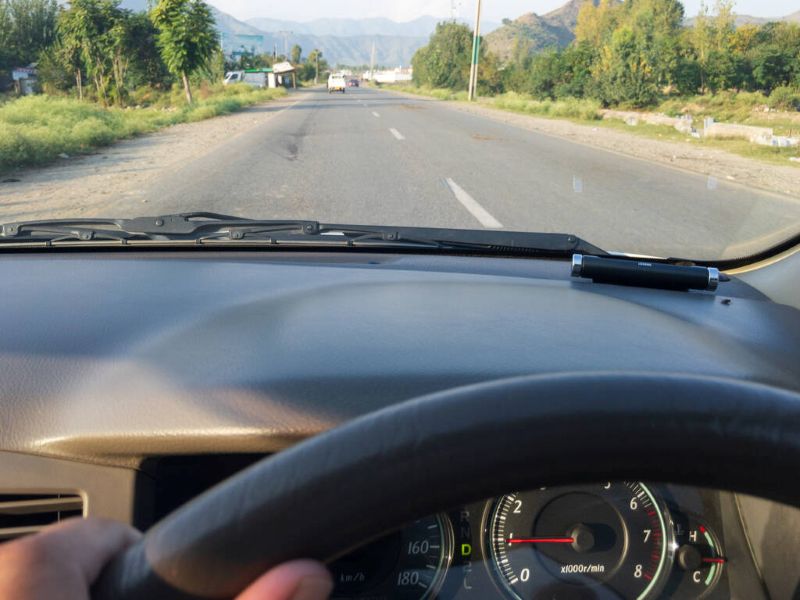
A successful road trip starts long before you turn the key in the ignition. Prioritizing rest, vehicle maintenance, route planning, and safe driving habits can dramatically reduce risks during long-distance travel.
While unexpected situations can occur, preparation gives you the best chance of handling challenges safely and confidently. By following these nine tips, you’ll protect yourself, your passengers, and everyone else sharing the road.
Safe travels and enjoy the journey.
Frequently Asked Questions
How often should I stop during a long drive?
Most safety experts recommend taking a break every two hours or every 160 to 200 kilometers (100 to 125 miles).
What are the signs of driver fatigue?
Common signs include yawning, difficulty focusing, drifting between lanes, heavy eyelids, and missing traffic signs.
What should be included in a roadside emergency kit?
A basic kit should include a flashlight, first-aid supplies, jumper cables, water, snacks, reflective triangles, and a phone charger.
Is it safe to drive overnight on a long-distance trip?
Driving overnight increases fatigue risks and reduces visibility. Daytime travel is generally safer whenever possible.
How can I stay alert during long drives?
Get adequate sleep, stay hydrated, eat healthy snacks, take regular breaks, and avoid driving when tired.
Updated on June 12, 2026







Long-distance driving can be daunting, but with these handy tips, we can all feel a little more at ease behind the wheel.
I always make sure to take breaks and stay hydrated on long drives.
Love these tips.
Staying safe on the road is so important, especially when you’re miles away from home. Thanks for sharing!