Breaking Free from Stereotypes – Beyond the Surface
6 min read
1138 words
Stereotypes are everywhere. From the moment we are born, society begins forming assumptions about who we are based on our gender, appearance, background, abilities, and social roles. While stereotypes can sometimes help people quickly understand the world around them, they can also create unfair expectations that limit individuals and prevent us from seeing the full person behind the label.
A stereotype can quickly become an assumption. It can create expectations about how someone should act, what they should be interested in, what they are capable of achieving, or what role they should play in society. Instead of seeing a whole person with unique experiences, talents, struggles, and dreams, we begin to see only a category.
The truth is that every person is far more complex than any single word used to describe them. We all carry stories, experiences, and qualities that cannot be summarized by a stereotype.
How Stereotypes Shape the Way We See Ourselves and Others
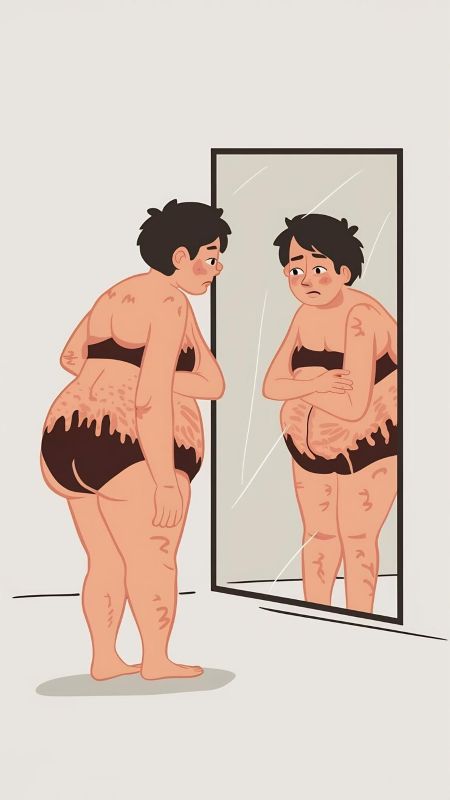
Stereotypes influence not only how others see us, but also how we begin to see ourselves. When people repeatedly hear certain messages about who they are supposed to be, those messages can become internalized.
A child who is constantly told they are “not athletic,” “too sensitive,” or “not smart enough” may begin to believe those statements and avoid opportunities where they could have succeeded.
An adult who is repeatedly judged by their appearance, background, or circumstances may begin to feel defined by outside opinions rather than by their own abilities, character, and potential.
While stereotypes are often created from assumptions, people are far more complicated than the categories society assigns to them.
Gender Stereotypes and Expectations
One of the most common forms of stereotyping involves gender stereotypes.
Phrases such as “boys will be boys” or assumptions that certain emotions, careers, hobbies, or behaviours belong only to one gender can place unnecessary limits on individuals.
These stereotypes can influence:
• Career choices
• Relationships
• Education opportunities
• Personal expression
• Confidence and self-esteem
A person’s gender should not determine their interests, abilities, or dreams. A girl who loves science, a boy who enjoys caring professions, or anyone who challenges traditional expectations should be encouraged rather than judged.
When we move beyond gender stereotypes, we create more opportunities for everyone to explore who they truly are.
The Harm Caused by Racial Stereotypes
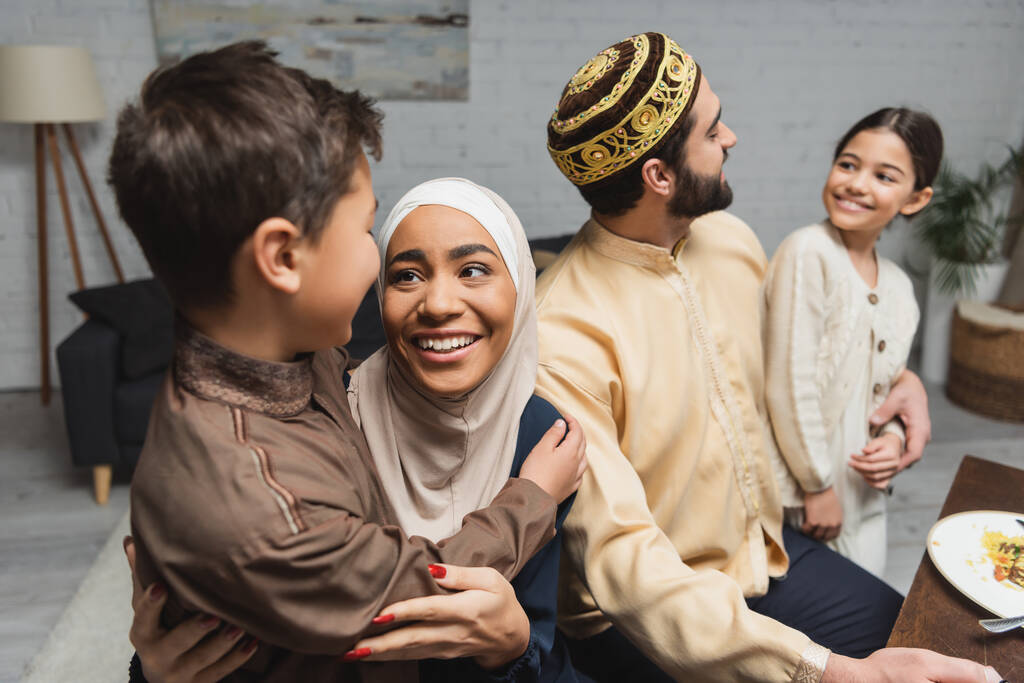
Racial stereotypes are another powerful example of how labels can create unfair assumptions.
Judging someone based on the colour of their skin, cultural background, or ethnicity reduces a person to a single characteristic while ignoring their individuality.
These assumptions can affect:
• Employment opportunities
• Education experiences
• Social interactions
• Access to resources
• Feelings of belonging
Many stereotypes are passed down through generations, sometimes without people realizing they are repeating harmful ideas. Challenging these beliefs requires awareness, education, and a willingness to listen to experiences different from our own.
Every person deserves to be recognized for their character, actions, and contributions rather than assumptions based on identity.
Mental Health Stereotypes and Breaking the Stigma
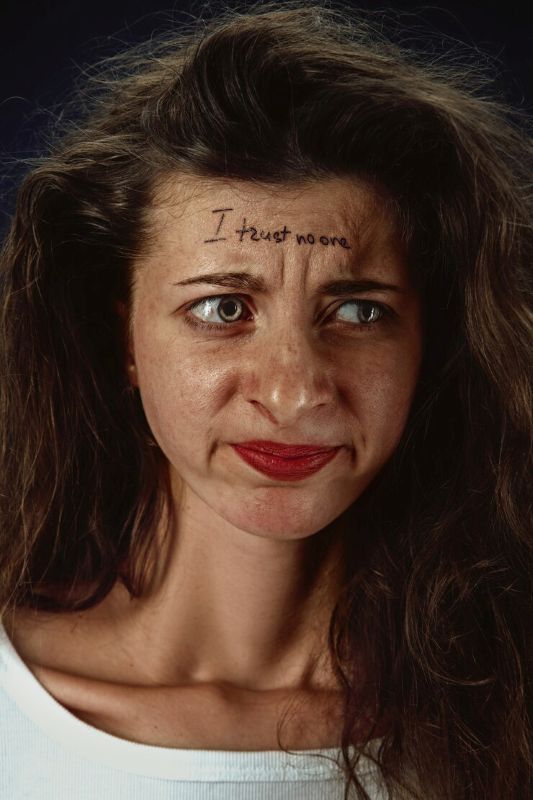
Mental health stereotypes can create barriers that prevent people from receiving support.
People experiencing anxiety, depression, trauma, or other mental health challenges have sometimes been unfairly described with words such as “weak,” “unstable,” or “crazy.”
These labels can create shame and discourage individuals from reaching out for help.
Mental health challenges are part of the human experience. They do not define a person’s intelligence, strength, value, or potential.
Creating a more compassionate society means recognizing that someone can be struggling while still being capable, talented, loving, and successful.
Body Image Stereotypes and the Pressure to Conform
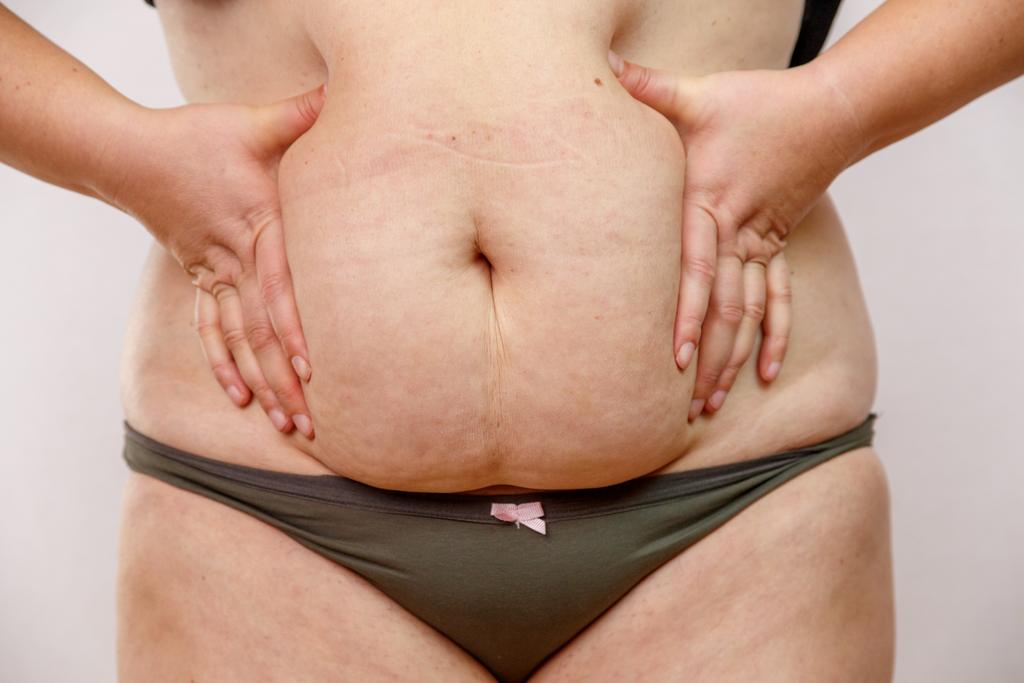
Our society often places enormous pressure on people to look a certain way. Beauty standards presented through advertising, entertainment, and social media can create unrealistic expectations about appearance.
Stereotypes related to body size and appearance, including fat shaming, can have serious emotional consequences.
Judging someone based only on their body ignores everything else that makes them who they are:
• Their kindness
• Their creativity
• Their experiences
• Their talents
• Their accomplishments
A person’s worth is not determined by their size, shape, age, or appearance.
Learning to appreciate diverse bodies and different life experiences allows people to develop healthier relationships with themselves and others.
The Impact of Social Stereotypes
Stereotyping often begins early in life, especially during school years. Many people remember the social categories that existed in high school: the athlete, the quiet student, the popular group, the academic achiever, the troublemaker, or the outsider.
While these labels may seem temporary, they can influence how young people view themselves and each other.
A student who is labeled as shy may never be encouraged to lead. A student labeled as a troublemaker may struggle to have others recognize their positive qualities.
People grow and change. A label created at one moment in someone’s life should never become a permanent definition of who they are.
Stereotypes Applied to People Facing Challenges
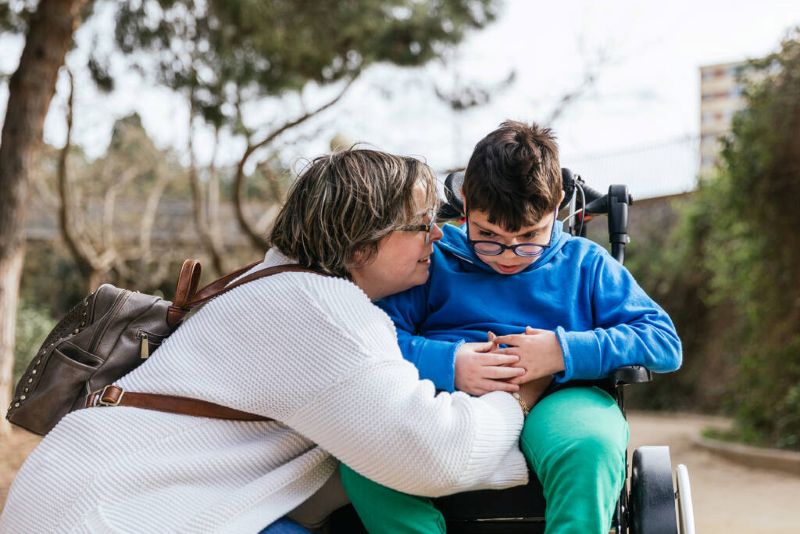
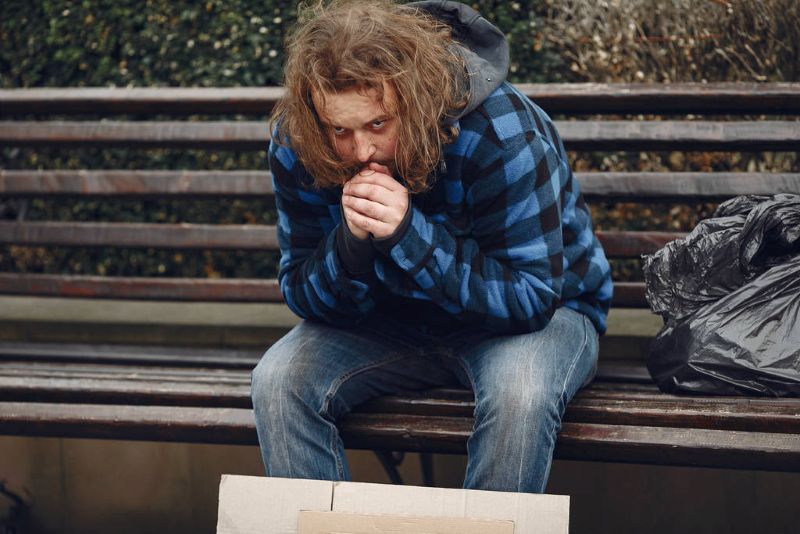
Some of the most damaging stereotypes are those placed on people experiencing difficult circumstances.
Individuals facing homelessness, addiction, disability, unemployment, or financial hardship are often judged by their situation rather than recognized as complete human beings.
A disability label, an addiction label, or a housing status label should never erase a person’s dignity, abilities, or potential.
Behind every circumstance is a person with a history, relationships, strengths, and hopes for the future.
Compassion begins when we look beyond the stereotype and see the individual.
How Can We Break Free From Limiting Stereotypes?
Changing the way we think requires awareness and intentional effort. We all have learned assumptions, but we also have the ability to question them and grow.
Educate Yourself
Learning about different cultures, communities, and life experiences helps us understand the world from perspectives beyond our own.
Challenge Personal Biases
Everyone has unconscious biases. Taking time to reflect on our assumptions helps us recognize when we may be judging someone unfairly.
Speak Up Against Prejudice
When we hear harmful comments or witness discrimination, choosing not to participate in those attitudes helps create a more respectful environment.
Celebrate Individuality
People are not meant to fit into narrow categories. Celebrating differences allows everyone to express themselves authentically.
Practice Empathy
Trying to understand another person’s experiences creates stronger connections and a more compassionate society.
Final Thoughts
Labels may be common, but they do not have to control how we see ourselves or others.
A person is not defined by their gender, race, mental health struggles, body size, social background, disability, or past experiences. Each individual is a combination of memories, dreams, talents, challenges, and possibilities.
When we move beyond stereotypes and labels, we create space for understanding, acceptance, and genuine human connection.
The next time you meet someone, try looking beyond the category. See the person. Listen to their story. Recognize their humanity.
Because no stereotype or label can ever capture the full depth of who someone truly is.