Accessible Travel Technology for Travellers With Disabilities
11 min read
2033 words
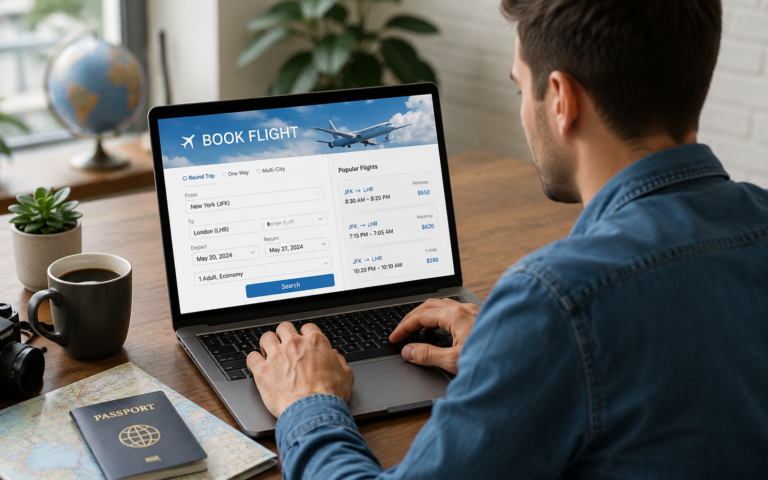
Travel opens up our world, offering new experiences, cultures, and unforgettable memories. For travellers with disabilities, however, exploring new destinations can come with unique challenges. Finding accessible accommodations, arranging transportation, or navigating unfamiliar locations often requires additional planning. The good news is that accessible travel technology is changing the way people explore the world. From travel apps and smart devices to artificial intelligence tools, technology is helping remove barriers while providing greater independence, confidence, and peace of mind.
The goal of accessible technology is not to replace human support. Instead, it provides travellers with better information, more choices, and the tools needed to create a smoother and more enjoyable journey.
What Is Accessible Travel Technology?

Accessible travel technology refers to digital tools, applications, and devices designed to make travel easier, safer, and more convenient for people with disabilities.
These tools support a wide range of needs, including:
- Mobility challenges: Finding step-free routes, accessible transportation, and barrier-free facilities.
- Vision impairments: Providing audio descriptions, navigation assistance, and screen-reading features.
- Hearing impairments: Offering captions, visual alerts, and communication support.
- Cognitive disabilities: Supporting organization, routines, and clear communication.
- Communication needs: Helping travellers overcome language barriers.
Accessible technology allows travellers to plan ahead, understand their options, and make informed decisions before and during their trip.
How Technology Is Changing Accessible Tourism
The growth of accessible tourism is being supported by digital tools that help travellers plan with greater confidence.
Hotels, airlines, attractions, and destinations are increasingly using technology to improve accessibility through:
- Digital accessibility guides for cities and attractions
- Online reviews from travellers with disabilities
- Virtual tours that allow visitors to preview locations
- Booking platforms that highlight accessibility features
- Real-time transportation and facility updates
Having accurate information before travelling can make the difference between a stressful experience and a successful adventure.
Disability Travel Apps That Help Travellers Plan Trips
Disability travel apps are becoming valuable tools for people who need accessibility information before and during their journeys.
These apps can help travellers find:
- Accessible hotels and restaurants
- Wheelchair-friendly locations
- Accessible washrooms
- Step-free entrances
- Mobility-friendly attractions
- Reviews from other travellers
Real-world reviews are especially helpful because they often provide details that official websites may not include, such as doorway widths, bathroom layouts, noise levels, and ease of access.
Finding Accessible Hotels and Accommodations

One of the biggest challenges for travellers with disabilities is confirming whether a location is truly accessible. Hotel descriptions do not always provide enough information about important features.
Before booking, travellers should look for:
- Wheelchair-accessible rooms
- Roll-in showers
- Elevators and ramps
- Automatic doors
- Accessible parking
- Room layouts that meet individual needs
Reading guest reviews can provide valuable insight into the actual accessibility experience and help travellers choose accommodations that fit their needs.
Accessible Navigation and Route Planning
Getting around an unfamiliar destination can be challenging, but navigation technology is making travel easier.
Accessible navigation tools can help travellers:
- Find step-free routes
- Identify accessible entrances
- Locate accessible public transportation
- Avoid stairs, steep paths, and uneven surfaces
- Use voice-guided directions
- Download offline maps
Mapping technology can help travellers explore new places with greater confidence and independence.
Smartphone Accessibility Features for Travel
Many travellers already carry a powerful accessibility tool in their pocket: their smartphone.
Built-in accessibility features can provide valuable support while travelling and help people stay connected, informed, and independent.
Voice Assistants
Voice assistants can help travellers with:
- Setting reminders and alarms
- Making hands-free calls
- Checking schedules and attraction hours
- Finding information quickly
- Managing daily travel plans
Screen Readers and Magnification Tools
These features support travellers with vision challenges by:
- Reading information aloud
- Enlarging text and images
- Helping navigate websites and apps
- Making digital information easier to access
Speech-to-Text and Translation Features
Communication tools can help travellers:
- Translate conversations
- Understand signs and menus
- Communicate requests
- Navigate language barriers
Emergency Features
Smartphones can provide additional safety support through:
- Emergency contacts
- Location sharing
- Stored medical information
- Quick access to emergency services
Before travelling, make sure important accessibility settings are turned on and that essential apps and documents are available offline.
AI and Accessible Travel: The Next Step Forward
Artificial intelligence is creating new possibilities for inclusive travel.
AI-powered tools may help travellers with:
- Personalized accessible trip planning
- Real-time language translation
- Image descriptions for people with vision loss
- Smart travel assistants that answer accessibility questions
For example, AI image recognition tools may help describe a restaurant menu, landmark, or surrounding environment.
While AI offers exciting possibilities, travellers should still confirm accessibility details directly with hotels, airlines, and attractions.
Smart Devices That Support Accessible Travel
Beyond apps, smart devices can provide additional support and help travellers feel more prepared while exploring new destinations.
Wearable technology and travel gadgets can assist with safety, communication, navigation, and managing everyday needs.
Smart Watches
Smart watches can be valuable travel companions, especially for travellers who want quick access to important information without needing to reach for a phone.
Helpful features include:
- Health monitoring: Track activity levels, heart rate, and health information while travelling.
- Emergency alerts: Quickly contact emergency services or chosen contacts if help is needed.
- Location sharing: Allow family members or caregivers to stay connected when appropriate.
- Navigation assistance: Receive directions and travel alerts directly on the wrist.
- Medication reminders: Help maintain routines while away from home.
Luggage Trackers and Smart Travel Devices
Lost luggage can create stress for any traveller, especially those carrying medical equipment, mobility aids, or important personal items.
Small tracking devices can provide extra peace of mind by helping travellers locate their belongings.
They can be useful for:
- Finding luggage, backpacks, wallets, and personal items
- Tracking important medical bags or equipment
- Receiving smartphone alerts if items are left behind
- Providing additional security during busy travel days
Recommended Travel Trackers
Apple AirTag
A popular option for iPhone users, Apple AirTag is a small Bluetooth tracker that can be placed inside luggage, backpacks, or personal bags. It works with Apple’s Find My network to help locate lost items.
Samsung Galaxy SmartTag2
A useful choice for Samsung Galaxy users. This compact tracker can help locate luggage, backpacks, keys, and other important items through compatible Samsung devices.
Tile Pro Bluetooth Tracker
A flexible option for travellers using different devices. Tile trackers can help locate everyday items such as luggage, purses, and travel bags through the Tile app.
When choosing a tracker, consider smartphone compatibility, battery life, range, and whether a subscription is required.
Tips for Using Luggage Trackers While Travelling
Before your trip:
✔ Place a tracker inside checked luggage
✔ Add contact information to your bags
✔ Test the device before leaving home
✔ Keep your phone charged
✔ Consider tracking medical bags, mobility equipment, and carry-on items
For travellers with disabilities, a small tracking device can provide an extra layer of confidence when navigating airports, train stations, hotels, and unfamiliar destinations.
Hearing and Communication Devices for Accessible Travel
Modern assistive technology can make communication easier while travelling. These tools help travellers stay connected in airports, hotels, restaurants, and public spaces by improving hearing, providing captions, and reducing communication barriers.
Examples include:
- Bluetooth-enabled hearing aids
- Captioning tools
- Personal amplification devices
- Translation technology
These devices can help travellers follow conversations, understand announcements, communicate requests, and navigate unfamiliar environments more comfortably.
Recommended Hearing and Communication Travel Tools
Bluetooth-Enabled Hearing Aids
Modern hearing aids can connect wirelessly to smartphones, allowing travellers to stream calls, audio, and other information directly to their devices.
Helpful features may include:
- Improved speech clarity in noisy environments
- Bluetooth connectivity
- Smartphone controls
- Rechargeable batteries
Captioning Tools
Real-time captioning can help travellers follow important conversations and announcements.
Captioning tools can be useful for:
- Airport announcements
- Hotel check-in
- Tours and attractions
- Restaurants and group conversations
Many smartphones also include built-in captioning features through accessibility settings.
Personal Amplification Devices
Portable amplification devices can help travellers who need additional support hearing conversations in busy environments.
They may be useful in:
- Restaurants
- Hotel lobbies
- Transportation areas
- Group settings
Translation Technology
Language barriers can make international travel challenging, but translation tools can make communication easier.
Helpful features include:
- Two-way voice translation
- Text translation
- Camera translation for signs and menus
- Offline translation options
Examples include translation apps and dedicated translation devices designed for travellers.
Tips for Choosing Communication Technology
Before travelling:
✔ Test the technology before your trip
✔ Make sure devices connect with your smartphone
✔ Bring charging cables and backup batteries
✔ Download required apps before leaving home
✔ Consider accessibility needs at airports, hotels, and attractions
The best communication technology is the one that matches the traveller’s needs and creates a more comfortable travel experience.
Noise-Cancelling Headphones for Accessible Travel
Busy travel environments can be overwhelming for some travellers. Airports, train stations, hotels, and crowded attractions often include background noise, announcements, and unexpected sounds.
Noise-cancelling headphones can help create a calmer and more comfortable environment.
They can be especially helpful for:
- Airports and airplane cabins
- Train stations and public transportation
- Busy hotels and restaurants
- Crowded attractions
- Travellers who are sensitive to noise
Recommended Noise-Cancelling Headphones
Bose QuietComfort Ultra Headphones

A popular option for frequent travellers, these headphones provide strong noise cancellation, comfortable ear cushions, and features designed for long listening sessions.
Sony WH-1000XM5 Wireless Noise Cancelling Headphones
These headphones combine noise cancellation with customizable settings through a companion app, making them a good option for travellers who want control over their listening experience.
Apple AirPods Max
For travellers using Apple devices, AirPods Max offers active noise cancellation and seamless integration with the Apple ecosystem.
Tips for Choosing Travel Headphones
Consider:
✔ Comfort for long periods of use
✔ Battery life for travel days
✔ Lightweight design
✔ Easy Bluetooth connection
✔ A transparency mode to hear announcements
✔ A protective carrying case
The best accessible travel technology is not about owning the newest gadget. It is about choosing tools that support individual needs and make travel safer, calmer, and more enjoyable.
Train Travel Technology for Travellers With Disabilities

Train travel can be a comfortable way to explore new destinations, but preparation is important for travellers who require accessibility support.
Technology can help travellers:
- Check station accessibility information
- View schedules and delays
- Reserve accessible seating
- Request mobility assistance
- Find elevator and platform information
- Receive travel updates through railway apps
When travelling with VIA Rail, passengers who require accessible seating or additional assistance should request their needs in advance whenever possible. Planning ahead allows the railway team time to arrange appropriate seating, boarding support, and other accessibility services.
Always check the railway provider’s accessibility options before travelling to ensure a smoother and more comfortable journey.
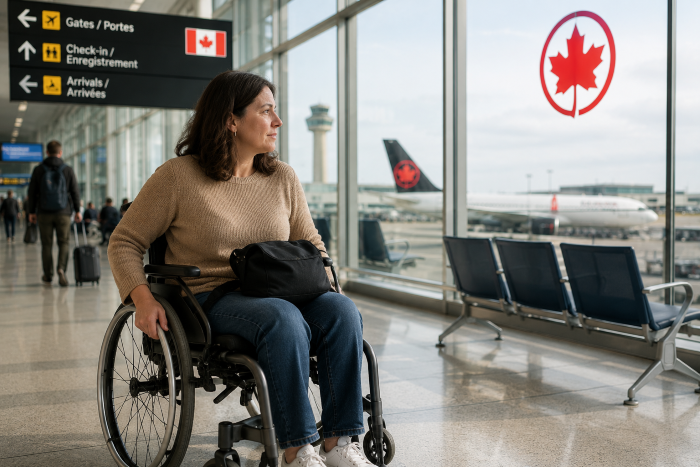
Airport Technology and Accessible Air Travel
Airports can be stressful environments, but digital tools are helping improve accessibility and make travel more predictable.
Helpful airport technology includes:
- Mobile check-in
- Digital boarding passes
- Airport navigation apps
- Accessibility request systems
- Flight status notifications
- Digital terminal maps
Travellers should contact airlines before their trip to discuss accessibility needs and available assistance.
Planning ahead can help reduce stress and create a smoother airport experience.
Tips for Choosing the Right Accessible Travel Technology
Before travelling:
✔ Research accessibility features before booking
✔ Read reviews from travellers with similar needs
✔ Download important apps before leaving home
✔ Keep chargers and backup batteries available
✔ Save important documents offline
✔ Test new technology before your trip
Challenges With Accessible Travel Technology
Although technology has improved accessible travel, some challenges remain.
Travellers should remember:
- Not all apps contain accurate or updated accessibility information.
- Some destinations have limited accessibility details available online.
- Technology should support personal research, not replace it.
Speaking directly with hotels, airlines, and attractions is still one of the best ways to confirm accessibility details.
The Future of Accessible Tourism
The future of accessible travel continues to evolve. Emerging trends include:
- More AI-powered travel assistants
- Smarter hotel rooms with automated accessibility features
- Improved accessibility information online
- More inclusive travel planning tools
As technology continues to improve, more travellers will have the information and confidence needed to explore new destinations.
Conclusion: Technology Helps Open the World to More Travellers
Accessible travel technology is doing more than solving travel challenges—it is helping create greater independence and freedom for people with disabilities.
From disability travel apps and smart devices to AI-powered tools, technology is providing better information, more choices, and increased confidence.
Technology does not replace human support. Instead, it helps create a more inclusive travel experience where more people can discover the joy of exploring the world.