Culinary Tourism: The Rise of Food Focused Travel
5 min read
967 words
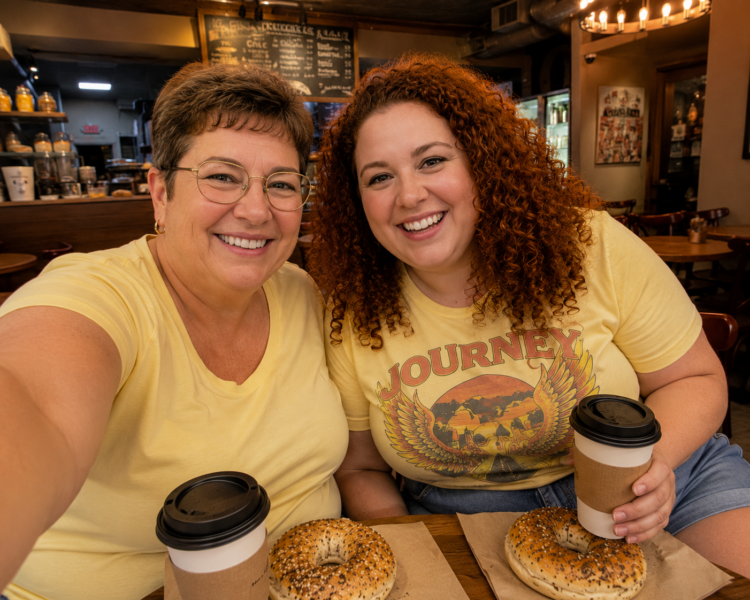
For decades, travel was often defined by a checklist of famous landmarks. Visitors explored museums, photographed historic buildings, and rushed from one attraction to the next. Meals were sometimes an afterthought, something to enjoy quickly before moving on to the next destination. That is changing. Today, many travelers are planning their trips around food. Local markets, traditional restaurants, cooking classes, and regional specialties have become just as important as famous sights. A destination is no longer only experienced through what people see, but also through what they taste. Culinary tourism, the practice of traveling to experience a region’s food and drink, has grown from a niche interest into a popular travel trend. For many travelers, food offers a meaningful way to connect with a destination’s history, culture, and people.
Understanding Culinary Tourism

At its heart, culinary tourism is about discovering the story behind food. It goes beyond visiting restaurants and ordering a meal. It includes learning about local ingredients, traditional cooking methods, and the people who create the food that represents a community.
Culinary travelers are interested in more than what is on the plate. They want to understand where the ingredients come from, how recipes have been passed down, and why certain foods are important to a region.
This could mean visiting a seafood market in Japan, exploring olive farms in Greece, learning traditional cooking techniques in Mexico, or joining a local chef for a hands on cooking experience.
Food becomes a way to learn about a culture through traditions that have often been shared for generations.
Why Food Focused Travel Is Growing
Several factors are driving the rise of culinary tourism.
Travelers Want Authentic Experiences
Many travelers are moving away from generic vacations and looking for experiences that feel personal and genuine. Instead of visiting only popular tourist attractions, they want to experience everyday life in the places they visit.
Local food provides a direct connection to a community’s traditions, values, and lifestyle.
Food Creates Lasting Memories
A memorable meal can become one of the highlights of a trip. The smell of fresh spices at a market, the taste of a regional specialty, or learning a family recipe can create memories that last long after the vacation ends.
Food connects with multiple senses, making travel experiences more personal and meaningful.
Travelers Want to Participate
Modern travelers increasingly want experiences they can take part in rather than simply observe.
Cooking classes, farm visits, wine tastings, and food festivals allow visitors to become involved in local traditions. Learning how to make pasta in Italy, picking fresh produce from a farm, or preparing a regional dish creates a souvenir that cannot be bought in a store.
Social Media Has Inspired Food Travel
Platforms such as Instagram and TikTok have made local restaurants, unique dishes, and hidden food destinations more visible. A small family owned restaurant or a traditional street food stall can quickly become a reason for travelers to visit a destination.
A World of Culinary Experiences
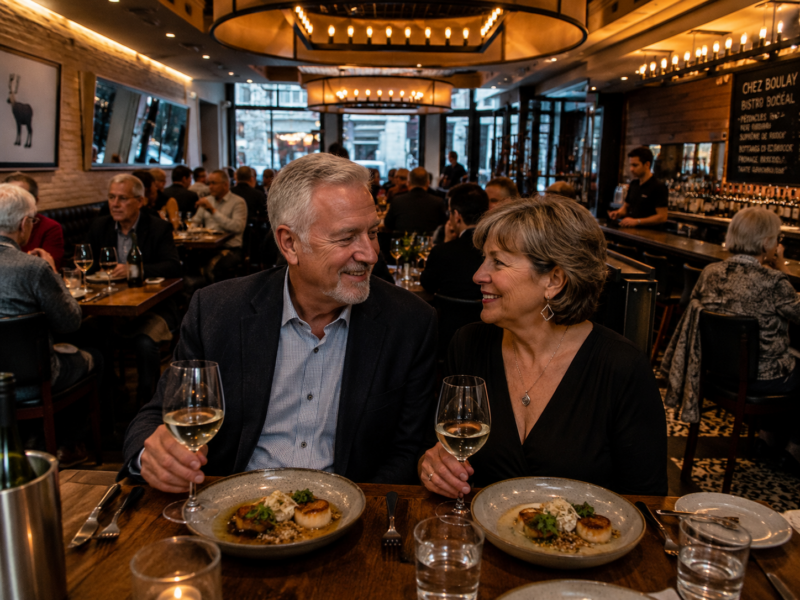
Every destination has its own food story.
In Italy, travelers can explore regional pasta traditions, local markets, olive oil production, and family recipes that have been passed down for generations.
Japan offers unique culinary experiences, from traditional tea ceremonies to fresh seafood markets and carefully prepared dishes that reflect centuries of culture.
Thailand is known for its vibrant street food scene, where travelers can experience the balance of sweet, salty, sour, and spicy flavors that define Thai cuisine.
Canada is also becoming a popular destination for food focused travel. Beyond maple syrup, visitors can explore Quebec’s French inspired cuisine, Ontario’s wine regions, Atlantic seafood experiences, and local farmers’ markets.
There is also growing interest in Indigenous cuisine, where travelers can learn about traditional ingredients, land based food practices, and cooking methods that have supported communities for generations.
Why Culinary Tourism Appeals to Women Over 50
Culinary tourism is especially appealing to many women over 50 because it often fits with the growing interest in slower, more meaningful travel.
Instead of rushing through a long list of attractions, travelers can take time to enjoy a meal, meet local producers, learn new skills, and appreciate the culture around them.
Food focused travel works well for couples, friends, and multigenerational families. A cooking class, vineyard visit, or local food tour can create opportunities for connection and shared memories.
For many mature travelers, the goal is no longer simply seeing as much as possible. It is about experiencing something memorable and meaningful.
Planning a Culinary Vacation
Planning a food focused trip does not have to be complicated. A few simple steps can help create a memorable experience.
Research Early
Popular cooking classes, food tours, and specialty restaurants can book quickly, especially in busy travel seasons.
Look Beyond Tourist Areas
Some of the best food experiences are found in smaller neighbourhood restaurants, local markets, and family owned businesses recommended by residents.
Support Local Businesses
Choosing independent restaurants, farmers’ markets, and local producers helps support the communities that make culinary traditions possible.
Leave Room for Discovery
While planning is important, some of the best travel memories come from unexpected discoveries, such as a small bakery, a local festival, or a conversation with a food producer.
Conclusion
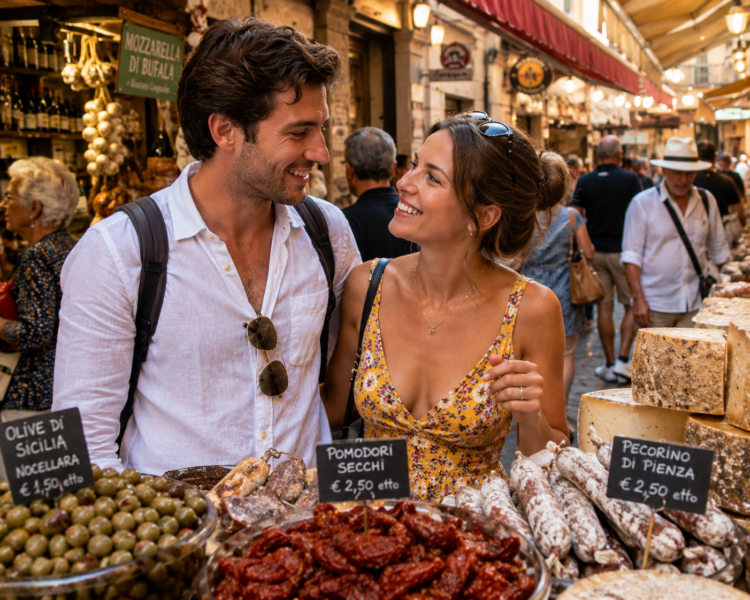
Culinary tourism is changing the way people experience travel. Food is no longer just something enjoyed during a vacation. It has become a reason to explore, learn, and connect.
By discovering local dishes, traditional recipes, and the people behind the food, travelers gain a deeper understanding of the places they visit.
For those planning their next adventure, the perfect itinerary may not begin with a landmark. It may begin with a local market, a shared meal, or a dish that tells the story of a destination.