AI Personal Assistants: Can They Really Save You Time?
10 min read
1843 words
AI personal assistants are rapidly changing the way we work, organize our lives, and manage everyday tasks. What started as simple voice commands for checking the weather, setting alarms, or playing music has evolved into powerful AI productivity tools and AI virtual assistants that can write emails, summarize information, plan trips, organize schedules, and help with decision-making.
As artificial intelligence becomes part of daily life, many people are asking an important question: Do AI personal assistants really save time, or do they simply change the way we work?
While AI can automate repetitive tasks and improve efficiency, it still requires human oversight. Knowing how to create effective prompts, verify information, and combine AI with human judgment is the key to getting the most value from these digital helpers.
What Is an AI Personal Assistant?
An AI personal assistant is a software program that uses artificial intelligence to help users complete tasks, find information, organize schedules, and improve productivity.
Traditional digital assistants such as Siri and Google Assistant were designed mainly for simple commands, including setting reminders, checking the weather, or controlling smart devices. Modern AI assistants use advanced technologies such as large language models (LLMs) and generative AI to understand complex requests, create written content, analyze information, and provide personalized assistance.
Unlike older digital assistants that followed specific commands, today’s AI virtual assistants can hold conversations, help solve problems, and support both personal and professional tasks.
Popular AI Personal Assistants
- ChatGPT: A general-purpose AI assistant used for writing, brainstorming, research, planning, and productivity support.
- Google Gemini: An AI assistant integrated with Google services to help users find information, create content, and manage tasks.
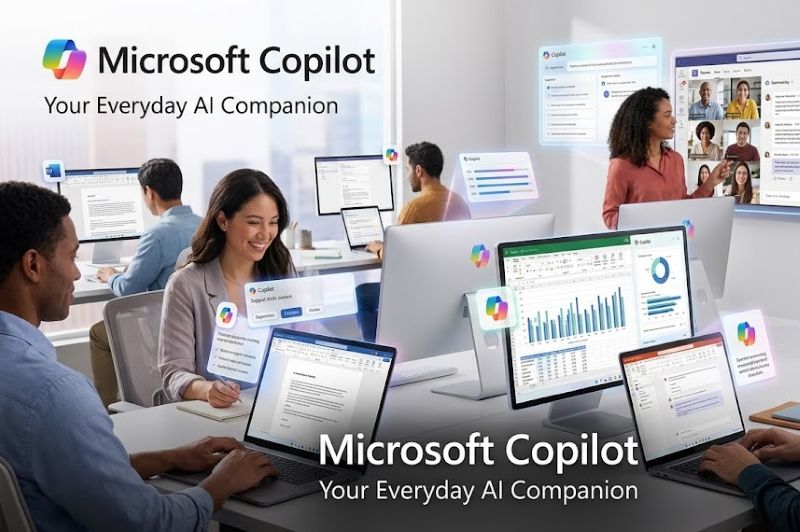
- Microsoft Copilot: A productivity assistant designed to work with Microsoft 365 applications such as Word, Excel, Outlook, and Teams.
- Apple Intelligence: AI features designed for Apple devices, helping users manage information, writing, and everyday tasks.
- Amazon Alexa+: An enhanced version of Alexa with more conversational and generative AI capabilities, helping users manage smart home devices, answer questions, organize tasks, and interact more naturally through voice commands.
- Claude: An AI assistant developed by Anthropic that focuses on helpful, safe, and reliable interactions. Claude is known for writing assistance, document analysis, and detailed conversations.
What Can AI Personal Assistants Do?
Modern AI assistants can handle a wide range of tasks that go far beyond answering questions.
Writing and Editing
One of the most popular uses of AI personal assistants is helping with written communication.
- Draft emails and professional messages
- Create reports and documents
- Generate social media ideas
- Improve grammar and clarity
- Rewrite content in different tones
- Help overcome writer’s block
Scheduling and Organization
AI personal assistants can help manage busy schedules and improve organization.
- Create reminders and schedules
- Organize tasks and priorities
- Build daily plans
- Create checklists
- Break large projects into manageable steps
Research and Learning
AI productivity tools can significantly reduce the time needed to gather and understand information.
- Summarize articles and reports
- Explain complicated topics in simple language
- Compare products and services
- Organize information quickly
- Create research summaries
Personal Life Assistance
AI assistants can also help simplify everyday responsibilities.
- Create meal plans and grocery lists
- Plan vacations and itineraries
- Suggest gift ideas
- Help organize household tasks
- Create personal schedules
How AI Personal Assistants Can Save You Time
The biggest advantage of AI personal assistants is their ability to reduce repetitive work and provide a starting point for tasks that normally take significant time.
For example, a professional preparing a follow-up email after a meeting can ask an AI assistant to create a draft based on the key points discussed. Instead of spending 20 minutes deciding how to begin, they can quickly review and personalize an email draft.
AI can save time by:
- Automating routine tasks
- Creating first drafts
- Summarizing large amounts of information
- Organizing schedules and reminders
- Helping with brainstorming and planning
For students, AI can help create study guides and explain difficult concepts. For business owners, it can assist with marketing ideas, customer communication, and planning. For families, it can simplify organization, meal planning, and travel preparation.
Other Emerging AI Models
Beyond consumer AI personal assistants, new AI models are being developed to power more advanced applications for businesses, developers, and specialized industries.
GLM-5.1

Developed by Zhipu AI, GLM-5.1 is an advanced AI model designed for complex reasoning, coding, document analysis, and AI agent workflows. Unlike everyday AI assistants used directly by consumers, GLM-5.1 is mainly used as a foundation for creating specialized AI applications.
These types of AI models help organizations build customized tools that can handle more complex instructions, analyze information, and support advanced workflows.
Where AI Personal Assistants Fall Short
Although AI personal assistants are powerful tools, they are not perfect. Understanding their limitations is important for using them effectively.
AI Can Provide Incorrect Information
AI systems can sometimes produce inaccurate information, outdated answers, or responses that sound convincing but are incorrect. This is one reason why human review remains essential.
Important information involving healthcare, finances, legal matters, or business decisions should always be verified through trusted sources.
AI Does Not Replace Human Judgment
Artificial intelligence can analyze information and suggest ideas, but it does not have human experience, intuition, or personal understanding. Complex decisions often require creativity, critical thinking, and real-world knowledge.
AI Does Not Have Genuine Emotional Intelligence
AI can recognize patterns in language and create supportive responses, but it does not truly experience emotions or understand personal situations the way another person can.
Human relationships, empathy, and communication skills remain essential in areas such as caregiving, leadership, counseling, and teamwork.
Privacy Matters
Users should be cautious about the information they share with AI tools. Personal details, financial information, medical information, passwords, and confidential business documents should not be entered unless users understand how the AI service handles their data.
Common Mistakes When Using AI Personal Assistants
Getting the best results from AI requires using it correctly. Many users make simple mistakes that reduce the quality of the results they receive.
- Using vague prompts: A request such as “write something about marketing” may create a general answer. Providing details about your goal, audience, and preferred style produces better results.
- Not providing context: AI works best when it understands the background of a request.
- Accepting information without checking: Always review important facts before using AI-generated information.
- Expecting AI to replace expertise: AI should support your knowledge, not replace professional advice or personal judgment.
- Not editing AI-generated content: The strongest results come from combining AI assistance with your own ideas, experience, and personality.
AI Personal Assistants vs Human Assistants
| AI Personal Assistants | Human Assistants |
|---|---|
|
|
Rather than replacing people, AI is more likely to work alongside humans. By handling repetitive tasks and organizing information, AI allows people to spend more time on creativity, strategy, communication, and meaningful interactions.
Tips for Getting Better Results From AI Personal Assistants
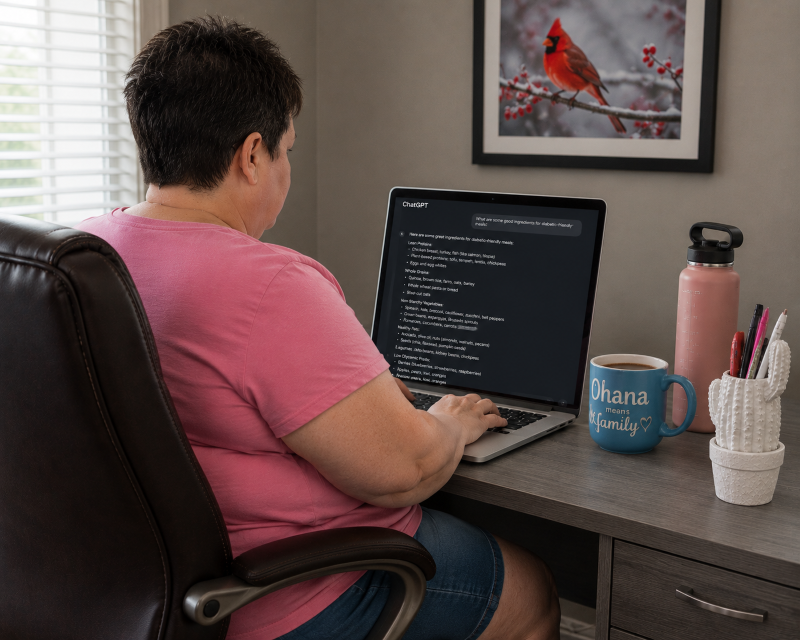
The quality of an AI response often depends on the quality of the instructions it receives. Learning how to communicate with AI effectively can improve results.
- Be specific: Explain exactly what you need, including the purpose, audience, tone, and format.
- Provide context: Give background information so the AI understands your situation.
- Ask follow-up questions: Refine responses instead of accepting the first answer.
- Request different versions: Ask for shorter, simpler, or more professional options.
- Verify important information: Double-check facts before relying on AI-generated content.
- Combine AI with your expertise: Use AI as a productivity partner while applying your own judgment.
How to Choose an AI Personal Assistant
With so many AI tools available, choosing the right AI personal assistant depends on your goals, devices, and privacy needs.
Consider Your Main Needs
- Writing and creativity: Choose tools with strong language and brainstorming abilities.
- Work productivity: Look for assistants that connect with workplace applications.
- Research: Select tools that can analyze and organize information effectively.
- Daily organization: Consider assistants that work with calendars, reminders, and planning tools.
Think About Privacy
Before choosing an AI assistant, review privacy settings and understand how your information is stored and used. Businesses handling confidential information may require more secure enterprise AI solutions.
Look at Device Compatibility
The best AI assistant is often the one that works smoothly with the devices and apps you already use every day.
Are AI Personal Assistants Worth It?
For many people, AI personal assistants are valuable tools for improving productivity, saving time, and reducing repetitive work. The benefits are greatest when AI is used as a support tool rather than a complete replacement for human skills.
AI personal assistants are especially helpful for:
- Busy professionals: Managing emails, organizing meetings, preparing documents, and improving workflow.
- Students: Creating study guides, summarizing information, and explaining difficult concepts.
- Small business owners: Developing marketing ideas, writing customer responses, and planning content.
- Freelancers and content creators: Brainstorming ideas, creating drafts, and organizing projects.
- Families: Planning meals, organizing schedules, and preparing travel plans.
However, AI is less useful for situations that require professional expertise, emotional support, personal experience, or complex decisions involving significant consequences.
Frequently Asked Questions About AI Personal Assistants
Are AI personal assistants free?
Many AI personal assistants offer free versions with basic features. Paid plans typically provide additional tools, higher usage limits, and more advanced capabilities.
Which AI personal assistant is best?
The best AI personal assistant depends on your needs. ChatGPT is popular for writing, brainstorming, and general assistance. Google Gemini works well for people who use Google services, while Microsoft Copilot is designed for workplace productivity.
Can AI personal assistants manage schedules?
Yes. Many AI tools can help organize calendars, create reminders, prioritize tasks, and assist with daily planning.
Is AI safe to use?
AI can be a valuable productivity tool when used responsibly. Avoid sharing sensitive personal, financial, medical, or confidential business information, and always review privacy settings before using an AI service.
Will AI replace human assistants?
AI is unlikely to completely replace human assistants. Instead, it will likely support them by handling repetitive tasks and allowing more time for communication, creativity, planning, and relationship building.
Can AI assistants improve productivity?
Yes. When used correctly, AI assistants can reduce repetitive work, speed up research, improve organization, and help users complete tasks more efficiently.
Conclusion: Are AI Personal Assistants Really Time Savers?
AI personal assistants have introduced a new era of digital productivity. These tools can help people write faster, organize schedules, research information, plan activities, and manage everyday responsibilities.
However, the greatest benefits come from viewing AI as a productivity partner rather than a replacement for human skills. Accuracy, creativity, emotional intelligence, and critical thinking still require human involvement.
The best way to start using AI is with simple tasks such as drafting an email, summarizing an article, organizing a schedule, or brainstorming ideas. As you become more comfortable, you can explore additional ways AI can support your personal and professional life.
When used thoughtfully, AI personal assistants can reduce busywork, improve productivity, and give people more time to focus on the tasks that matter most.