Preventing Costly Damage to Outdoor Ponds
5 min read
810 words
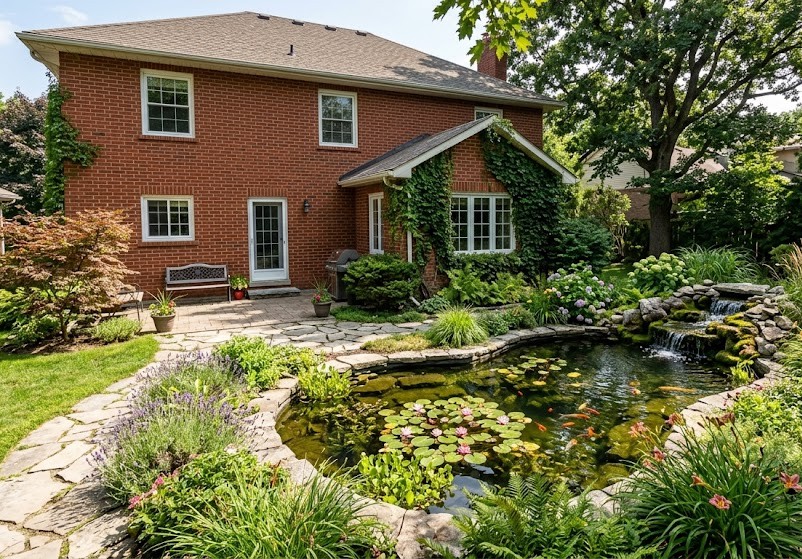
Outdoor ponds are a beautiful addition to any garden, creating a peaceful atmosphere while supporting fish, aquatic plants, and local wildlife. Whether you have a small backyard water feature or a larger decorative pond, regular care is essential to keeping it healthy and attractive.
However, without proper maintenance, small issues can quickly develop into expensive repairs. Problems such as water leaks, poor filtration, algae growth, and damaged equipment can affect the pond’s ecosystem and lead to costly restoration work.
The good news is that most major pond problems are preventable. By taking a proactive approach to outdoor pond maintenance, you can protect your investment, support a healthy environment for fish and plants, and keep your garden pond looking its best throughout the year.
Inspect Your Pond Regularly
Routine inspections are one of the easiest ways to prevent costly damage to outdoor ponds. Spend a few minutes each week checking for anything unusual, such as:
- Falling water levels
- Cracks around the pond edge
- Damaged pipework
- Blocked skimmers
- Unusual algae growth
- Fish showing signs of stress
Spotting these warning signs early allows you to fix minor issues before they become much larger and more expensive problems.
Maintain Healthy Water Quality
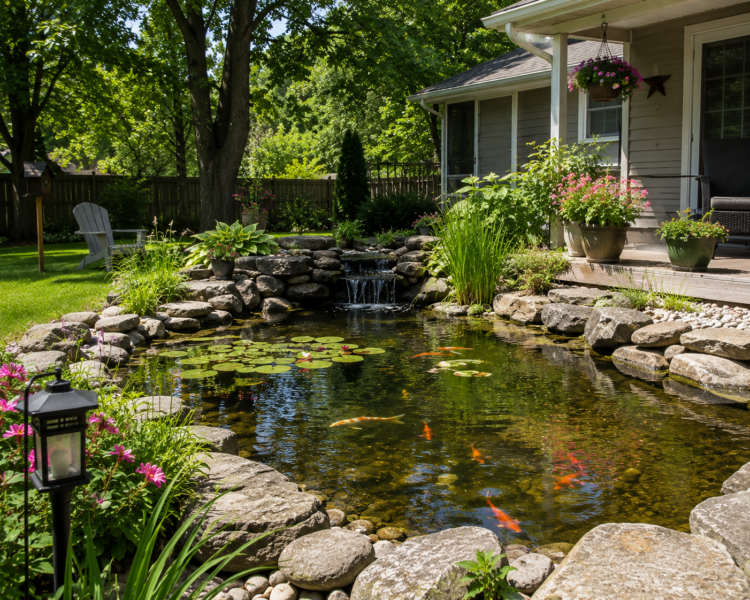
Poor water quality is one of the biggest causes of pond deterioration. Dirty water can damage pumps, encourage algae blooms, and create unhealthy conditions for fish and aquatic plants.
To maintain balanced water quality:
- Remove fallen leaves and organic debris.
- Avoid overfeeding fish.
- Test water parameters regularly.
- Perform partial water changes when needed.
- Keep filtration systems running efficiently.
Healthy water reduces strain on your pond’s equipment while creating a stable environment for all aquatic life.
Keep Pumps and Filters Clean
Your outdoor pond’s circulation system works continuously to keep water moving and oxygenated. Pumps and filters naturally collect dirt, sludge, and plant material over time.
Ignoring routine cleaning forces equipment to work harder, shortening its lifespan and increasing electricity usage. Cleaning filters according to the manufacturer’s recommendations and removing debris from pump intakes helps maintain efficient operation while reducing the risk of unexpected failures.
Replacing worn components before they fail completely is often far less expensive than replacing an entire system.
Prevent Leaks Before They Worsen
Even a small leak can waste large amounts of water over time and potentially damage surrounding landscaping. Many pond owners mistake slow leaks for evaporation, allowing problems to worsen unnoticed.
If you notice frequent drops in water level, investigate the cause immediately. Common sources include damaged pipe connections, overflowing waterfalls, or punctured liners. Professional pond liner repair from aquamaintenance.net can restore damaged liners before leaks become severe enough to require a complete replacement.
Early repairs are almost always more affordable than rebuilding an entire pond.
Control Plant Growth
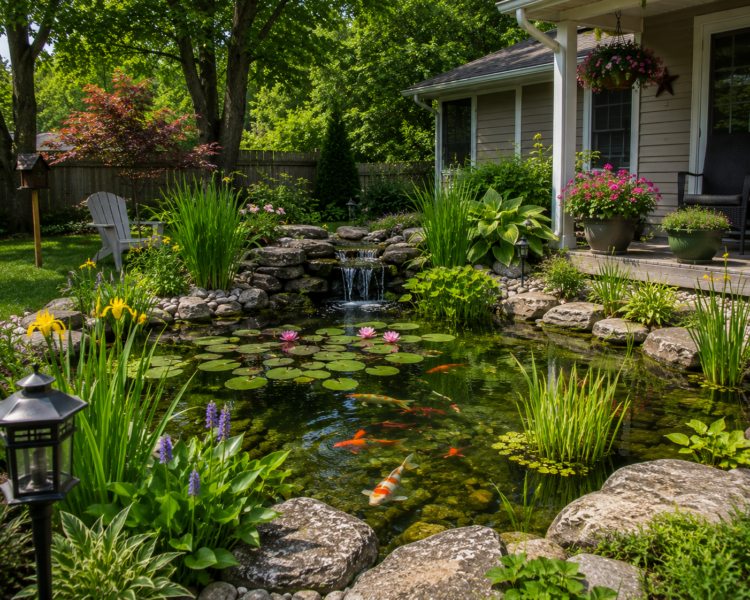
Aquatic plants are essential for a healthy pond, but excessive growth can create several problems. Overgrown plants restrict water circulation, trap debris, and place additional strain on filtration equipment.
Regular pruning helps maintain a balanced ecosystem while preventing plants from taking over the pond. Removing dead foliage also reduces the amount of decaying organic matter entering the water.
Maintaining a good balance between open water and plant coverage allows fish, beneficial bacteria, and filtration systems to work more effectively.
Protect Your Pond During Every Season
Seasonal maintenance plays an important role in preventing expensive repairs.
During autumn, remove falling leaves before they sink and decompose. In winter, ensure ice does not completely seal the pond surface if fish remain inside. Spring is the ideal time for equipment inspections and thorough cleaning after colder weather. During summer, monitor water levels closely and manage algae before it spreads.
Adjusting your maintenance routine throughout the year helps prevent seasonal conditions from causing unnecessary damage.
Avoid Overcrowding Fish
Adding too many fish may seem harmless at first, but overcrowding increases waste production and places extra pressure on filtration systems. Poor water quality can develop rapidly, leading to disease outbreaks and expensive treatment.
Maintain appropriate stocking levels based on your pond’s size and filtration capacity. Healthy fish produce less waste, require fewer interventions, and contribute to a more balanced ecosystem.
Address Small Problems Quickly
One of the biggest mistakes pond owners make is delaying repairs. A loose hose, minor leak, or failing pump may seem insignificant, but these issues often become much more expensive when ignored.
Creating a simple maintenance schedule helps ensure routine tasks are completed before problems escalate. Regular cleaning, inspections, and prompt repairs protect both your equipment and your pond’s overall health.
Conclusion
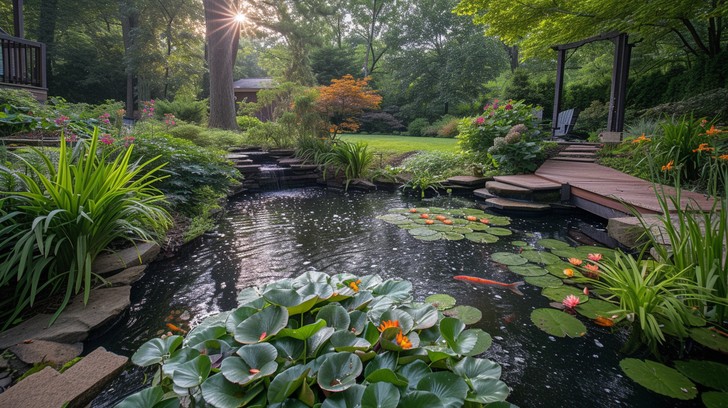
Preventing costly damage to an outdoor pond comes down to consistency. Regular inspections, clean equipment, balanced water quality, and timely repairs all work together to extend the life of your pond while reducing unexpected expenses.
With a little ongoing care throughout the year, your outdoor pond can remain a beautiful, healthy feature that provides enjoyment for many years without the burden of major repair costs.