
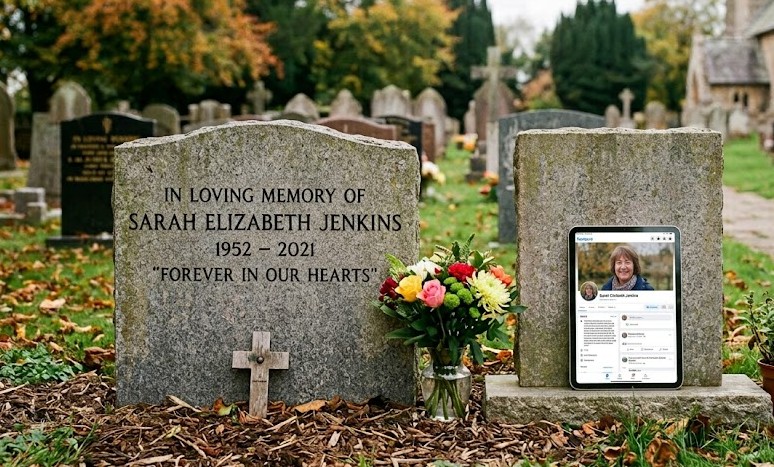
Digital Legacy: What Happens to Your Online Accounts
6 min read
1016 words
In today’s interconnected world, almost every aspect of our lives has an online component. From the photos we share and the emails we send to online banking, shopping, and social media, our digital presence continues to grow. But have you ever stopped to consider what happens to your online accounts and digital assets after you’re gone? Understanding your digital legacy is an important part of modern estate planning. A digital legacy is the collection of your online accounts, digital assets, passwords, documents, photos, videos, and other information that remains after your death or if you become unable to manage your accounts. Planning ahead helps protect your personal information, preserves treasured memories, and makes it easier for your loved ones to manage your digital affairs according to your wishes.
What Is Included in a Digital Legacy?
You might be surprised by how many digital assets make up your digital legacy. It extends far beyond social media and includes many aspects of everyday life.
- Email accounts: Often the gateway to many other online services.
- Social media profiles: Facebook, Instagram, X (formerly Twitter), LinkedIn, TikTok, Pinterest, and more.
- Cloud storage: Google Drive, iCloud, Dropbox, and OneDrive containing important files and memories.
- Photos and videos: Family photos, home videos, and digital albums stored online.
- Online banking and investment accounts: Financial accounts requiring careful management.
- Cryptocurrency and digital wallets: Bitcoin, Ethereum, NFTs, and other digital investments.
- Subscription services: Streaming platforms, software subscriptions, and membership services.
- Blogs and websites: Personal blogs, business websites, and online portfolios.
- Domain names: Valuable digital property connected to websites.
- Online businesses: E-commerce stores, digital products, freelance accounts, and marketplaces.
- Loyalty and rewards programs: Airline miles, hotel points, and retail reward programs.
- Digital documents: Tax records, insurance documents, legal paperwork, and important files.
Why Digital Legacy Planning Is Important
As more financial records, family photos, legal documents, and even businesses move online, digital legacy planning has become just as important as creating a traditional will. Without clear instructions, loved ones may spend months trying to locate accounts, recover important files, or cancel subscriptions that continue charging after your death.
Without a digital legacy plan, your family may struggle to:
- Access important online accounts.
- Preserve treasured family photos and videos.
- Close or memorialize social media accounts.
- Cancel recurring subscriptions.
- Recover valuable digital assets, including cryptocurrency.
- Manage websites or online businesses.
- Protect your identity from fraud.
Some online accounts may become permanently inaccessible if no one knows they exist or has permission to access them. Creating a plan today can save your loved ones unnecessary stress during an already difficult time.
How to Create a Digital Legacy Plan

Creating a digital legacy plan doesn’t have to be complicated. A few simple steps can make managing your online life much easier for your family.
- Make a complete list of your online accounts.
- Record usernames in a secure location.
- Store passwords using a trusted password manager with emergency access features.
- Name a trusted digital executor if permitted in your jurisdiction.
- Document your wishes for social media accounts.
- Back up important photos, videos, and documents.
- Review and update your plan regularly.
Digital Legacy Checklist
Use this checklist to help organize your digital life:
- ✔ List all online accounts.
- ✔ Store passwords securely.
- ✔ Enable legacy contact or inactive account settings.
- ✔ Back up family photos and important documents.
- ✔ Document cryptocurrency wallets and digital investments.
- ✔ Choose someone you trust to carry out your wishes.
- ✔ Update your digital legacy plan every year.
Helpful Tools for Managing Your Digital Legacy
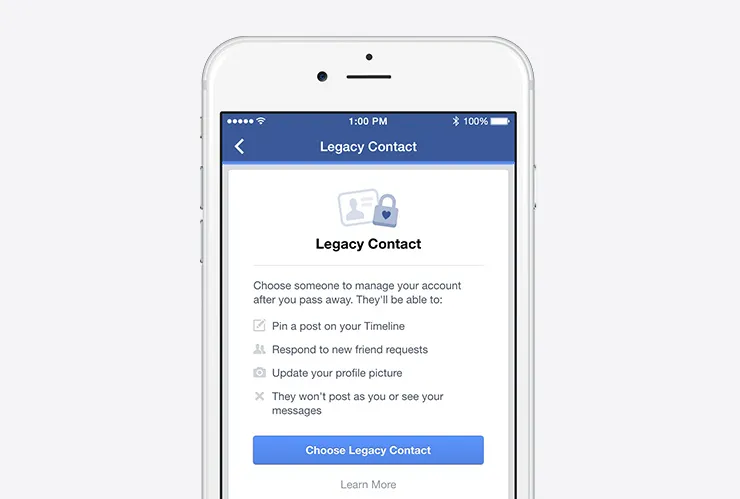
Several technology companies now offer built-in features that help users prepare for the future.
- Apple Legacy Contact: Allows trusted contacts to access your iCloud account after your death.
- Google Inactive Account Manager: Lets you decide what happens to your Google account if it becomes inactive.
- Facebook Legacy Contact: Allows a trusted person to manage a memorialized Facebook account.
Many other online services also offer account recovery, memorialization, or account deletion options. Taking a few minutes to review the settings on your most frequently used accounts today can make things much easier for your loved ones in the future.
Legal Considerations
Rules surrounding digital assets vary depending on where you live and the policies of each online service. Some companies allow designated contacts to access certain information, while others may require legal documentation before releasing account details.
It is also important not to include passwords directly in your will, as wills often become public documents during probate. Instead, store passwords securely in a password manager or encrypted file and ensure your trusted person knows how to access your instructions.
Who Should Have a Digital Legacy Plan?

Almost everyone who uses the internet can benefit from creating a digital legacy plan, especially if you:
- Store family photos online.
- Shop or bank online.
- Use social media regularly.
- Own a website or blog.
- Have cryptocurrency or digital investments.
- Run an online business.
Frequently Asked Questions
What happens to my social media accounts when I die?
Many social media platforms allow accounts to be memorialized or permanently deleted after receiving the required documentation from family members.
Can my family access my email accounts?
Not automatically. Access depends on the provider’s policies, your account settings, and applicable privacy laws.
Should I include passwords in my will?
No. Because wills often become public during probate, passwords should be stored separately in a secure password manager or encrypted document.
Who should have a digital legacy plan?
Anyone with online accounts, digital photos, financial accounts, websites, or social media profiles should consider creating a digital legacy plan.
Closing Thoughts
Creating a digital legacy plan is one of the simplest ways to protect your online life and make things easier for the people you care about. Whether you have a handful of social media accounts or manage an online business, organizing your digital assets today can prevent unnecessary stress tomorrow.
As our lives become increasingly digital, planning for what happens to your online accounts is becoming an essential part of estate planning. Taking the time now to organize your digital legacy can help preserve cherished memories, protect valuable information, and ensure your wishes are carried out long into the future.