
Carbon Monoxide Poisoning: Protect Your Family at Home
8 min read
1462 words
We diligently check our smoke alarms, lock our doors and take precautions to keep our families safe. But there is another household danger that deserves just as much attention: carbon monoxide poisoning.
Often called the silent killer, carbon monoxide (CO) is a poisonous gas that has no colour, smell or taste. It is produced when fuels such as natural gas, propane, gasoline, oil, wood and charcoal burn. Because our senses cannot detect it, carbon monoxide can accumulate inside a home without anyone realizing there is a problem.
Exposure can cause serious illness, permanent injury or death. Understanding where carbon monoxide comes from, recognizing the warning signs and maintaining working carbon monoxide alarms are important steps in protecting everyone in your household.
What Makes Carbon Monoxide So Dangerous?
Carbon monoxide is produced by the incomplete burning of fuels. This can happen when fuel-burning appliances are malfunctioning, improperly installed, poorly maintained or not adequately vented.
Common sources include furnaces, fireplaces, water heaters, gas stoves, vehicles, portable generators and other equipment that burns fuel.
When a person breathes in carbon monoxide, the gas enters the bloodstream and attaches to hemoglobin, the protein in red blood cells that normally carries oxygen. This reduces the blood’s ability to deliver oxygen throughout the body. The brain and heart are particularly vulnerable because they need a steady supply of oxygen to function properly.
What makes carbon monoxide especially dangerous is that people may not realize they are being exposed. Early symptoms can resemble the flu or an ordinary headache, and exposure can become life-threatening without an obvious warning.
Recognizing the Symptoms of Carbon Monoxide Poisoning
Carbon monoxide poisoning does not always begin with dramatic symptoms. At lower levels of exposure, a person may experience a headache, tiredness or nausea and assume they are simply unwell.
Symptoms can vary depending on the concentration of carbon monoxide in the air, how long someone has been exposed and their individual health.
Early symptoms may include:
- Dull or persistent headache
- Dizziness or lightheadedness
- Nausea or vomiting
- Unusual tiredness or weakness
- Confusion or difficulty concentrating
- Shortness of breath
More serious exposure can cause chest pain, difficulty walking, impaired coordination, vision problems, loss of consciousness, seizures and death.
Infants, older adults, pregnant people and individuals with heart or respiratory conditions may be particularly vulnerable to the effects of carbon monoxide.
One warning sign worth knowing is when several people in the same household develop similar symptoms. If symptoms occur mainly inside the home and improve after going outdoors, carbon monoxide exposure should be considered. However, do not wait for symptoms to improve or try to confirm the cause yourself. Leave the building and seek emergency assistance.
Your First Line of Defence: Carbon Monoxide Alarms
A working carbon monoxide alarm is one of the most important ways to protect your household. Unlike a smoke alarm, which detects smoke from a fire, a CO alarm is designed to detect carbon monoxide in the air and sound an alert when its sensing requirements are met.
A carbon monoxide alarm should not be treated as a substitute for properly maintained heating equipment, but it provides an important warning when dangerous levels are detected.
When purchasing an alarm in Canada, look for a product certified for Canadian use. Certification marks may include CSA, ULC, cUL or cETL.
Where Should You Install Carbon Monoxide Alarms?
Health Canada recommends installing carbon monoxide alarms in hallways outside sleeping areas and preferably having one on each floor of the home.
In Ontario, the Fire Code also sets out specific requirements for homes with fuel-burning appliances, fireplaces and certain other potential sources. Generally, alarms must be installed adjacent to sleeping areas and on storeys without sleeping areas where required.
For proper placement:
- Near bedrooms: Install alarms in hallways outside sleeping areas so occupants can hear them while sleeping.
- On each level: Having an alarm on every floor provides additional protection throughout the home.
- Follow the manufacturer’s instructions: Installation height and positioning can vary by model. Do not assume every CO alarm belongs at the same height.
- Consider attached garages: Vehicle exhaust can enter a home from an attached garage. Follow local requirements and the alarm manufacturer’s placement instructions.
Avoid placing alarms where excessive humidity, dust or other environmental conditions may interfere with their operation. The manufacturer’s instructions should always take priority when choosing the exact location.
Carbon Monoxide Alarm Maintenance
Installing an alarm is only the first step. It must also be kept in working condition.
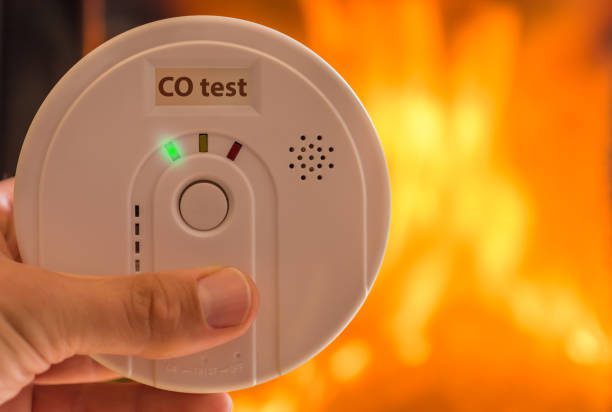
Test your carbon monoxide alarms regularly using the test button and follow the manufacturer’s instructions for battery replacement and maintenance. If the alarm has a backup battery, make sure it is maintained as directed.
Carbon monoxide alarms have a limited service life. Check the expiry or replacement date printed on the unit and replace it when required. Do not assume an alarm is still reliable simply because it continues to make a sound when tested.
If an alarm is damaged, missing its expiry information or displaying a fault warning, consult the manufacturer’s instructions and replace it if necessary.
Common Sources of Carbon Monoxide in the Home
Carbon monoxide can come from many familiar household appliances and equipment that burn fuel. Problems with installation, ventilation or maintenance can allow the gas to build up indoors.
Common sources include:
- Gas furnaces and boilers
- Gas water heaters
- Gas stoves and ovens
- Wood-burning and gas fireplaces
- Fuel-burning clothes dryers
- Portable generators
- Gasoline-powered equipment
- Vehicles running in or near attached garages
- Barbecues and charcoal grills used indoors
Knowing where carbon monoxide comes from makes it easier to take practical steps to prevent exposure.
How to Prevent Carbon Monoxide Poisoning
Prevention begins with proper appliance maintenance and using fuel-burning equipment safely. A few routine precautions can make a meaningful difference.
Have fuel-burning appliances inspected annually. Arrange for a qualified professional to inspect your furnace, water heater, fireplace and other fuel-burning appliances. Ideally, schedule heating-system maintenance before the colder months when these appliances are used more frequently.
Keep vents and chimneys clear. Check outdoor vents and chimney openings regularly for snow, ice, leaves and other obstructions. Blocked ventilation can prevent combustion gases from escaping safely.
Use generators outdoors only. Never operate a portable generator inside your home, basement, garage, shed or any enclosed or partially enclosed space. Keep it at least 20 feet from the home, with the exhaust directed away from doors, windows and other openings. Follow the manufacturer’s instructions.
Never idle a vehicle in an attached garage. Even with the garage door open, exhaust fumes can enter the home. Move the vehicle outside immediately after starting it.
Keep barbecues outdoors. Gas and charcoal barbecues must never be used inside a house, garage, tent or enclosed porch. They produce carbon monoxide even when they appear to be operating normally.
Use portable fuel-burning heaters correctly. Only use heaters that are approved for indoor use, and follow all ventilation and operating instructions. Never use an outdoor camping stove or barbecue to heat your home.
Never use a gas stove or oven to heat your home. These appliances are designed for cooking, not space heating, and can create dangerous conditions.
What to Do If Your Carbon Monoxide Alarm Sounds
If your carbon monoxide alarm sounds, treat it as an emergency. Do not assume it is a false alarm, and do not waste time trying to find the source.
Follow these steps:
- Get everyone outside immediately. Leave the home and move to fresh air. Make sure children, older family members and pets are accounted for.
- Call 911 from outside. Tell the dispatcher that your carbon monoxide alarm has sounded. Follow the instructions provided by emergency responders.
- Do not go back inside. Wait until emergency personnel have assessed the situation and confirmed that it is safe to return.
- Seek medical attention if anyone feels unwell. Headaches, dizziness, nausea, confusion or other symptoms following possible exposure require prompt medical assessment.
Do not re-enter the building simply because the alarm stops sounding. Carbon monoxide may still be present.
Protecting Your Family Starts with Awareness
Carbon monoxide is an invisible danger, but there are practical ways to reduce the risk in your home. Working carbon monoxide alarms, properly maintained fuel-burning appliances and safe equipment use all play an important role in preventing poisoning.
Take a few minutes to check your alarms today. Confirm that they are working, check their expiry dates and make sure they are installed in appropriate locations. If you have not had your furnace or other fuel-burning appliances inspected recently, arrange for a qualified technician to do so.
These simple precautions can help protect your household from a danger that cannot be seen, smelled or tasted.
This article is for general home-safety information and is not a substitute for advice from your local fire department, a qualified heating professional or emergency services.