Are AI-Generated Dating Profile Pictures Making It Harder to Find Love?
6 min read
1170 words
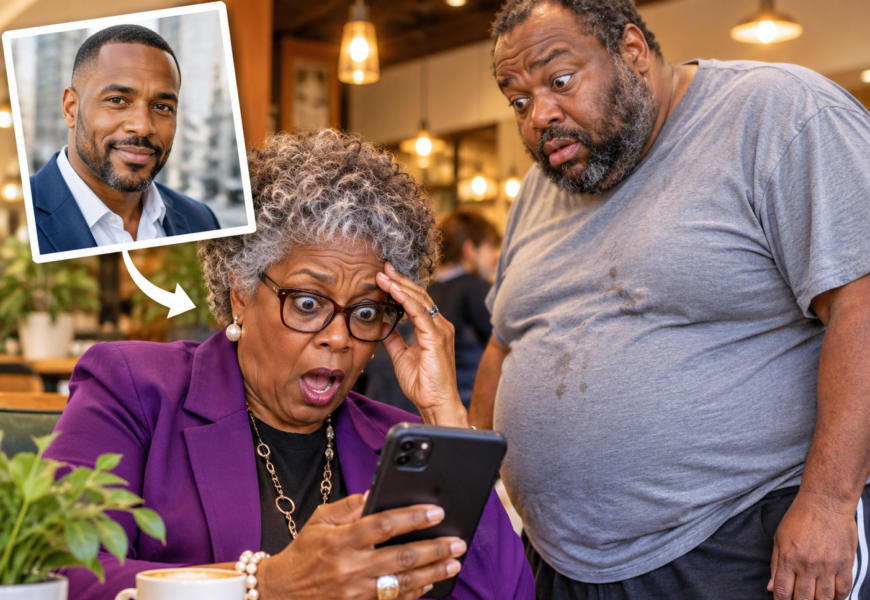
Online dating has never been without its challenges, but artificial intelligence (AI) is introducing a new concern for people looking for genuine relationships. How do you know whether the attractive person in a dating profile actually looks like their photographs? In my previous article, How to Meet Celebrity-Type People on Dating Sites, I discussed finding attractive singles online and creating a dating profile that makes a good first impression. However, there is another side to online dating worth discussing. According to a CBS News article by Mary Cunningham, men are using AI-generated images to improve their appearance and make their dating profiles more appealing to women. Some are making relatively minor changes, such as improving their hairstyle, clothing, or facial expression, while others are creating entirely artificial photographs. Although wanting to look your best in a profile picture is understandable, there is a difference between improving a photograph and presenting someone with an image that does not accurately represent you.
Are Men Using AI to Make Themselves Look Better on Dating Sites?
AI photo generators make it easier than ever to create polished photographs without hiring a professional photographer or even leaving home. Someone can upload a few selfies and use artificial intelligence to produce pictures of themselves wearing expensive clothing, standing in beautiful locations, or appearing more physically fit. Some changes may be subtle enough that another person would not immediately recognize that AI was involved. Others can significantly change someone’s appearance, body shape, age, or surroundings. The concern is not necessarily that someone wants a more flattering photograph, but that potential matches may be led to believe they are looking at an accurate representation of the person they are considering dating. As AI image-generation technology improves, distinguishing between a heavily edited photograph and a completely artificial image is becoming more difficult.
AI-Generated Profile Pictures Are Showing Up on Facebook Too
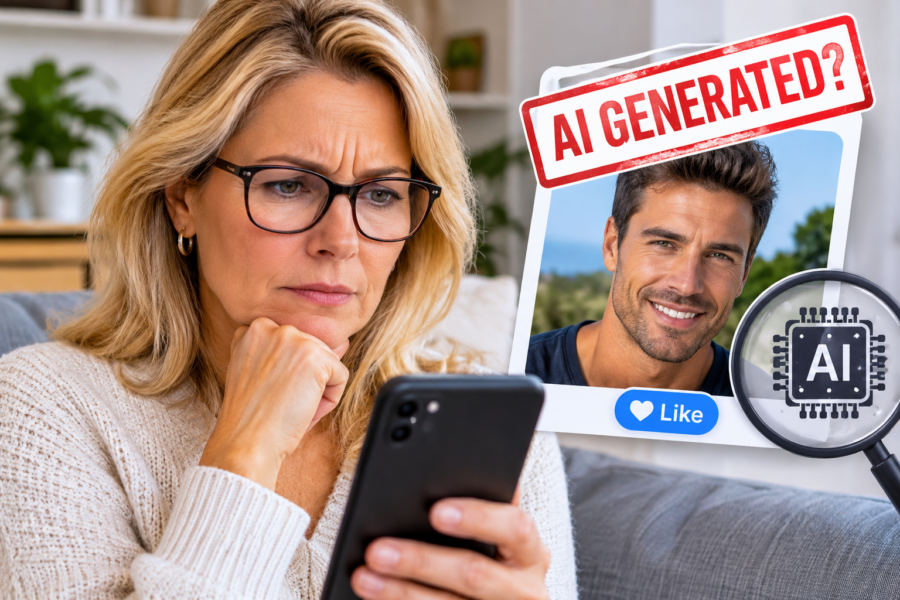
I have noticed more AI-generated profile pictures appearing on Facebook, and it makes me wonder how many people realize that the photographs they are looking at may not be genuine. Some images look almost too polished, with perfect lighting, flawless skin, unusually detailed backgrounds, and appearances that seem more like something from a magazine than an everyday photograph. Of course, not every attractive or professional-looking photograph is AI-generated, and we should be careful about making assumptions based on appearance alone. However, when someone uses an artificial image as their profile picture, particularly when presenting themselves as a real person looking to make connections, transparency becomes important. This concern goes beyond dating because Facebook is also a place where people make friends, reconnect with others, join communities, and communicate with strangers. I am glad I am not single and navigating today’s online dating world, because trying to determine whether someone is genuine or simply presenting an AI-created version of themselves sounds like another complication nobody needs.
How Can You Tell If a Dating Profile Picture Is AI-Generated?
There are a few things worth looking for when viewing photographs on dating sites or social media. AI-generated images sometimes contain unusual details, such as distorted fingers, strangely shaped teeth, inconsistent jewellery, unrealistic backgrounds, or objects that do not quite make sense. You may also notice that someone’s skin appears unusually smooth, their facial features look almost identical in every photograph, or their pictures seem to have an artificial quality. However, these clues are not foolproof, and AI technology is improving quickly enough that some generated images are difficult to identify by sight. You can also use a reverse image search to see whether a photograph appears elsewhere online under a different name or identity. This can sometimes reveal stolen photographs or images belonging to another person, although it cannot reliably determine whether a picture was generated by AI. Rather than relying on one suspicious detail, consider the overall profile, the person’s communication, and whether their photographs appear consistent with the information they share.
What Should You Do If You Suspect Someone Is Using Fake Photos?
If you are communicating with someone online and their photographs seem suspicious, you do not have to continue the conversation or explain yourself if something feels wrong. One practical step is to suggest a brief video call before becoming emotionally invested or arranging an in-person meeting. You can also ask ordinary questions about photographs they have shared, such as where they were taken or what they were doing at the time. Pay attention to whether their answers are natural and consistent rather than evasive or constantly changing. Be particularly cautious if someone avoids video calls, makes excuses for never meeting, quickly professes strong romantic feelings, or begins asking for money, gift cards, cryptocurrency, or financial assistance. Never send money or share banking information, passwords, identification documents, or other sensitive personal details with someone you have only met online. If you believe a profile is fake or deliberately misleading, use the platform’s reporting tools and block the account rather than continuing to engage.
Is It Wrong to Use AI to Improve Your Dating Profile?
There is a reasonable difference between using technology to improve a photograph and creating a misleading impression of who you are. Adjusting lighting, cropping an image, or removing a distracting background does not necessarily change someone’s identity or appearance. However, digitally giving yourself a different body, changing your facial features significantly, or creating photographs of places and activities that never happened can create expectations that are difficult to meet in real life. Someone who is genuinely interested in finding a partner should want that person to be attracted to who they actually are, rather than a computer-generated version of themselves. Honesty is particularly important when building a relationship because trust is difficult to establish when the first impression is based on something misleading. Dating profiles do not need to look like professional advertisements, and people should not feel pressured to compete with artificial images to attract attention. A genuine photograph, a little personality, and an honest introduction can be far more valuable than a digitally perfected appearance.
The Problem With Trying to Find a Real Person Online
Artificial intelligence has many useful applications, but online dating is one area where its misuse can create confusion and mistrust. People looking for companionship should not have to wonder whether the person messaging them is genuine, whether their photographs are stolen, or whether the attractive profile they have been admiring was created entirely by AI. It is also worth remembering that not everyone using a fake photograph is simply trying to look better; some fraudulent accounts use stolen or generated images to establish relationships before attempting to scam people. Taking your time, asking questions, using video calls, and protecting your personal information are sensible precautions. I believe people should be able to present themselves confidently online without feeling that they need artificial intelligence to create a more attractive version of who they are. At the end of the day, a real relationship should begin with a real person, not a picture generated to get more attention.