Winter Storm Preparation: 10 Things to Check at Home
11 min read
2174 words
Winter in Canada can bring more than a few snowy mornings and icy driveways. Heavy snowfall, freezing rain, high winds, extreme cold and sudden temperature changes can create significant problems for homeowners. Even when seasonal forecasts suggest milder temperatures overall, individual storms can still bring damaging conditions, power outages and hazardous travel. Homeowners should not wait until a winter storm warning appears to start preparing their properties. Taking the time to inspect your home before a severe winter storm arrives can help prevent costly repairs, reduce the risk of water damage and make your household better prepared for unexpected disruptions.
With winter 2026–2027 approaching, now is a good time to look at the areas of your home that are most vulnerable to winter weather. Some preparation involves simple maintenance, such as cleaning gutters and checking weatherstripping, while other tasks may require professional attention. Here are 10 important things to check around your home before the next major Canadian winter storm.
1. Inspect Your Roof and Clean Your Gutters
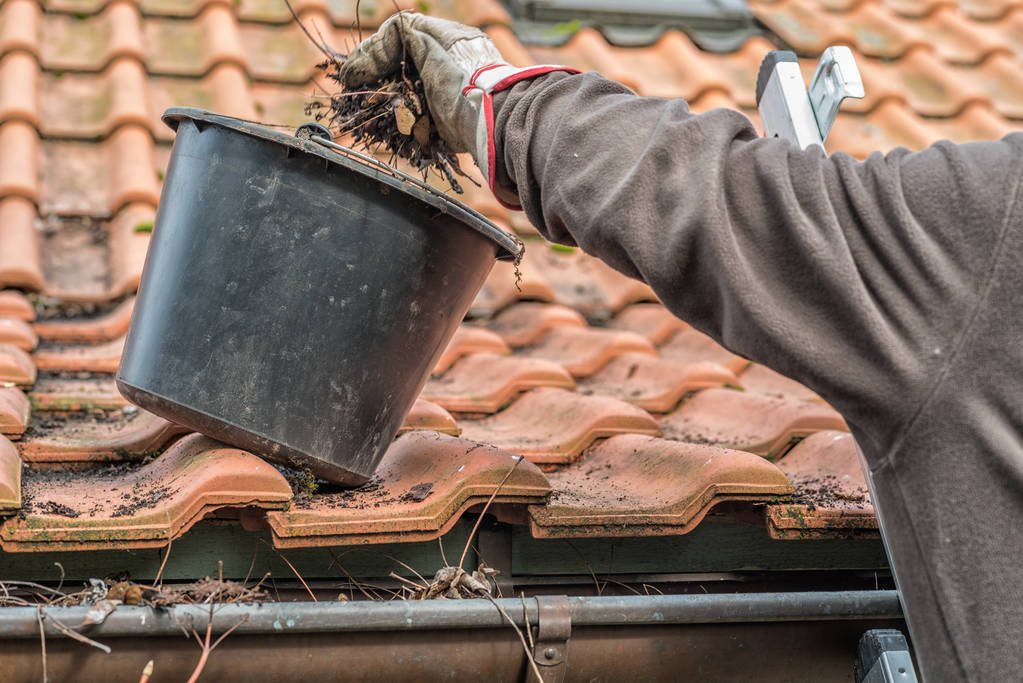
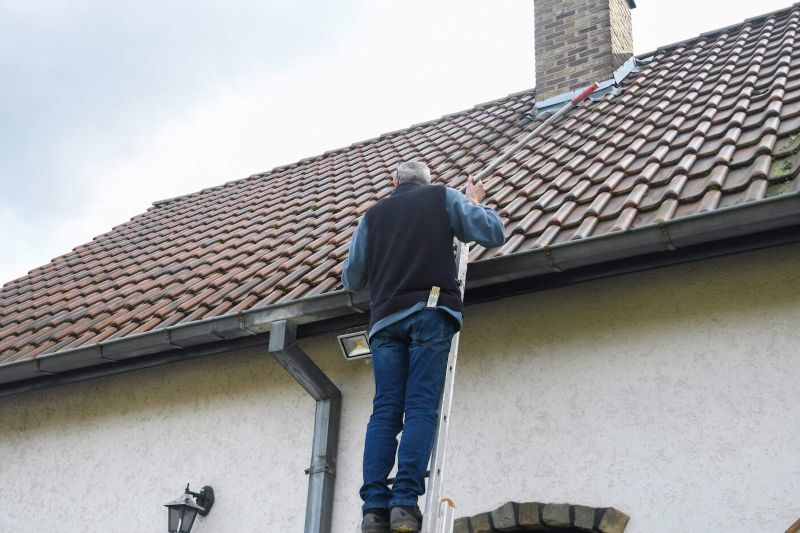
Your roof is one of the most important areas to inspect before winter because it must withstand snow accumulation, freezing rain, fluctuating temperatures and strong winds. Heavy, wet snow can place considerable weight on a roof, particularly when several snowfalls occur without enough melting between storms. Look for missing, cracked or curling shingles, loose flashing around chimneys and vents, and signs of previous water leaks. If you notice sagging areas or visible damage, arrange for a qualified roofing professional to inspect the problem before winter conditions make repairs more difficult.
While inspecting your roof, do not overlook your gutters and downspouts. Leaves, twigs and other debris can prevent rainwater and melting snow from draining properly, increasing the potential for ice buildup and drainage problems. Make sure gutters are securely attached and downspouts direct water away from your home’s foundation. It is also worth checking your attic insulation and ventilation because uneven roof temperatures can contribute to ice dam formation. Ice dams can prevent melting snow from draining properly and potentially allow water to enter your home.
2. Check Windows and Exterior Doors for Drafts
Small gaps around windows and exterior doors can allow warm air to escape while bringing cold outdoor air into your home. During extended periods of extreme cold, these drafts can make certain rooms uncomfortable and increase the demand on your heating system. Inspect the weatherstripping around doors and windows for cracks, gaps or areas where the material has become loose or damaged. Also examine the caulking around window frames and exterior openings, replacing deteriorated sealant where necessary.
Older windows and doors may require additional attention, particularly if you notice condensation, cold surfaces or visible gaps around the frames. Window insulation film can provide an additional barrier against drafts in some situations, although it is not a substitute for repairing damaged seals. Check that exterior doors close securely and that their bottom seals make proper contact with the threshold. Addressing these issues before temperatures drop can help improve indoor comfort and reduce unnecessary heat loss.
3. Protect Your Pipes From Freezing
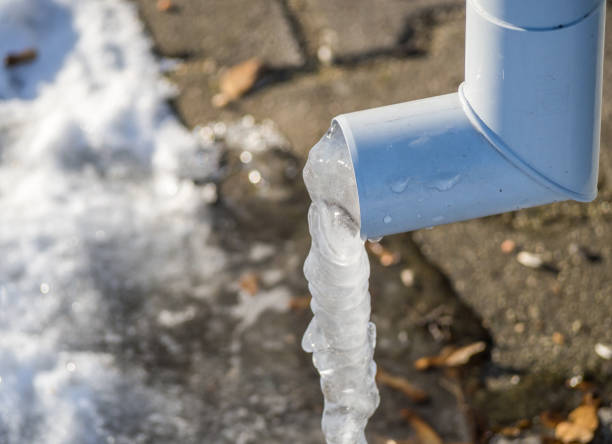
Frozen pipes are a common winter concern for Canadian homeowners, particularly during prolonged periods of extreme cold. When water freezes inside a pipe, it expands and can create enough pressure to cause the pipe to crack or burst. The damage may not become obvious until temperatures rise and the ice begins to melt, allowing water to escape into walls, ceilings, floors or finished basement areas. Start by identifying pipes located in unheated spaces, including basements, crawl spaces, garages and areas near exterior walls. Check for exposed plumbing and make sure appropriate pipe insulation is installed wherever necessary.
Outdoor faucets and garden hose connections also deserve attention before freezing temperatures arrive. Disconnect garden hoses and follow the manufacturer’s instructions for winterizing exterior water connections. During extreme cold, keep your home’s temperature consistent, even if you are away for a short period. If you are planning an extended winter vacation, arrange for someone to check your property and understand your insurance policy’s requirements for maintaining heat while you are away. It is also important to know where your main water shut-off valve is located in case a pipe begins leaking.
4. Have Your Heating System Inspected
A heating system that stops working during an extended cold spell can quickly become more than an inconvenience. Before winter arrives, consider arranging maintenance with a qualified heating technician to make sure your furnace or other heating equipment is operating properly. A technician can inspect important components, identify potential problems and advise whether repairs or adjustments are needed. Homeowners should also check their furnace filters regularly, replacing them according to the manufacturer’s recommendations. A dirty filter can restrict airflow and make the heating system work harder than necessary.
Make sure heating vents and cold air returns are not blocked by furniture, rugs or stored belongings. If you use a fireplace or wood-burning stove, arrange for the chimney and flue to be inspected and cleaned as recommended to reduce the risk of a chimney fire. Smoke alarms and carbon monoxide detectors should also be tested before the heating season gets underway. Homes with fuel-burning appliances, fireplaces or attached garages should have working carbon monoxide detectors in appropriate locations. These simple checks can help identify problems before the coldest weather arrives.
5. Inspect Trees and Secure Outdoor Belongings
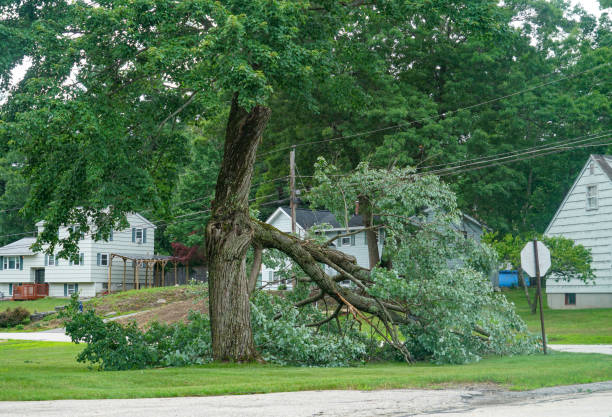
Trees can become a significant concern during winter storms, particularly when heavy snow and freezing rain accumulate on branches. Ice adds weight to trees and can cause weakened or damaged limbs to break, sometimes falling onto roofs, vehicles, fences or power lines. Walk around your property and look for dead branches, cracked limbs, leaning trees and signs of decay. Pay particular attention to branches hanging directly over your home, driveway, garage or frequently used walkways. If you identify potentially dangerous branches, contact a qualified tree-care professional.
Strong winter winds can also turn everyday outdoor belongings into flying debris. Patio furniture, lightweight planters, garbage bins, recycling containers, garden decorations and loose building materials can all be moved or damaged during high winds. Bring lightweight items indoors or secure them in a sheltered location before severe weather arrives. Check that sheds, gates and outdoor storage areas close properly, and take down decorations that may not withstand strong winds. Never attempt to remove branches near electrical wires yourself; contact your electricity provider if trees or branches are interfering with power lines.
6. Check Your Sump Pump and Basement
Winter weather does not always mean snow and freezing temperatures. Rainfall, melting snow and sudden temperature changes can create drainage problems, especially around homes with basements. If your property has a sump pump, check that it is operating correctly and that the discharge pipe is free of obstructions. Make sure the pump can move water away from the foundation and that the discharge area will not allow water to flow back toward your home. You should also look for previous water stains, damp spots, musty odours and signs of moisture around basement walls and floors.
A power outage can create additional problems if your sump pump relies entirely on electricity. During heavy rain or rapid snowmelt, a pump that stops working may leave your basement vulnerable to flooding. Depending on your home’s drainage system, a battery backup sump pump may be worth considering. Check that any existing backup system is working and that batteries are in good condition. Taking these precautions before winter storms arrive can help reduce the risk of unexpected basement water damage.
7. Prepare Your Driveway, Walkways and Garage
Snow and freezing rain can make driveways, steps and walkways slippery, uneven and difficult to navigate. Before winter arrives, inspect the surfaces around your home for loose paving stones, cracks, uneven sections and damaged steps. Check that handrails are securely attached and that outdoor lighting provides enough visibility around entrances and pathways. Poor lighting can make it difficult to identify icy patches, particularly during the shorter days of winter. Making necessary repairs before freezing temperatures arrive can help reduce the risk of slips and falls.
Winter equipment should also be checked before the first significant snowfall. Make sure you have a suitable snow shovel, ice scraper and ice-melting product appropriate for your driveway and walkway surfaces. If you own a snowblower, check its condition before you depend on it during a storm. While inspecting your garage, check the rubber weather seal along the bottom of the garage door for cracks, flattened sections or missing pieces. Make sure the garage door operates properly and that any pipes or temperature-sensitive items stored in an unheated garage are adequately protected.
8. Prepare for a Winter Power Outage
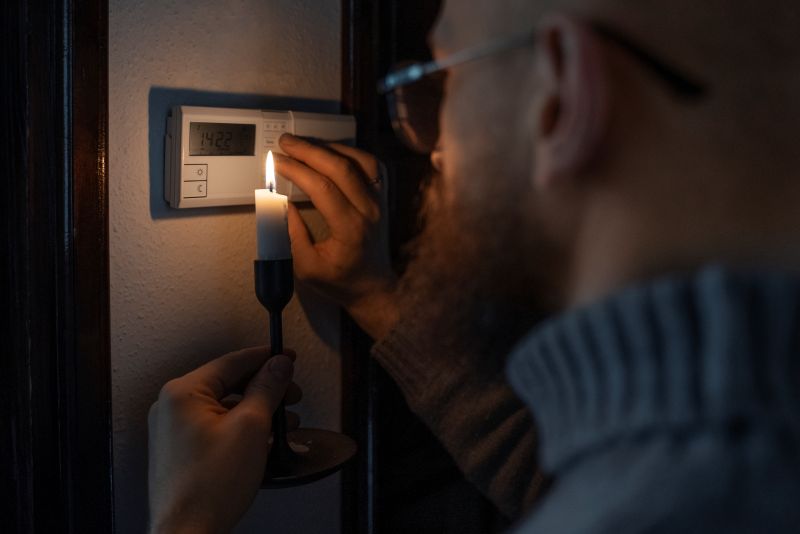
Freezing rain, heavy snow and strong winds can damage trees and electrical infrastructure, leaving homes without electricity. Depending on the extent of the damage and weather conditions, power restoration may take longer than expected. Think about what your household would need if the electricity went out overnight or for an entire day. Flashlights, extra batteries, portable phone chargers, a battery-powered or hand-crank radio and warm blankets are useful supplies to keep together in an accessible location. Charging portable power banks before severe weather arrives can also help ensure that you have a way to keep essential devices operating.
Food and water should be part of your household emergency planning as well. Keep drinking water, non-perishable food, a manual can opener and necessary medications available in case travelling to a store becomes difficult. If someone in your household relies on electrically powered medical equipment or other essential devices, arrange an appropriate backup plan in advance. A generator may be an option for some households, but it must always be operated outdoors, well away from doors, windows and vents. Never operate a portable generator inside a home, garage or enclosed area because of the risk of carbon monoxide poisoning.
9. Review Your Emergency Supplies and Home Insurance
Before winter gets underway, take inventory of your household emergency supplies and identify anything that needs replacing. A household emergency kit should include drinking water, shelf-stable food, a first-aid kit, flashlights, batteries, warm blankets and extra clothing. A manual can opener is also useful if you keep canned food as part of your emergency supply. Check expiry dates and make sure supplies are appropriate for the number of people in your household. Consider additional items for children, older adults and pets, including medications and personal hygiene products.
It is also worth reviewing your home insurance policy before winter weather arrives. Check what types of water damage are covered, whether you have sewer backup or overland water coverage, and whether there are conditions relating to maintaining heat in your home while you are away. Insurance policies differ, so do not assume every type of winter-related damage is automatically covered. Take photographs of your home’s exterior, major appliances and valuable belongings, and keep important documents somewhere accessible. If you have questions about exclusions, deductibles or coverage limits, contact your insurance provider before you need to make a claim.
10. Make a Winter Storm Plan for Your Household
Preparing your property is important, but every household should also consider how it will manage if severe weather disrupts normal routines. Discuss where emergency supplies are stored, how everyone will receive weather alerts and what to do if the electricity or heating system stops working. Make sure household members know how to contact one another if a storm affects travel or communication. If a winter storm is forecast, charge mobile phones and portable power banks, check that vehicles have suitable winter supplies and avoid unnecessary travel once conditions become hazardous.
Consider the needs of anyone who may require additional assistance during severe weather, including young children, older adults, people with mobility limitations and pets. Make sure there are adequate warm clothing, blankets, food and other essential supplies available for everyone in the household. It is also helpful to check on family members or neighbours who may have difficulty preparing for a storm independently. Having a plan in place can reduce confusion and make it easier to respond if a power outage, heavy snowfall or extreme cold lasts longer than expected.
Final Thoughts: Prepare Your Home Before the Next Winter Storm
You cannot control how much snow falls, how strong the winds become or how long a power outage lasts. However, you can take practical steps to make your home better prepared for winter weather. Inspecting your roof, cleaning gutters, protecting exposed pipes and checking your heating system are all worthwhile tasks to complete before temperatures drop. Reviewing emergency supplies and understanding your insurance coverage can also help you avoid unnecessary stress if severe weather causes unexpected problems.
Rather than waiting until Environment Canada issues a winter storm warning, take some time to walk around your property and identify anything that needs attention. Some jobs can be completed in an afternoon, while others may require help from a qualified professional. Addressing small maintenance concerns before winter can help prevent them from becoming larger and more expensive problems. A little preparation now can make a difficult winter day considerably easier for you and your household.