Why Are Pickup Trucks Such a Target for Car Thieves?
11 min read
2119 words
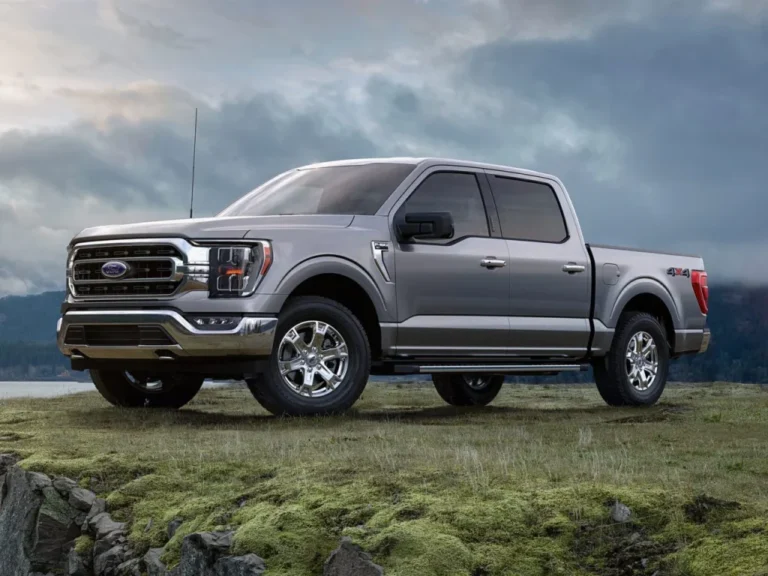
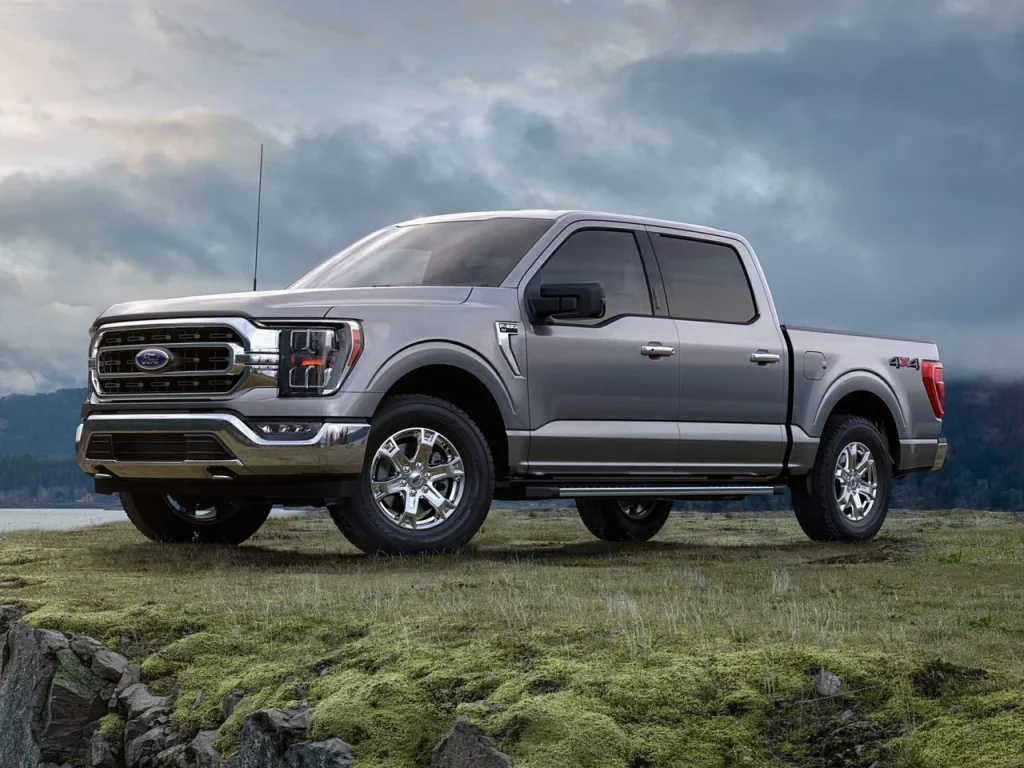
Pickup trucks are a familiar sight on Canadian roads. From contractors and farmers to families who need extra hauling and towing capacity, trucks have become an important part of everyday life. The Ford F-150, Ram 1500 and Chevrolet Silverado are particularly popular, but their popularity has also made them attractive to vehicle thieves.
If you own a pickup truck, you may have wondered why criminals are so interested in these particular vehicles. Is it their resale value? The demand for replacement parts? Or is there something about pickup trucks that makes them especially appealing to organized crime?
The answer involves several factors. A stolen pickup truck can generate money in different ways, whether it is sold through an illegal resale network, dismantled for parts or transported overseas. For organized criminal groups, vehicle theft can be a profitable business rather than an isolated property crime.
Which Pickup Trucks Are Most Stolen in Canada?
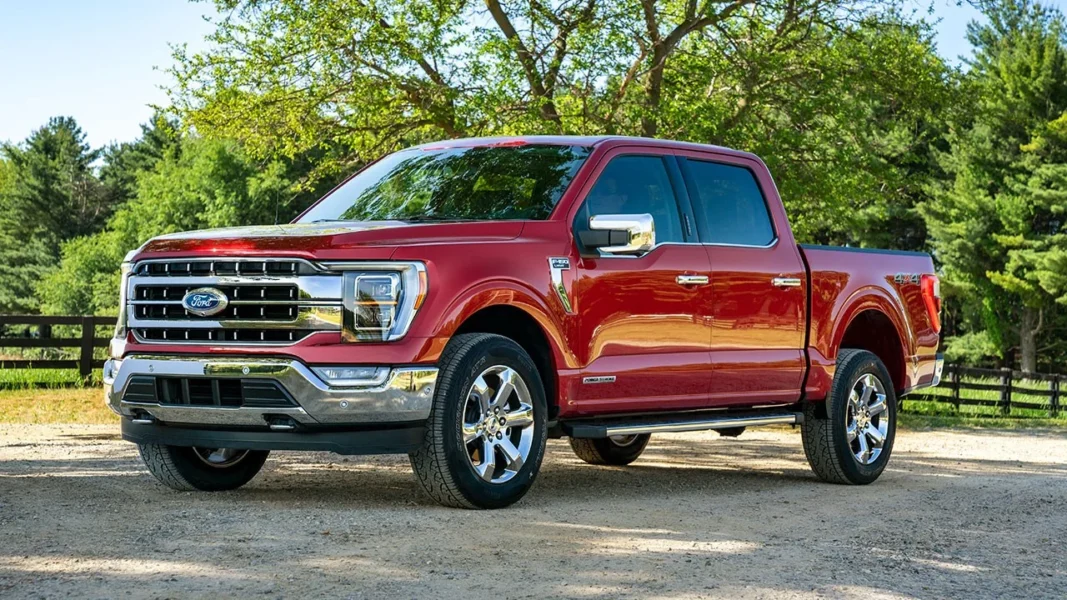
Pickup trucks continue to appear in Équité Association’s annual vehicle theft statistics. Its 2025 data identifies the Ford F-150 Series, Ram 1500 Series and Chevrolet/GMC Silverado/Sierra 1500 Series among Canada’s most frequently stolen vehicles.
The latest national statistics published by the association identify the following pickup truck theft figures:
- Ford F-150 Series: 1,182 thefts
- Ram 1500 Series: 509 thefts
- Chevrolet/GMC Silverado/Sierra 1500 Series: 410 thefts
These figures are for the 2025 reporting year and include particular model generations rather than every year of production. For example, the Ford F-150 generation identified in the data is 2015 to 2020, while the Ram 1500 generation is 2011 to 2018.
It is important to look beyond the total number of thefts when comparing vehicles. The number of insured vehicles also matters because a model with hundreds of thousands of vehicles on Canadian roads has more opportunities to appear in theft statistics. Équité Association also publishes theft frequency figures, which compare reported thefts with the number of insured vehicles. This provides a different perspective on how frequently particular models are targeted.
If you own one of these trucks, the statistics are worth paying attention to, but they do not mean that every model year has the same level of risk.
6 Reasons Why Thieves Target Pickup Trucks
1. Pickup Trucks Have High Resale Value
One of the biggest reasons pickup trucks attract thieves is their resale value. Trucks can be expensive to purchase, and popular models often retain considerable value in the used vehicle market. A well-equipped pickup with a desirable engine, trim package and towing capabilities can represent a substantial financial investment.
That value can also make stolen trucks attractive to organized criminals. There is an established market for popular pickup models, and criminals may attempt to profit by moving stolen vehicles through illegal resale networks. The potential return is not necessarily limited to what someone could get by selling the entire truck. Its individual components may also have considerable value.
This helps explain why certain popular truck models repeatedly appear in theft reports. Criminals are interested in vehicles that offer opportunities to make money, and pickup trucks can provide more than one potential source of profit.
2. There Is a Market for Used Truck Parts
A stolen pickup truck does not necessarily have to be sold as a complete vehicle to generate money. Some stolen vehicles are dismantled, with individual components entering the used parts market. Engines, transmissions, electronic modules, body panels, wheels and other mechanical components can be expensive to replace, creating demand for affordable used parts.
This is particularly relevant for popular pickup trucks because there are so many similar vehicles on the road. Owners looking to repair an older F-150, Ram 1500 or Silverado may search for used components to save money rather than purchasing brand-new replacement parts. Unfortunately, criminals can exploit legitimate demand by introducing stolen components into the market.
This is also why consumers should be careful when purchasing expensive used automotive parts. Buying from an established automotive recycler or reputable business that can identify the source of its inventory is a much better option than purchasing suspiciously cheap components from an unknown seller.
3. Stolen Pickup Trucks Can Be Shipped Overseas
Many Canadians assume that a stolen vehicle will be driven somewhere else in the country and eventually resold. However, organized vehicle theft can involve much larger operations, including the movement of stolen vehicles through shipping facilities and international freight networks.
A December 2025 investigation known as Project CHICKADEE provides a real example. The Ontario Provincial Police and Canada Border Services Agency announced that 306 stolen vehicles, with a combined estimated value of approximately $25 million, had been recovered during the investigation. Authorities identified a criminal organization involved in facilitating the movement of stolen vehicles out of Canada through freight forwarding operations. Intended overseas destinations included the Middle East and West Africa.
The investigation involved more than simply locating stolen vehicles. Authorities also seized vehicle shipping documentation, key programming equipment, licence plates and other items connected to the operation. Twenty individuals were arrested and charged with a total of 134 offences, according to the joint announcement.
This case demonstrates how vehicle theft can involve an extensive network of people responsible for stealing, transporting and arranging the export of vehicles. It also explains why Canadian authorities have been working to strengthen border inspections and cooperation between law enforcement agencies.
4. Popular Pickup Models Have an Established Market
The Ford F-150, Ram 1500 and Chevrolet Silverado are popular for good reason. They are available in different configurations, offer practical features and appeal to a wide range of drivers. Some are purchased for construction and other trades, while others are used for recreational activities, towing trailers or everyday family transportation.
That popularity creates an established market for vehicles and replacement components. Criminals looking to profit from vehicle theft may be drawn to models that already have a large number of potential buyers and a recognizable market.
However, popularity alone does not explain why a particular model is stolen. Security technology, model year, vehicle demand and the ability to move or resell a stolen vehicle can all influence criminal targeting. It would be misleading to suggest that every F-150, Ram or Silverado is equally vulnerable simply because the model appears in theft statistics.
5. Modern Trucks Contain Valuable Technology and Equipment
Today’s pickup trucks are considerably more sophisticated than older work trucks. Depending on the model and trim level, they can include advanced infotainment systems, electronic modules, driver assistance technology, cameras, sensors and other expensive components.
These features add convenience and functionality for owners, but they can also increase the replacement cost of damaged or stolen components. A newer truck may contain technology that is expensive to repair, and certain electronic components can be difficult to source.
The vehicle’s configuration can also affect its value. A well-equipped pickup with upgraded interior features, a premium trim package or specialized factory equipment may be worth considerably more than a basic work truck. This does not mean that technology alone makes a truck a target, but it is another consideration when looking at the potential financial value of stolen vehicles.
6. Work Trucks Can Represent a Bigger Financial Opportunity
Pickup trucks are essential to many Canadian businesses. Contractors, electricians, plumbers, landscapers, farmers and other tradespeople often depend on their trucks to transport tools, equipment and materials. For these owners, a truck is not simply a vehicle sitting in the driveway. It is an important part of earning a living.
A stolen work truck can create several financial problems at once. The owner may lose access to transportation, tools and specialized equipment, while scheduled jobs may need to be postponed or cancelled. Even when insurance eventually covers the vehicle, finding a suitable replacement and getting back to work can take time.
A truck fitted with a service body, storage system, ladder rack, towing equipment or other business accessories can also represent a significant investment beyond the original purchase price. This makes the financial consequences of theft particularly frustrating for small business owners who rely on their vehicles every day.
What Happens to Stolen Pickup Trucks?
There is no single destination for every stolen vehicle. Some are recovered by police, some are dismantled, and others become part of organized operations involving fraudulent vehicle identification numbers and illegal resale or export.
One method identified in Canadian auto theft investigations involves changing or manipulating a vehicle’s identity so that it can be presented as another vehicle. This practice is commonly referred to as re-VINing. It can make it more difficult to identify a stolen vehicle when criminals attempt to move it through the used vehicle market.
Other vehicles are transported in shipping containers and moved through international freight networks. Canada’s National Action Plan on Combatting Auto Theft includes measures intended to disrupt these criminal networks, improve information sharing and prevent stolen vehicles from being exported.
The Canada Border Services Agency reported intercepting 1,590 stolen vehicles in 2025 as part of its enforcement efforts. That figure illustrates the scale of the work involved in identifying and stopping stolen vehicles before they leave the country.
For someone whose truck has been stolen, the possibility that it could be dismantled or shipped overseas is particularly concerning. The longer a vehicle remains missing, the more difficult recovery can become, although the outcome varies from one case to another.
How Does Pickup Truck Theft Affect Insurance Costs?
Vehicle theft affects more than the person whose truck disappears. Insurance companies pay claims when covered vehicles are stolen, and those losses become part of the overall cost of providing automobile insurance.
According to Équité Association, Canada’s vehicle theft problem has created substantial insurance losses in recent years. Although theft numbers can rise or fall from one reporting year to another, the financial impact remains significant for the insurance industry and Canadian drivers.
Your individual insurance premium is not determined solely by the make and model of your truck. Insurers may consider your location, driving history, claims record, coverage selections, vehicle characteristics and other rating factors. However, theft trends can influence how insurers assess particular vehicles and the cost of providing comprehensive coverage.
If you own a frequently targeted pickup, it is worth contacting your insurance provider to ask whether there are specific anti-theft requirements or recommended security upgrades for your model. You should also confirm that any aftermarket accessories, permanently installed equipment and business-related contents have appropriate coverage.
What Should Pickup Truck Owners Know Before Buying a Used Truck?
Vehicle theft is also something worth considering when purchasing a used pickup truck. While most used trucks are legitimate purchases, buyers should take the time to verify the vehicle’s history and identity before handing over their money.
Start by checking the vehicle identification number against the ownership documents and the identification plate on the truck. A vehicle history report can provide useful information about previous registrations, reported accidents, liens and other available records. You should also arrange an independent inspection and verify that the seller has the legal authority to sell the vehicle.
Be cautious if a truck is advertised at a price considerably below comparable vehicles, particularly if the seller is rushing the transaction or cannot provide consistent documentation. A suspiciously low price does not automatically mean a vehicle is stolen, but it is a reason to investigate further.
For an expensive purchase such as a pickup truck, taking extra time to verify its history can help prevent a costly mistake.
Are Pickup Trucks Too Risky to Own?
I certainly wouldn’t suggest avoiding a pickup truck simply because certain models appear in Canada’s theft statistics. These vehicles serve an important purpose for many Canadian families and businesses, and their popularity is unlikely to disappear.
However, the statistics and organized crime investigations are reminders that vehicle theft is more complicated than someone taking an unattended vehicle for a quick drive. There can be a much larger criminal operation behind the theft, with stolen vehicles being resold, dismantled or transported across international borders.
If you own a Ford F-150, Ram 1500 or Chevrolet Silverado, take the time to understand the theft trends affecting your particular model and make sure your insurance coverage reflects the value of your vehicle and any additional equipment.
A pickup truck is often one of the largest purchases a household or small business makes. Understanding why these vehicles are targeted, where stolen trucks may end up and how theft affects owners can help you make more informed decisions about protecting that investment.
If you’re looking for practical ways to reduce the risk of vehicle theft, read my article, How You Can Prevent Your Car from Being Stolen. It covers steps vehicle owners can take to make their cars and trucks less attractive to thieves.
Do you own a Ford F-150, Ram 1500 or Chevrolet Silverado? Have you noticed more concern about pickup truck theft in your area? I’d be interested in hearing what other truck owners think.