
Parenting a Child with BPD: Support & Connection
7 min read
1243 words
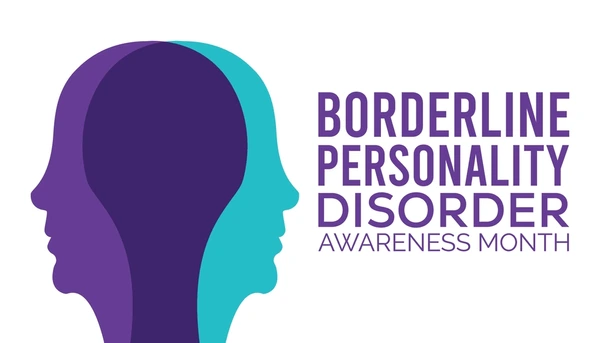
Welcome, fellow parent. If you’ve landed here, chances are you’re navigating a path few truly understand: parenting a child with BPD. It’s a journey filled with intense emotions, bewildering behaviors, and an often silent struggle to find the right way forward. I am walking this path alongside you, as my own daughter has Borderline Personality Disorder, and I know firsthand the weight and the worry that comes with this diagnosis. But you are not alone, and there is hope. As we approach BPD Awareness Month 2026, let’s shine a light on the quiet realities of this experience and equip you with powerful tools to build connection and peace in your home.
The Quiet Reality of the BPD Parent
The moment you heard the diagnosis, Borderline Personality Disorder, for your child, a storm of emotions likely hit. Perhaps there was a flicker of relief, a name finally given to the bewildering patterns you’d witnessed. But quickly, fear probably followed. Fear of the unknown, fear for their future, fear of what this meant for your family. This is the weight of the diagnosis, a heavy mix of clarity and dread.
For too long, your home might have felt like a minefield. The “walking on eggshells” phase is a common, exhausting reality for parents. Every conversation, every interaction, felt like it could trigger the next explosion of anger, a sexual outburst, or a deep, heartbreaking withdrawal. This constant vigilance takes a toll, leaving you physically and mentally drained.
Shifting the Lens: From “Bad Behavior” to “Highly Sensitive”
It’s easy to see the challenging behaviors, the anger, the volatile outbursts, and the reckless choices, and label them as “bad behavior” or attention seeking. But what if we shifted our perspective? The truth is, your child isn’t choosing to be dramatic. Their emotional thermostat is simply set much, much higher than others. This is the biology of emotion at play. Their brains process emotions with an intensity that can be overwhelming for them, leading to reactions that seem out of proportion to you.
Recognizing Symptoms in Young Adults with BPD:
- The “I hate you, don’t leave me” paradox: This push pull dynamic is a hallmark of BPD. They desperately fear abandonment but can push loved ones away in moments of intense emotional pain or anger.
- Impulsivity and Sexual Outbursts: High intensity emotions can lead to impulsive decisions, including risky sexual behavior or sudden sexual outbursts that serve as a way to seek validation or escape internal pain.
- Suicide Attempts and Self Harm: Perhaps the most terrifying aspect for a parent is the presence of suicidal ideation or actual suicide attempts. In BPD, these are often a desperate way to communicate unbearable emotional pain. It is a cry for help from someone who feels they have run out of ways to survive the moment.
- The struggle with identity: Sense of self can be unstable, leading to frequent changes in goals, values, and relationships.
The Danger of Numbing: Drug Use and BPD
When the emotional pain becomes too loud, many young adults with BPD turn to drugs or alcohol as a way to quiet the noise. This isn’t about partying; it is a desperate attempt to self medicate. Substance use can provide a temporary escape from the crushing weight of rejection. However, this often leads to a dangerous cycle where the drugs further dysregulate their moods, making symptoms even harder to manage. Recognizing that drug use is often a symptom of underlying pain, rather than just rebellion, is a vital step for us as parents.
The Inpatient Paradox: Why Hospital Stays Often Fail
As parents, our first instinct during a crisis or after a suicide attempt is to rush to the hospital. We assume that an inpatient mental health unit is the safest, most effective place for them to be. However, many families find that traditional hospital stays don’t work for BPD.
Inpatient units are designed for stabilization, not for the long term skill building that BPD requires. Often, the sterile and restrictive environment of a hospital can actually increase a child’s feelings of abandonment or invalidation. They may be discharged after a few days with no new coping mechanisms, only to return to the same emotional triggers at home. Without a specific focus on Dialectical Behavior Therapy (DBT), a hospital stay is often just a “band aid” on a wound that needs specialized, consistent care.
Your Most Powerful Tool: Radical Validation
Validation doesn’t mean you agree with their behavior; it means you acknowledge that their feeling is real and makes sense from their perspective. It’s about meeting them where they are emotionally, not where you think they should be.
The Script Change:
Instead of: “You’re overreacting and being angry for no reason.”
Try: “I can see how much that situation hurt you. It makes sense that you’re feeling angry and rejected right now.”
DBT Skills You Can Use at Home
1. The TIPP Skill for De escalation
TIPP is about rapidly changing your body chemistry to calm the nervous system.
- Temperature (T): Use an ice pack on their face or wrists to “reset” the nervous system.
- Intense Exercise (I): 20 seconds of vigorous activity to burn off the “emotional fire.”
- Paced Breathing (P): Slow, deep breathing (inhale for 4, hold for 2, exhale for 6).
- Paired Muscle Relaxation (P): Tense a muscle group for 10 seconds, then completely relax.
2. The DEAR MAN Skill
This skill helps you ask for what you need while keeping the relationship intact.
Example: Setting a Boundary During a Phone Outburst
- Describe: “I can hear that you are shouting and using very intense language right now while we are on this call.”
- Express: “It is making it very difficult for me to hear what you’re saying, and I am starting to feel overwhelmed.”
- Assert: “I need to hang up the phone now. I am going to wait until you are able to speak to me in a calm tone.”
- Reinforce: “If we hang up now and take some space, I will be in a much better headspace to really listen to you in an hour.”
- Mindful/Appear Confident/Negotiate: Stay on track if they keep shouting. Use a steady tone. Offer to check messages at a specific time (e.g., 4:00 PM) to try again.
Protecting Your Own Peace (The “Oxygen Mask” Rule)
Parenting a child with BPD is incredibly demanding. Many parents find themselves in the “sandwich generation struggle,” balancing the needs of an adult or teenage child with their own career and perhaps aging parents. Protecting your peace isn’t selfish; it’s essential.
Setting boundaries is an act of love. A simple boundary might sound like: “I love you too much to sit here and be yelled at. I’m going to step away for 20 minutes, and we can try again when we’re both calmer.”
Most importantly, find your village. Connect with other parents who “get it.” sharing experiences and empathy can prevent you from feeling like an isolated island.
Conclusion: The Long Game
Recovery from BPD is not linear. There will be setbacks, but with consistent validation, dedicated therapy like DBT, and your unwavering support, life can truly become “worth living” again for your child.
A message for you, dear parent: You are not a “bad parent,” and your child is not “broken.” You are both learning a new language. This journey is a marathon, not a sprint, but every step you take brings you closer to a more peaceful reality.