
4 min read
604 words
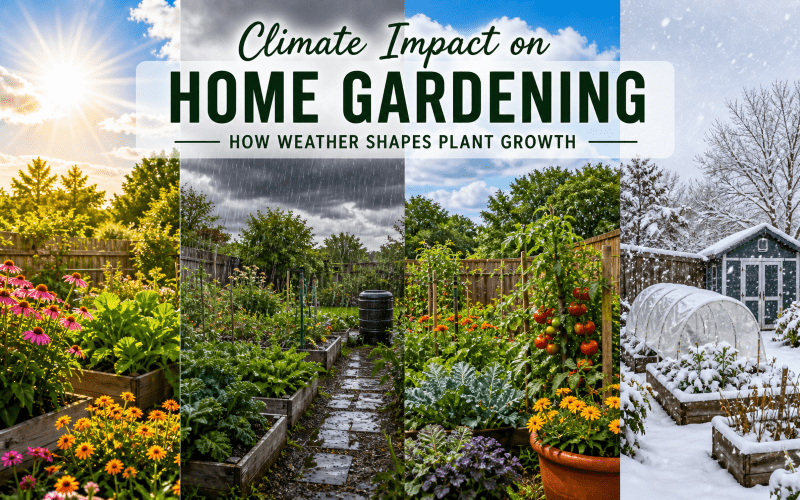
The climate impact on home gardening plays a defining role in the success of any garden. Temperature fluctuations, rainfall patterns, humidity levels, and seasonal changes directly affect how plants grow, flower, and produce. Understanding the climate-related forces at work in your region allows gardeners to better adapt their strategies, minimize risk, and cultivate a resilient garden environment that responds effectively to changing conditions.
Temperature and Its Effect on Plant Growth
Temperature influences nearly every biological process in plants, from root development to flowering cycles. Warm-season plants thrive in higher temperatures, while cool-season plants prefer more moderate conditions.
Sudden temperature shifts can stress plants, slow growth, or damage foliage.
Smart strategies:
- Use mulch to regulate soil temperature
- Provide shade during heatwaves
- Plant according to local frost dates
- Choose heat- or cold-tolerant varieties
Rainfall Patterns and Water Management
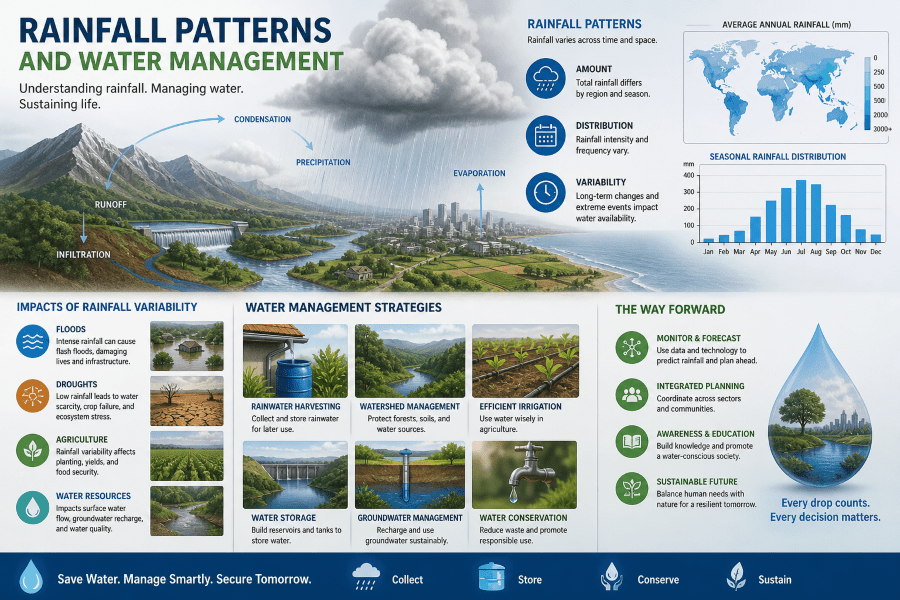
Rainfall variability can significantly influence water availability in a home garden. Regions with frequent rainfall must prioritize drainage to prevent waterlogged soil, while drier climates require efficient irrigation systems to maintain moisture levels.
Climate-aware gardeners adjust their watering practices based on weather conditions rather than fixed schedules. Rain barrels, drip irrigation, and soil moisture monitoring tools help balance water use while supporting plant health. Anticipating dry spells or heavy rainfall reduces stress on both plants and resources.
Humidity and Disease Pressure
Humidity affects transpiration and can increase the likelihood of fungal and bacterial diseases. High humidity limits evaporation, leaving moisture on leaves longer and creating favorable conditions for pathogens. Low humidity, on the other hand, may cause plants to lose water too quickly.
Maintaining proper spacing, pruning excess foliage, and encouraging airflow helps manage humidity-related risks. Selecting climate-tolerant plant varieties—including those grown from quality weed seeds where permitted—also reduces vulnerability to disease in challenging conditions.
Seasonal Shifts and Extended Growing Periods
Climate change has led to longer growing seasons in many regions, altering traditional planting and harvesting schedules. While extended seasons may allow for additional planting opportunities, they can also bring unpredictable weather events, such as late frosts or heat stress.
Gardeners who track seasonal trends and remain flexible in their planning are better equipped to protect plants from unexpected conditions. Using row covers, cold frames, or shade cloths helps buffer plants during transitional periods.
Adapting Garden Design to Local Climate
Climate-conscious garden design emphasizes flexibility and resilience. Incorporating windbreaks, drought-tolerant landscaping, and regionally adapted plants helps gardens perform consistently despite changing conditions.
Raised beds improve temperature regulation and drainage, while perennial plantings stabilize soil and reduce erosion. These design choices allow gardeners to work with their climate rather than against it, leading to healthier and more manageable gardens.
FAQ: Climate Impact on Home Gardening
How does climate affect home gardening?
Climate influences plant growth, water availability, disease risk, and growing seasons, making it one of the most important factors in gardening success.
What is the best way to protect plants from extreme weather?
Use mulch, shade cloth, row covers, and proper watering techniques to buffer plants against temperature and weather extremes.
Can you garden successfully in any climate?
Yes, with the right plant selection and adaptive strategies, gardening is possible in almost any climate.
How is climate change affecting home gardens?
Climate change is causing longer growing seasons, unpredictable weather, and increased pest and disease pressure.
Conclusion
Understanding the climate impact on home gardening is essential for growing a healthy, productive garden. By adapting to temperature changes, managing water effectively, and designing with climate in mind, you can create a garden that thrives in any condition.
A climate-aware approach not only improves plant health but also makes gardening more sustainable and rewarding over time.
 Debbie Price
  Rose DesRochers
  Hailey Reynolds