
5 min read
910 words
Fire safety stands as one of those crucial aspects of home protection that deserves your immediate attention. Every year, thousands of residential fires lead to devastating property damage, serious injuries, and heartbreaking loss of life. What’s striking is that the majority of these incidents could be prevented, or their impact dramatically reduced, through one straightforward measure: properly installed and maintained smoke detectors. These devices aren’t just recommended accessories for your home. They’re essential lifesaving equipment that no residence should be without, and understanding their vital role will reshape how you think about protecting your household.
The Life-Saving Difference in Emergency Response Time
When fire breaks out in your home, every passing second becomes critical to your survival and safe escape. Smoke detectors provide that crucial early warning system that can literally mean the difference between life and death during a fire emergency. According to the National Fire Protection Association, working smoke alarms cut the risk of dying in reported home fires in half, a statistic that speaks volumes about their effectiveness. These devices detect smoke particles in the air long before flames become visible, often alerting you to danger while the fire remains in its earliest, most manageable stages. This advance notice gives you and your family those precious moments needed to evacuate the premises, call emergency services, and potentially minimize property damage. Without this early warning system, you might remain completely unaware of a developing fire until escape routes become blocked or breathing becomes impossible due to toxic smoke inhalation.
Protection During the Most Vulnerable Hours
Here’s something that might surprise you: the majority of fatal home fires occur during nighttime hours when you and your family are asleep and least able to detect danger. Your sense of smell diminishes significantly during sleep, which means you can’t rely on detecting smoke odors to wake you during a fire emergency. This is where smoke detectors become your vigilant guardians during these vulnerable hours, providing loud audible alerts that can penetrate even deep sleep and wake household members. The piercing alarm sound typically reaches 85 decibels or higher, specifically designed to rouse even the soundest sleepers and alert them to immediate danger. Installing smoke detectors in every bedroom, outside sleeping areas, and on every level of your home ensures comprehensive coverage during the hours when your natural alertness hits its lowest point. This round-the-clock protection becomes especially critical for households with elderly residents, young children, or individuals with mobility challenges who may require additional time to evacuate safely.
Beyond Smoke Detection for Complete Home Safety
Modern fire safety technology has evolved well beyond simple smoke detection to provide comprehensive protection against multiple household dangers. Many contemporary devices combine smoke detection with carbon monoxide monitoring, addressing another silent killer that claims hundreds of lives annually. Carbon monoxide represents a particularly insidious threat, it’s an odorless, colorless gas produced by fuel, burning appliances, vehicles, and heating systems that can quickly reach lethal concentrations without any warning signs. For homeowners seeking comprehensive protection against both fire and carbon monoxide threats, a smart smoke and carbon monoxide detector provides dual-sensor technology that monitors both dangers simultaneously. These advanced systems often include features such as digital displays showing gas levels, voice alerts that specify the exact type of danger detected, and wireless connectivity that allows multiple units throughout your home to communicate with each other. When one detector senses danger, all connected units activate simultaneously, ensuring everyone in the household receives immediate warning regardless of where they’re located.
Legal Requirements and Insurance Considerations
Beyond the obvious safety benefits, having working smoke detectors in your home carries important legal and financial implications worth understanding. Most jurisdictions have adopted building codes and fire safety regulations that mandate smoke detector installation in residential properties. These requirements typically specify the number of detectors needed, their placement throughout the home, and the type of power source they must use. Failure to comply with these regulations can result in fines, failed home inspections, and serious complications when you’re ready to sell your property.
Maintenance and Testing for Reliable Performance
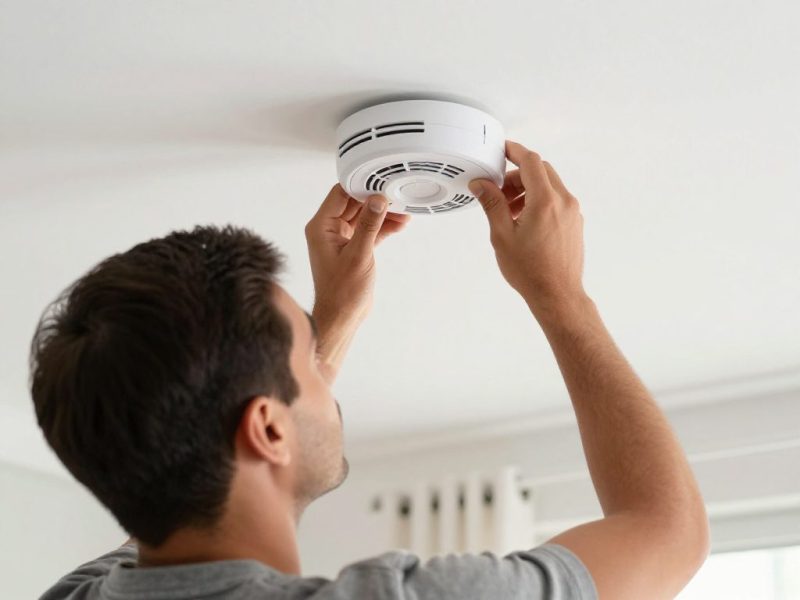
Installing smoke detectors represents only the first step in establishing a reliable home fire safety system that will function when you need it most. Regular maintenance and testing prove absolutely essential to ensure your detectors will operate correctly during an emergency. You should test each smoke detector monthly by pressing the test button and listening for the alarm sound, it takes just seconds but provides invaluable peace of mind. Replace batteries at least once per year or immediately when the low, battery chirp begins, and resist the temptation to disable a detector due to nuisance alarms from cooking or steam.
Conclusion
The importance of working smoke detectors in your home truly cannot be overstated when you consider the protection they provide against fire-related injuries and fatalities. These relatively inexpensive devices deliver invaluable early warning that gives you and your loved ones the critical time needed to escape dangerous situations safely. From meeting legal requirements and insurance obligations to providing round-the-clock vigilance during your most vulnerable hours, smoke detectors represent an essential component of responsible home ownership. Take the time today to verify that your home has adequate smoke detector coverage, that all units are functioning properly, and that you’ve established a regular maintenance schedule to keep them in optimal working condition. Your family’s safety depends on the reliable operation of these simple yet sophisticated lifesaving devices, and that’s not something worth leaving to chance.
 Rose DesRochers
  Hailey Reynolds
  Carly
Carly