How to Keep Early-Purchased Pumpkins Fresh Until Halloween
7 min read
1353 words
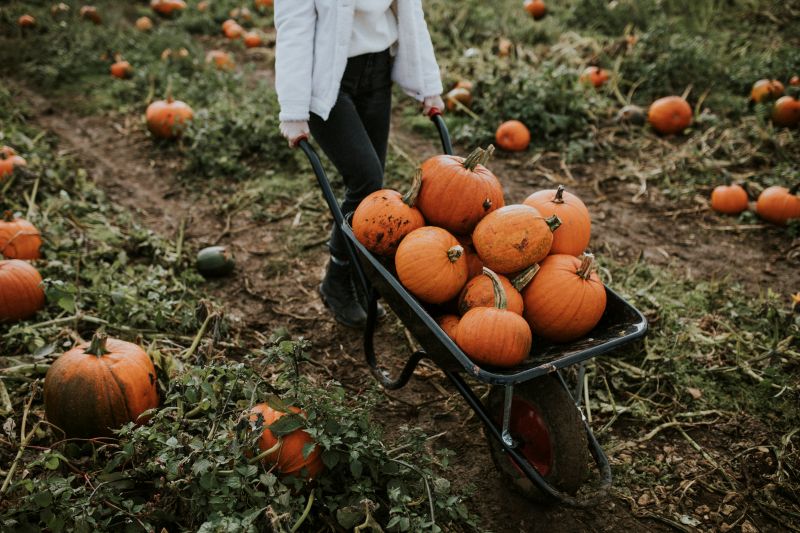
Buying pumpkins early can make decorating for fall easier, but it also creates a problem: How do you keep those pumpkins looking fresh until Halloween?
If you picked up your pumpkins in September or early October, you don’t necessarily need to worry. A healthy, uncarved pumpkin can remain in good condition for weeks when it is handled carefully and kept in the right environment.
The key is to protect your pumpkins from the things that cause them to deteriorate fastest: moisture, heat, physical damage and rot.
And if you plan to carve your pumpkins, waiting until closer to Halloween can make a big difference.
How Long Will an Uncarved Pumpkin Last?
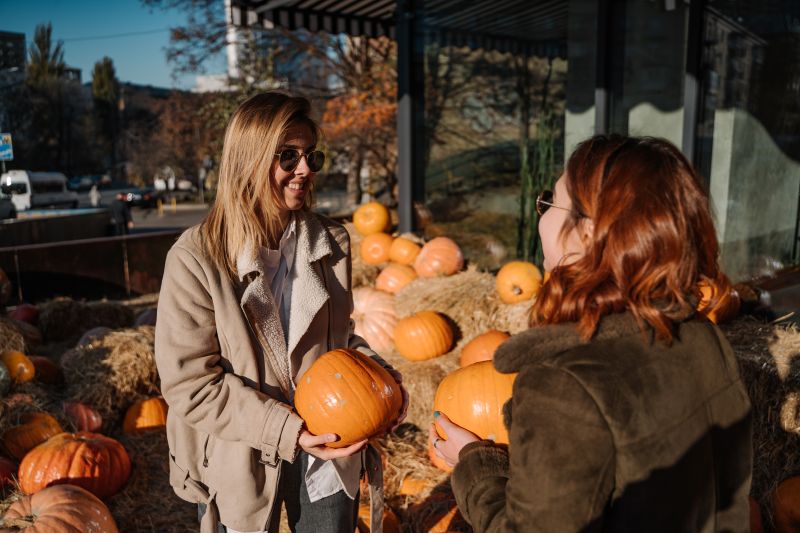
There is no guaranteed lifespan for an outdoor pumpkin.
A healthy, mature pumpkin can often last for several weeks, depending on the variety, its condition when purchased and the weather where you live.
A pumpkin that is already bruised or beginning to soften may deteriorate much sooner.
That’s why pumpkin care should begin as soon as you bring it home.
Start With a Healthy Pumpkin
When buying pumpkins early, inspect them carefully.
Choose pumpkins that are:
- Firm all over
- Free from soft spots
- Free from deep cuts or cracks
- Free from mold
- Free from significant bruising
- Dry rather than wet or slimy
- Firm around the stem
Don’t forget to check the bottom. A pumpkin can look perfect from the top while beginning to soften underneath.
A healthy pumpkin gives you the best chance of making it to Halloween in good condition.
Don’t Carve It Yet
If Halloween is still weeks away, resist the temptation to carve your pumpkin.
Once a pumpkin is cut open, its moist interior is exposed to air, microorganisms and changes in humidity. The cut edges can begin to soften, while the inside can develop mold or rot.
For the longest-lasting jack-o’-lantern, wait until as close to Halloween as practical before carving.
An intact pumpkin is much easier to maintain.
Keep Your Pumpkin Dry
Moisture is one of the biggest problems for pumpkins stored outdoors.
Rain, sprinklers, wet grass and standing water can leave the pumpkin damp for extended periods. Constant moisture can contribute to mold and soft rot.
If possible, place your pumpkin somewhere protected from rain.
A covered porch, sheltered entrance or protected outdoor area can work well.
If your pumpkin does get wet, don’t panic. Simply wipe away excess water and allow the pumpkin to dry thoroughly.
Keep It Off the Ground
Don’t place your pumpkin directly on wet grass, soil or a surface where water collects.
Instead, place it on something dry and slightly raised, such as:
- A wooden board
- A dry tray
- A pumpkin stand
- A piece of cardboard
- A dry outdoor table or bench
Keeping the bottom of the pumpkin dry is particularly important because moisture can collect underneath it.
Check the bottom regularly for soft spots or discolouration.
Protect Pumpkins From Direct Sunlight
Fall weather can still bring surprisingly warm days.
Direct sunlight can heat the pumpkin and contribute to moisture loss and deterioration.
A location with some shade is preferable, particularly during the warmest part of the day.
A covered porch can be an excellent location because it provides protection from both sunlight and rain.
Don’t Cover Your Pumpkin With Plastic
It may seem logical to cover a pumpkin with plastic to protect it from rain, but tightly wrapping it can trap moisture.
That creates a damp environment around the pumpkin rather than allowing it to breathe and dry naturally.
If rain is a concern, it’s better to move the pumpkin to a sheltered location whenever possible.
Handle Pumpkins Carefully
Pumpkins can look tough, but their skin can be damaged by dropping, dragging or rough handling.
Don’t lift a pumpkin by its stem.
The stem can break, leaving an injured area that may deteriorate.
Instead, support the pumpkin underneath with both hands when moving it.
Try not to stack pumpkins directly on top of one another because the weight can cause bruising or pressure damage.
Should You Clean Your Pumpkin?
If your pumpkin has dirt on it, gently wipe the exterior with a soft cloth.
You don’t need to scrub it aggressively.
Scratches and damaged areas can provide opportunities for microorganisms to enter.
If you want to use vinegar as part of your pumpkin-cleaning routine, you can wipe the exterior with a solution of equal parts white distilled vinegar and water.
Allow the pumpkin to dry completely afterward.
Vinegar can help with surface cleaning, but it isn’t a guarantee against pumpkin rot.
For more information, see our guide to preserving pumpkins with vinegar.
Don’t Spray It Every Day
More treatment isn’t necessarily better.
There is no need to spray an intact pumpkin with vinegar every day.
Repeatedly adding moisture to the surface can work against your goal of keeping the pumpkin dry.
Instead, inspect your pumpkin regularly and clean it when necessary.
The most important things are keeping it:
Cool, dry, shaded and protected from damage.
Check Your Pumpkins Every Few Days
Make pumpkin inspection part of your fall decorating routine.
Look for:
- Soft spots
- Dark or sunken areas
- Mold
- Leaking liquid
- A noticeably softer bottom
- An unpleasant smell
- Cracks or damaged areas
Finding a problem early gives you a chance to remove the affected pumpkin from your display before it becomes a bigger problem.
If a pumpkin becomes extensively soft, moldy or rotten, it should be discarded.
What About Squirrels and Other Wildlife?
Pumpkins can attract squirrels, raccoons, deer and other animals because they are edible.
You may have heard that spraying pumpkins with vinegar will keep wildlife away. Vinegar has a strong smell that some animals may dislike, but it isn’t a dependable wildlife repellent.
If animals are eating your pumpkins, consider moving them to a less accessible location or using an appropriate physical barrier.
What If You Want to Decorate Your Pumpkins Now?
You don’t have to carve your pumpkins to enjoy them.
Uncarved pumpkins can be decorated with:
- Ribbons
- Artificial leaves
- Fall flowers
- Bows
- Battery-operated lights
- Painted designs
- Seasonal signs
- Other outdoor-safe decorations
Keeping the pumpkin intact can help it last longer.
If you paint a pumpkin, allow the paint to dry completely and continue protecting the pumpkin from excessive moisture.
When Should You Carve Your Pumpkin?
For the freshest-looking jack-o’-lantern on Halloween, wait until relatively close to the date.
The exact timing depends on the weather and the condition of your pumpkin, but carving it several weeks early generally isn’t a good strategy if you want it to look fresh on Halloween night.
Once carved, keep the pumpkin:
- Out of direct sunlight
- Protected from rain
- In a cool location
- Away from excessive moisture
Use a battery-operated LED light instead of a traditional candle whenever possible.
What About a Pumpkin That Starts to Soften?
A small soft spot is a warning that the pumpkin is beginning to deteriorate.
Inspect the surrounding area carefully.
If the pumpkin is becoming increasingly soft, leaking, developing significant mold or smelling unpleasant, it’s best to discard it rather than trying to save it with repeated vinegar treatments.
Vinegar isn’t a cure for an already-rotting pumpkin.
Can You Bring Outdoor Pumpkins Inside?
Yes, but choose the location carefully.
If you bring pumpkins indoors, keep them away from areas with excessive heat, such as radiators, fireplaces or heating vents.
A cool, dry location is preferable.
If you’re storing pumpkins indoors before decorating, place them somewhere they won’t be knocked over or damaged.
The Bottom Line

Buying your pumpkins early doesn’t mean they have to look tired by Halloween.
Start with healthy pumpkins and protect them from the conditions that encourage deterioration.
Keep them dry, cool, shaded and off damp ground. Handle them carefully, check them regularly and protect them from rain.
Most importantly, wait to carve them until closer to Halloween.
Vinegar can be useful for cleaning the pumpkin’s surface, but it isn’t a miracle preservative. Good storage and careful handling are much more important when you’re trying to keep early-purchased pumpkins fresh for several weeks.
With a little preparation, those pumpkins you bought early can still be looking great when Halloween finally arrives.