A Guide to Preserving Your Pumpkins with Vinegar
8 min read
1406 words
The moment October arrives, porches and entryways begin taking on an autumn look. Cornstalks, mums and fall decorations appear, but pumpkins are often the stars of the display.
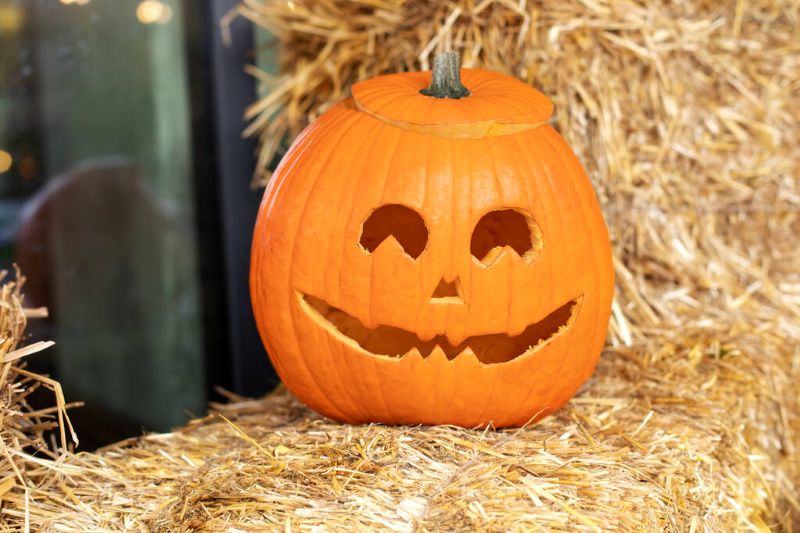
Unfortunately, a beautifully carved jack-o’-lantern can start to deteriorate surprisingly quickly. Within days, the cut edges may become soft, the inside can develop mold and the pumpkin may begin to collapse.
One inexpensive household ingredient that can help with pumpkin care is white distilled vinegar.
Vinegar is acidic and can help reduce some microorganisms on the pumpkin’s surface. However, it is not a magic preservative and won’t stop a pumpkin from eventually breaking down. The most effective approach combines cleanliness, keeping the pumpkin as dry and cool as possible, and protecting it from excessive moisture and heat.
Here’s how to use vinegar as part of a pumpkin-preservation routine.
Why Do Pumpkins Rot So Quickly?
A pumpkin is a living plant structure containing plenty of water and nutrients. Once it is cut open, its protective outer skin is broken and the moist interior is exposed to the environment.
Three factors contribute to deterioration.
1. Mold and Microorganisms
Mold, fungi and bacteria are naturally present in the environment. A freshly carved pumpkin provides moisture and nutrients that can allow these organisms to multiply.
The cut edges and scraped-out interior are particularly vulnerable.
2. Moisture
Moisture is one of the biggest enemies of a carved pumpkin.
Rain, sprinklers, condensation and wet soil can leave the pumpkin damp. A pumpkin that remains wet is more likely to develop mold and soft rot.
3. Heat and Dehydration
Warm temperatures can speed up microbial activity and cause the pumpkin to deteriorate more quickly. At the same time, the exposed flesh can lose moisture, causing the pumpkin to shrivel.
Keeping your pumpkin somewhere cool, dry and protected from direct sunlight can make a noticeable difference.
Can Vinegar Help Preserve a Pumpkin?
Yes, vinegar can be useful as part of a pumpkin-cleaning routine.
White distilled vinegar contains acetic acid, which creates an acidic environment that can inhibit some microorganisms. However, vinegar should not be described as a guaranteed way to prevent mold or extend a pumpkin’s life indefinitely.
The biggest benefit comes from cleaning the pumpkin and reducing conditions that encourage spoilage.
How to Clean a Whole Pumpkin With Vinegar
If you’re displaying an uncarved pumpkin, you don’t need to soak it for hours. A simple surface cleaning is usually sufficient.
What You’ll Need
- White distilled vinegar
- Water
- Clean cloth or soft sponge
- Clean towel
Step 1: Inspect the Pumpkin
Choose a pumpkin that is firm and free from soft spots, deep bruises, cracks or damaged areas.
A healthy pumpkin will generally last longer than one that already has damage.
Step 2: Remove Dirt
Gently wipe away dirt and debris with a dry or slightly damp cloth.
Avoid scrubbing aggressively because scratches and damaged areas can provide opportunities for microorganisms to enter.
Step 3: Make a Vinegar Solution
Mix one part white distilled vinegar with one part water.
For example:
- 1 cup white vinegar
- 1 cup water
Use a clean cloth or spray bottle to apply the mixture to the pumpkin’s exterior.
Step 4: Wipe the Surface
Wipe the pumpkin thoroughly, paying particular attention to areas around the stem and bottom.
Allow the pumpkin to dry completely before putting it on display.
There is no need to leave the pumpkin soaking wet with vinegar. Thorough drying is an important part of pumpkin care.
How to Use Vinegar on a Carved Pumpkin
Carving dramatically reduces a pumpkin’s natural protection because the moist interior is exposed.
After carving, the goal is to remove as much loose material and excess moisture as possible.
Step 1: Clean Out the Pumpkin
Remove the seeds, strings and loose pulp from inside the pumpkin.
Use a spoon or scraper to clean the interior as thoroughly as possible.
Step 2: Dry the Interior
Use paper towels or a clean cloth to remove excess moisture.
You don’t need to make the pumpkin completely dry, but removing standing moisture can help slow deterioration.
Step 3: Apply Diluted Vinegar
Mix equal parts white distilled vinegar and water.
Lightly spray or wipe the solution over the cut edges and interior surfaces.
Pay particular attention to:
- The eyes
- Nose
- Mouth
- Cut edges
- Interior walls
- The underside of the lid
Avoid flooding the pumpkin with liquid. The goal is to treat the surface, not add unnecessary moisture.
Step 4: Let It Dry
Allow the pumpkin to air-dry before putting the lid back on.
If possible, leave the pumpkin uncovered for a while after treatment so excess moisture can evaporate.
How Often Should You Apply Vinegar?
There is no need to automatically spray a pumpkin every day.
Instead, inspect it regularly. If the pumpkin becomes dirty or the cut surfaces need cleaning, you can wipe or lightly mist them with the diluted vinegar solution.
More importantly, keep the pumpkin cool, dry and protected from rain.
Repeatedly adding liquid to a pumpkin that is already damp can work against your goal of keeping it dry.
Will Vinegar Keep Squirrels and Deer Away?
Vinegar has a strong smell that some animals may dislike, but it should not be considered a reliable animal repellent.
Squirrels, raccoons, deer and other wildlife can become interested in pumpkins because they are edible. A vinegar smell may discourage some animals temporarily, but persistent wildlife may ignore it.
If animals are eating your pumpkins, physical protection is generally more dependable than relying on vinegar alone.
For example, consider placing pumpkins in a location that is less accessible to wildlife or using an appropriate physical barrier.
The Best Ways to Make a Pumpkin Last Longer
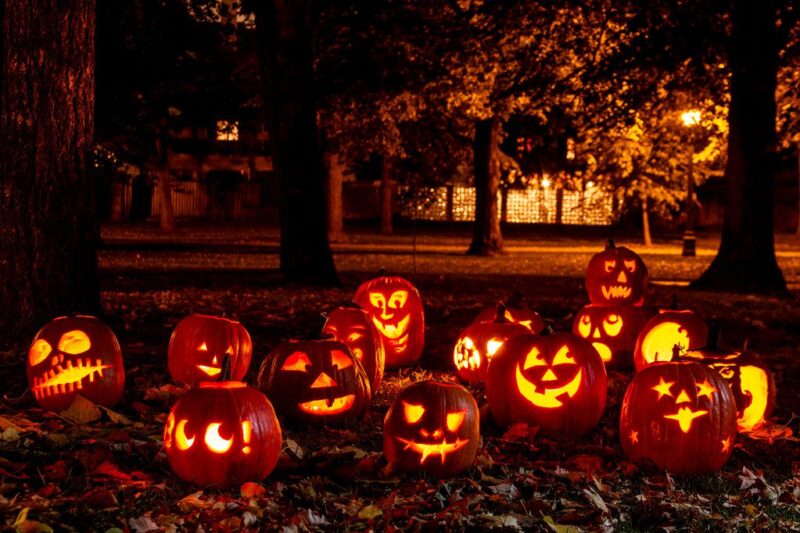
Vinegar is only one part of the equation. Your pumpkin’s environment can have an even greater effect on how long it lasts.
1. Start With a Healthy Pumpkin
Look for a pumpkin that is:
- Firm
- Free from soft spots
- Free from deep cuts
- Free from mold
- Free from significant bruising
Check the bottom carefully because damage around the base can sometimes be overlooked.
2. Handle It Carefully
Don’t carry a pumpkin by its stem.
The stem can break, leaving an injury that can contribute to deterioration. Instead, support the pumpkin from underneath when moving it.
3. Use Clean Carving Tools
Wash your carving tools before using them.
Dirty tools can transfer microorganisms and debris to the freshly exposed pumpkin flesh.
4. Remove the Pulp
After carving, clean out as much stringy pulp and loose material as possible.
The cleaner the interior, the easier it is to manage moisture and inspect for developing mold.
5. Keep It Out of Direct Sunlight
A pumpkin sitting in hot, direct sunlight can deteriorate faster.
A cool, shaded or covered location is generally a better choice.
6. Protect It From Rain
Rain and sprinklers can soak a pumpkin and encourage deterioration.
If possible, display your pumpkin on a covered porch or another protected location.
If it gets wet, wipe away excess water and allow it to dry thoroughly.
7. Use an LED Light
Traditional candles produce heat inside the pumpkin.
A battery-operated LED candle or pumpkin light produces much less heat and is a safer choice for a carved pumpkin.
Never leave a real candle burning inside a pumpkin unattended.
What If Your Pumpkin Already Has Mold?
If you see a small amount of mold, don’t assume that spraying vinegar will completely restore the pumpkin.
Inspect the pumpkin carefully. If it has become soft, collapsed, smells unpleasant or has extensive mold or rot, it is time to discard it.
Do not eat a pumpkin that has developed significant mold or decay.
How Long Will a Carved Pumpkin Last?
There is no guaranteed number of days.
Temperature, humidity, pumpkin quality, carving size, exposure to rain and the amount of handling all make a difference.
A carefully selected pumpkin kept in a cool, dry and protected location may last considerably longer than one sitting in warm sunshine and rain.
Vinegar can be part of your pumpkin-care routine, but cleanliness, dryness and temperature control are just as important.
The Bottom Line
White distilled vinegar is an inexpensive household ingredient that can be useful for cleaning and treating pumpkin surfaces, but it isn’t a miracle cure for pumpkin rot.
For the best chance of keeping your jack-o’-lantern looking good through Halloween, start with a healthy pumpkin, use clean carving tools, remove the pulp, keep the pumpkin dry and protect it from heat, rain and direct sunlight.
A little vinegar can help with surface care, but good pumpkin habits are what really make the difference.