How to Protect Your Vehicle From Road Salt
8 min read
1597 words
Winter driving comes with a problem that is easy to overlook: road salt. Salt and other de-icing materials help make winter roads safer, but repeated exposure to salty water, slush and road spray can contribute to corrosion. The underside of a vehicle can be particularly vulnerable because salt and moisture can collect in areas that are difficult to see. You don’t have to keep your vehicle spotless all winter, but a few practical maintenance habits can reduce salt buildup and help protect your vehicle’s exterior and underbody.
Why Does Road Salt Cause Rust?
Rust is a form of corrosion that occurs when iron or steel is exposed to moisture and oxygen. Road salt can make the problem worse by helping water conduct electricity more readily, which accelerates the electrochemical process involved in corrosion.
Winter driving creates ideal conditions for this process. Your vehicle may be exposed to wet roads, melting snow, freezing temperatures and salty slush repeatedly throughout the season.
The areas most likely to experience heavy exposure include:
- Wheel wells
- Rocker panels
- Lower door edges
- Frame and subframe areas
- Suspension components
- Brake components
- Exhaust components
- Fasteners and brackets
- Areas where paint has been chipped or damaged
The amount of corrosion will vary depending on the vehicle, its age, condition, materials and how it is maintained.
1. Wash Your Vehicle Regularly During Winter
One of the simplest ways to reduce salt accumulation is to wash your vehicle periodically throughout the winter.
You don’t need to wash it every time you drive on a salted road. However, if the vehicle becomes heavily coated with salty slush and grime, rinsing it off can help reduce the amount of corrosive material remaining on the vehicle.
During periods of frequent winter driving, consider washing your vehicle every couple of weeks when weather and temperatures permit.
A touchless or self-serve wash can be particularly useful because you can direct the water toward areas where salt tends to accumulate.
Today’s Woman tip: If temperatures are well below freezing, check the car wash’s recommendations before washing your vehicle. Water can freeze around doors, locks and other openings.
2. Don’t Forget the Undercarriage
The cleanest-looking part of your vehicle isn’t necessarily the part that needs the most attention.
Salt, mud and slush can collect underneath the vehicle and around the wheels. For this reason, an undercarriage rinse can be more valuable during winter than simply washing the visible body panels.
When washing your vehicle, pay attention to:
- Wheel wells
- Behind the wheels
- Underbody areas
- Frame components
- Suspension components
- Areas around the exhaust
You don’t need to crawl underneath your vehicle to clean it yourself. Many automatic and self-serve car washes offer an undercarriage wash.
3. Protect the Paint Before Winter
Your vehicle’s paint provides more than a cosmetic finish. Once the protective layers are damaged, exposed metal can become more vulnerable to corrosion.
Before winter arrives, inspect the exterior for:
- Stone chips
- Scratches
- Peeling paint
- Rust spots
- Damage around wheel arches
- Damaged areas along the lower doors
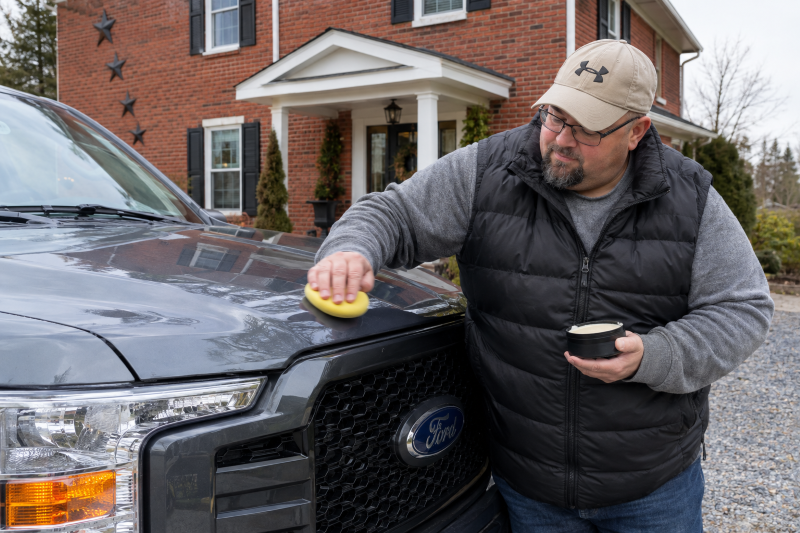
A quality automotive wax or paint sealant can provide additional protection to painted surfaces.
Wax isn’t a substitute for rustproofing or regular washing, but maintaining the paint finish is one part of a broader winter vehicle-care routine.
4. Don’t Ignore Small Paint Chips
Those tiny white or grey marks on the hood may be more than an annoyance.
Ontario roads can throw gravel and other debris against your vehicle, particularly during winter when sand and salt are spread on roads.
If a stone chip exposes the underlying metal, repairing it promptly may help prevent the damaged area from developing into a larger corrosion problem.
For small chips, automotive touch-up paint may be appropriate. Larger areas of damaged paint should be assessed by an automotive body repair professional.
5. Keep the Wheel Wells Clean
Your tires can throw salty water and slush into the wheel wells every time you drive.
Because these areas are partly hidden, buildup can go unnoticed.
When washing your vehicle, rinse the wheel wells thoroughly. Also pay attention to the areas behind the wheels where road grime can accumulate.
If your vehicle has plastic wheel-well liners, they can help protect components behind them, but they can also conceal accumulated dirt and debris. During routine maintenance, ask your technician to inspect these areas if you have concerns.
6. Consider Rustproofing for Your Vehicle
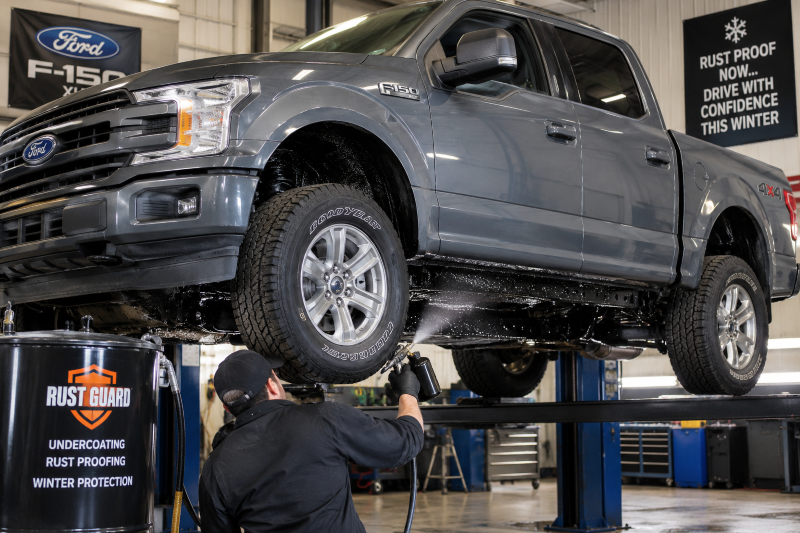
Rustproofing is another option vehicle owners may consider, particularly when a vehicle will be exposed to several winters.
There are different types of corrosion-protection products and application methods. Some are designed to protect exposed metal, while others are intended for cavities, seams or underbody areas.
If you’re considering professional rust protection, don’t assume every treatment is the same.
Ask:
- What product is being used?
- Which areas will be treated?
- How is the vehicle prepared?
- Does the treatment need to be repeated?
- Is the product suitable for the vehicle?
- Are there areas that should not be treated?
Your vehicle manufacturer’s recommendations should also be considered before applying aftermarket products.
7. Keep Drainage Areas Clear
Vehicles are designed with drainage points that allow water to escape from areas such as doors and body cavities.
Leaves, dirt and other debris can sometimes interfere with drainage.
When cleaning your vehicle, look for obvious debris around door openings, the trunk or liftgate and other drainage areas. Don’t insert objects into small drain holes unless you’re certain of their purpose and how the system works.
If water is collecting inside a door, trunk or another body area, have the problem investigated.
8. Protect Your Vehicle’s Interior From Winter Salt
Road salt doesn’t stay outside.
Winter boots and shoes can bring salty slush into the vehicle, where it can collect on floor mats and carpeting.
All-weather floor mats can make winter cleanup considerably easier, especially for families or anyone frequently getting in and out during snowy weather.
Remove accumulated slush and salt when practical and allow wet mats to dry.
This won’t prevent exterior rust, but it can help keep the interior cleaner and reduce moisture buildup inside the vehicle.
9. Have Your Vehicle Inspected After Winter
Spring is an excellent time to take a closer look at what several months of winter driving have done to your vehicle.
During routine maintenance, ask for the underside to be inspected for signs of corrosion or damage.
Areas worth checking include:
- Brake lines and components
- Exhaust components
- Suspension components
- Frame and subframe areas
- Fasteners and brackets
- Underbody shields
- Areas around previous paint damage
Not every spot of surface corrosion requires immediate repair, but significant rust, damaged components or corrosion affecting structural or safety-related parts should be professionally assessed.
Does Road Salt Damage Every Vehicle the Same Way?
No.
Vehicles differ in their construction, materials, corrosion protection, age, previous repairs and exposure to winter conditions.
Where and how a vehicle is driven also matters. A vehicle that spends hours on heavily salted highways can experience different exposure from one that is driven primarily on city streets.
That’s why there isn’t one universal winter rust-prevention routine that will be appropriate for every vehicle.
Regular cleaning and inspections are sensible preventative measures, while questions about serious corrosion should be addressed by a qualified automotive professional.
What About Parking in a Garage?
A garage can protect a vehicle from snow, ice and precipitation, but it doesn’t automatically prevent corrosion.
A vehicle that enters a heated garage covered in salty slush may actually remain wet for longer as the snow and ice melt.
The important thing is to keep the vehicle reasonably clean and allow moisture to drain away.
If you use a garage, good ventilation and appropriate drainage can also help manage moisture.
What Not to Do When Cleaning Road Salt
A few mistakes can make winter vehicle care less effective.
Don’t wait until spring to remove months of heavy salt buildup. Periodic winter washing is preferable.
Don’t concentrate only on the exterior. The underside and wheel wells can receive substantial salt exposure.
Don’t ignore damaged paint. Small chips and scratches are easier to address before corrosion spreads.
Don’t use household chemicals on your vehicle. Choose products designed for automotive surfaces.
Don’t blast sensitive components with excessive pressure. High-pressure water can be useful, but it should be used appropriately.
Don’t assume rustproofing makes washing unnecessary. A protective treatment doesn’t eliminate the need for routine cleaning and maintenance.
A Simple Winter Road-Salt Maintenance Routine
You don’t need an elaborate schedule to take better care of your vehicle.
Before winter
- Wash the vehicle thoroughly.
- Inspect the paint for chips and scratches.
- Repair significant paint damage.
- Apply wax or paint protection if appropriate.
- Consider professional rust protection.
- Make sure your winter floor mats are ready.
During winter
- Wash away heavy salt buildup periodically.
- Include the undercarriage when possible.
- Rinse the wheel wells.
- Remove salty slush from floor mats.
- Pay attention to new rust or paint damage.
After winter
- Give the vehicle a thorough spring cleaning.
- Clean the undercarriage.
- Inspect for corrosion.
- Have any significant rust or damaged components assessed.
The Bottom Line

Road salt is an unavoidable part of winter driving in many parts of Canada, but heavy salt buildup doesn’t have to become a permanent part of your vehicle.
Regular washing, undercarriage cleaning, paint maintenance and prompt attention to chips and scratches can all help reduce the effects of winter exposure.
The most important thing is consistency. A little preventative maintenance throughout the winter can help you spot problems before they become more serious.
Today’s Woman reminder: Rust prevention isn’t just about keeping your vehicle looking good. Corrosion can eventually affect important vehicle components, so have significant or unusual rust inspected by a qualified automotive professional.