
House Burping: How to Air Out Your Home
13 min read
2449 words
Have you ever walked into your home and noticed that the air feels stuffy, the windows are covered in condensation or there is a lingering musty smell that you just cannot seem to get rid of? These can be signs that your home needs better ventilation. During the colder months, when windows and doors remain closed for long periods, moisture from everyday household activities can become trapped indoors. Over time, this excess moisture can contribute to condensation, dampness and mould growth. One habit worth introducing is something I like to call house burping. It is a simple way of describing the practice of opening your windows and allowing stale, moisture-laden indoor air to escape while fresh outdoor air enters. It might sound like an unusual expression, but the idea is straightforward. Just as we open our homes to freshen them up after cooking or cleaning, regularly airing out the house can help improve indoor air quality and manage moisture.
However, opening a window occasionally is only one part of the solution. From using extractor fans and keeping trickle vents open to checking hidden corners and monitoring indoor humidity, there are several everyday habits that can help keep your home drier and make it less welcoming to mould.
Why Does Moisture Build Up Inside Your Home?
Many people associate dampness with leaking roofs, flooded basements or plumbing problems. While these are important causes, moisture is also produced through ordinary household activities. Every time someone showers, cooks a meal, boils a kettle, washes clothes or dries laundry indoors, moisture enters the air. Even breathing contributes a small amount of water vapour to the indoor environment.
In a well-ventilated home, much of this moisture can escape through ventilation systems, exhaust fans and natural air circulation. Problems can develop when the house remains closed up, ventilation is inadequate or moisture is being produced faster than it can be removed. This is particularly noticeable in winter, when we tend to keep windows closed to conserve heat.
When warm, moisture-filled indoor air comes into contact with colder surfaces, such as windows and exterior walls, condensation can form. If materials remain damp, mould may eventually develop. Health Canada provides additional information about reducing humidity and moisture to help prevent mould in your home.
Give Your Home a Regular Morning Burp
One of the easiest habits to develop is opening your windows for a few minutes each day when outdoor conditions permit. Rather than leaving a window slightly open for hours during winter, briefly opening windows in different parts of the house can help exchange indoor air with fresh outdoor air.
If your home has windows on opposite sides, opening them briefly can create a cross-breeze that helps move air through the rooms. You might choose to do this while making your morning coffee, tidying the bedrooms or getting ready for the day. Remember to close the windows afterwards so you are not unnecessarily losing heat.
How often you need to air your home depends on its construction, ventilation system, occupancy and indoor moisture levels. A tightly sealed modern home may need mechanical ventilation rather than relying on occasional window opening alone. House burping is best thought of as one helpful habit rather than a replacement for a properly functioning ventilation system.
Keep Trickle Vents Open
If your windows have trickle vents, make sure you understand how they work and avoid blocking them. These small openings, commonly fitted along the upper part of window frames, allow a controlled amount of outdoor air to enter without having to open the entire window.
They can be particularly useful during colder weather when you want some fresh air circulating without allowing large amounts of cold air into your home. People sometimes close these vents because they are concerned about drafts or heat loss, but doing so can reduce the ventilation available to the room.
If you are considering replacing your windows, it is worth asking about ventilation options. Remember that trickle vents are not a substitute for bathroom and kitchen extraction or a properly designed whole-house ventilation system.
Use Bathroom and Kitchen Extractor Fans Properly
Bathrooms and kitchens are two of the biggest sources of indoor moisture. A hot shower can quickly fill a bathroom with steam, while boiling water, cooking pasta and simmering meals can release considerable amounts of moisture into the kitchen.
An extractor fan helps remove that moisture before it spreads throughout the house. Turn on the bathroom fan before or when you start showering and allow it to continue running for at least 30 minutes afterwards. If your bathroom does not have an effective extractor fan, it may be worth looking into having one installed.
In the kitchen, use your range hood whenever you cook, particularly when boiling water or preparing meals that produce steam. Make sure the hood actually vents outdoors rather than simply recirculating air through a filter. It is also worth checking that the fan is clean and functioning properly. A fan that is clogged with dust or grease may not move enough air to do its job effectively.
For more information about how fresh air circulates through a home and why ventilation matters, see Health Canada’s Ventilation and the Indoor Environment.
Check Your Indoor Humidity Instead of Guessing
You cannot always tell how much moisture is in your home simply by looking around. A small digital hygrometer can help you monitor indoor relative humidity and identify rooms where moisture levels are consistently higher.
Health Canada recommends keeping indoor relative humidity between 30% and 50%. During particularly cold Canadian winters, you may need to keep humidity closer to the lower end of that range to prevent condensation on cold windows and other surfaces.
If your humidity readings are regularly high, consider where the moisture is coming from. Are you drying several loads of laundry indoors? Is the bathroom fan being used? Does the basement feel damp? A dehumidifier may help in certain rooms, but it is important to investigate and correct the underlying source of moisture rather than relying on an appliance to manage an ongoing leak or ventilation problem.
Health Canada’s advice on reducing humidity and moisture in your home offers further practical suggestions for managing indoor moisture.
Be Careful Where You Dry Your Laundry
Drying wet clothes indoors is convenient, especially during winter when hanging laundry outside is not practical. However, all that water has to go somewhere as the clothes dry, and much of it enters the surrounding air.
If you use an indoor drying rack, try to place it in a room with good ventilation. Avoid crowding wet laundry into a small bedroom or enclosed space with little air circulation. A dehumidifier may also help if indoor drying is unavoidable.
If you use a clothes dryer, make sure it is properly vented outdoors and that the exterior vent is not blocked by lint, leaves or snow. A damaged or disconnected dryer duct can introduce warm, moisture-laden air into areas where it does not belong.
Give Your Windows Some Breathing Room
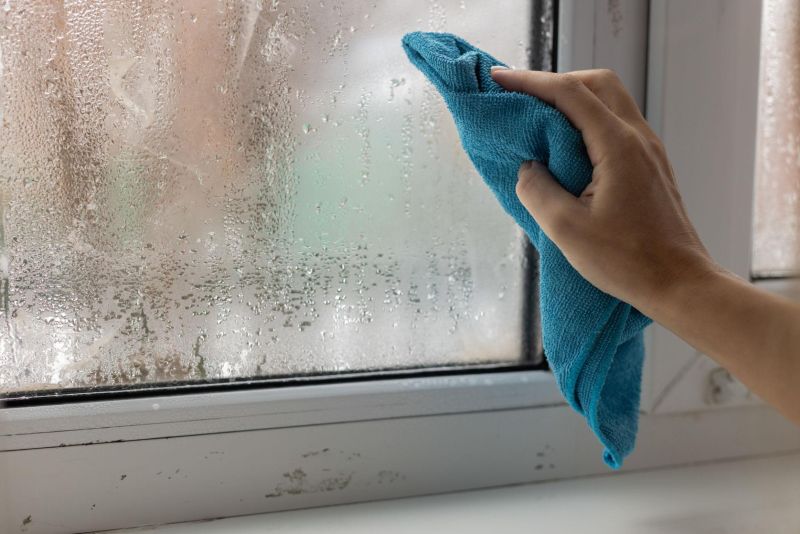
Do you wake up to find water droplets covering the inside of your bedroom windows? Window condensation is common during colder weather, particularly when indoor humidity is high and outdoor temperatures cause the glass to become cold. While an occasional bit of condensation may not be unusual, repeatedly finding water pooling along window sills or collecting around the frames is worth investigating.
Make a habit of wiping away excess moisture, especially along the bottom of windows and in the corners where water can collect. Open curtains and blinds during the day to allow warmer room air to circulate around the glass. Heavy curtains that remain closed can restrict airflow and contribute to colder, damp areas around windows. Keeping furniture and other belongings from blocking nearby heating vents can also help improve air circulation.
If you are constantly wiping condensation from your windows, it is important to look beyond the visible water and consider what is causing it. Indoor humidity, inadequate ventilation and cold window surfaces can all contribute to the problem. For more practical advice, read my related article, How to Stop Condensation on Your Windows, which explores ways to reduce condensation and manage moisture around your windows.
Move Furniture Away from Cold Exterior Walls
Have you ever moved a dresser or wardrobe and discovered that the wall behind it looks discoloured or feels damp? Furniture positioned tightly against an exterior wall can restrict airflow, particularly in rooms that are already cold or poorly ventilated.
Leaving a little space between larger furniture pieces and outside walls allows air to circulate more freely. This is particularly important behind wardrobes, beds, sofas and large storage cabinets. Every so often, take a look behind furniture that rarely gets moved.
Closets can also benefit from better airflow. Avoid packing clothing and belongings so tightly that air cannot circulate. If a closet regularly smells musty, investigate whether there is a moisture problem rather than simply using scented products to cover the smell.
Don’t Forget the Basement and Other Hidden Spaces
Basements are particularly important when checking for dampness and mould. Even when the main living areas feel comfortable, moisture can accumulate downstairs, especially in older homes with foundation issues, poor drainage or limited ventilation.
Look for damp patches, water stains, peeling paint, musty smells and visible discolouration. Check around basement windows, plumbing connections, laundry equipment and the areas where walls meet the floor. Cardboard boxes, old clothing and stored fabrics can absorb moisture, making them vulnerable to mould growth.
It is also worth checking under sinks, around washing machines, behind toilets and beneath bathroom vanities. A small plumbing leak can continue unnoticed for weeks or months, allowing moisture to collect inside cupboards or behind walls.
Outside, keep gutters and downspouts clear so rainwater and melting snow are directed away from your foundation. Check that the ground around your home slopes away from the building rather than allowing water to collect beside it.
Watch for the Smell of a Damp House
A musty, earthy smell is something homeowners and renters should pay attention to, particularly when it seems to linger no matter how often you clean or freshen the room. You might notice it when walking down the basement stairs, opening a closet that has been closed for several days or entering a spare bedroom that does not get much use. Sometimes the smell is more noticeable after heavy rainfall or during humid weather.
Although a musty smell does not automatically mean there is visible mould, it can be a warning sign of excess moisture, damp building materials or hidden mould growth. The source may be somewhere you cannot easily see, such as behind furniture, underneath flooring, inside a cupboard, around basement windows or behind drywall. Simply lighting a scented candle, spraying an air freshener or using fragrance products will only mask the smell rather than address the underlying problem.
Instead, take some time to investigate. Look for water stains, peeling paint, damp carpets, discoloured walls and signs of condensation. Check under sinks, around plumbing connections and in corners where air circulation may be limited. If the smell is particularly noticeable in your basement, you may also find this article, How to Get Rid of Musty Basement Smells, helpful. It explores practical ways to tackle lingering basement odours.
If the smell persists and you cannot identify where it is coming from, consider having your home assessed by someone experienced in moisture and mould investigations. Finding the source is important because improving ventilation alone will not resolve an ongoing plumbing leak, water intrusion or dampness behind walls. The sooner you identify the problem, the better your chances of preventing further moisture damage.
Make Sure Your Home’s Ventilation System Is Working
Some homes have more than bathroom and kitchen fans to manage indoor air. Heat recovery ventilators (HRVs) and energy recovery ventilators (ERVs) are designed to exchange indoor and outdoor air while helping manage energy loss. They can be particularly useful in newer, more airtight Canadian homes.
If your home has one of these systems, make sure it is operated and maintained according to the manufacturer’s instructions. Filters and components may need regular cleaning or replacement. If you are unsure whether your ventilation system is working correctly, a qualified ventilation contractor can inspect it.
It is also important not to block heating vents or air returns with furniture, rugs or storage containers. Good air circulation throughout the home helps prevent certain rooms from becoming unnecessarily cold or stuffy.
What Should You Do If You Already Have Mould?
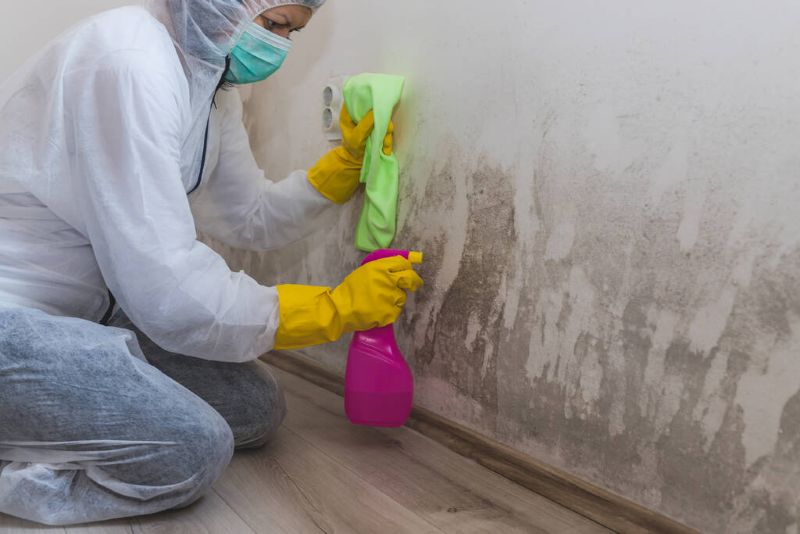
Preventing mould and dealing with mould that is already present are two different things. If you discover mould in your home, the first step is to identify where the moisture is coming from and correct the problem. Whether it is a leaking pipe, persistent window condensation, water entering through the foundation or inadequate ventilation, addressing the underlying cause is essential. Simply cleaning visible mould without fixing the moisture problem may allow it to return.
Small areas of mould on suitable surfaces may be manageable with proper cleaning precautions. However, extensive mould growth, recurring problems or mould following flooding and significant water damage may require professional assessment and remediation. If you are unsure how extensive the problem is, seek advice from a qualified professional.
For renters, it is important to photograph visible mould, document water damage and notify the landlord promptly. Ongoing moisture problems should not be ignored or left untreated.
There is also more to consider than the appearance of mould. Different types of household mould can affect indoor air quality and may have health implications, particularly for people with allergies, asthma or other respiratory sensitivities. If you would like to learn more, read this related article, Understanding Mold in Your Home and Its Health Impact, where we explore why mould matters and what homeowners should understand about its potential health effects.
A Healthier Home Starts with Everyday Habits
Keeping mould away is not just about cleaning more often. It is about understanding where moisture comes from, giving indoor air somewhere to go and addressing dampness before it becomes a bigger problem.
A little house burping, regular use of extractor fans, keeping trickle vents unobstructed, monitoring humidity and checking hidden spaces can all contribute to a better-maintained home. These habits are relatively simple, but they encourage us to pay attention to what is happening behind closed doors, curtains and cupboards.
You do not need to leave your windows wide open all winter or turn your home into a cold, uncomfortable space. The goal is to find the right balance between ventilation, moisture control and keeping your home warm.
Sometimes, helping your house breathe is one of the simplest ways to help protect it.