Frozen Pipes: Does Home Insurance Cover Damage?
15 min read
2975 words
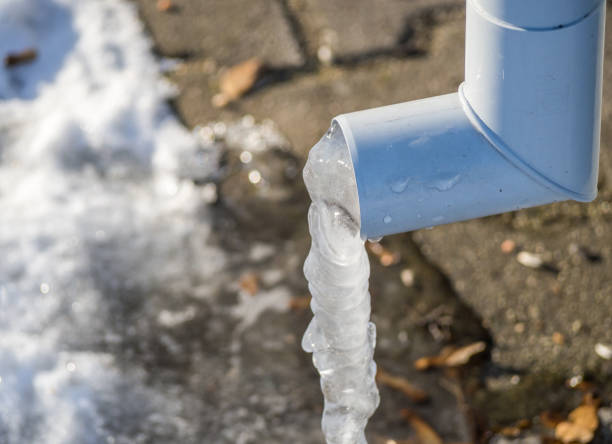
Winter in Canada can be hard on a home. When temperatures plunge, plumbing is one of the areas that can be especially vulnerable. A pipe may freeze quietly inside a wall, basement, crawl space or other cold area. When that frozen pipe eventually bursts, the resulting water damage can be extensive.
For homeowners, one of the first questions is usually: Does home insurance cover frozen pipes?
In many cases, home insurance can cover sudden and accidental water damage caused by a frozen and burst pipe. However, coverage is not automatic. Your insurer may look at how the damage happened, whether the home was properly maintained and heated, whether you were away from the property, and what your particular insurance policy says.
Understanding your frozen pipe insurance coverage before winter arrives can help you avoid an unpleasant surprise if a pipe bursts.
Does Home Insurance Usually Cover Frozen Pipes?
In many cases, yes. A standard home insurance policy may cover water damage resulting from a pipe that freezes and bursts unexpectedly.
The important distinction is between the cause of the loss and the resulting damage.
For example, suppose a water supply pipe freezes during an extreme cold snap and bursts. Water escapes and damages the drywall, flooring and furniture in your home. If the loss is covered under your policy, your insurance may help pay for the resulting repairs, subject to your deductible, coverage limits and policy conditions.
That does not necessarily mean every expense associated with the frozen pipe will be covered.
Home insurance is generally intended to protect you against covered, unexpected losses. It is not designed to pay for routine maintenance or problems that develop over time.
Because insurance policies differ, do not assume that another homeowner’s coverage will be identical to yours. Your policy wording is what ultimately matters.
When Will Insurance Cover a Frozen or Burst Pipe?
There are several factors that can affect whether an insurance claim for burst pipes is covered.
The Damage Was Sudden and Accidental
Insurance generally responds differently to a sudden pipe rupture than it does to a plumbing problem that has been developing for months.
If a pipe unexpectedly freezes and bursts, causing water to escape into your home, the resulting damage may be covered if freezing and the resulting water escape are covered under your policy.
You Took Reasonable Precautions
Homeowners are expected to take reasonable steps to protect their property.
That can include keeping the home adequately heated during cold weather, insulating vulnerable pipes and dealing with known plumbing problems.
If you knew a particular pipe was repeatedly freezing and did nothing to address the problem, your insurer could question the claim.
The Property Was Properly Maintained
Regular home maintenance matters.
Old or deteriorating plumbing does not necessarily mean an insurance claim will automatically be denied. However, insurance generally is not intended to pay for ordinary wear and tear or a maintenance problem simply because it eventually causes damage.
You Followed the Conditions of Your Policy
This is particularly important if you are leaving your home for an extended period during the winter.
Some policies have specific requirements concerning unoccupied or vacant homes. Those requirements can include maintaining heat, shutting off the water or having someone check the property regularly.
Before leaving your home for an extended winter trip, check your policy or contact your insurance representative so you know what is required.
When Might a Frozen Pipe Claim Be Denied?
A frozen pipe does not automatically guarantee an insurance payout.
Depending on the policy and circumstances, coverage could be limited or denied in situations such as these.
The Home Was Not Adequately Heated
If the heat was turned off during a period of freezing temperatures and a pipe subsequently froze and burst, the insurer may investigate whether policy conditions were followed.
The Home Was Vacant or Unoccupied
Vacant and unoccupied properties can have different insurance requirements.
If you are going away for an extended period, do not assume your regular home insurance provides the same protection while the property is empty. Ask your insurer what steps you need to take before leaving.
There Was a Known Maintenance Problem
If a homeowner was aware of a serious plumbing problem and failed to address it, the insurer may consider whether the resulting damage was preventable.
The Damage Happened Gradually
Home insurance generally is not designed to cover damage that occurs slowly over time.
For example, a long standing leak that gradually damages drywall or flooring may be treated differently from a pipe that suddenly ruptures.
The Water Came From an Excluded Source
Not all water damage is treated the same way.
Water escaping from a burst interior pipe is different from water entering your home because of an overland flood, sewer backup or another source that may require separate coverage or an endorsement.
This is one reason it is important to understand exactly what water damage coverage your policy provides.
Does Home Insurance Cover the Cost of Replacing the Frozen Pipe?
This is where things can get confusing.
Insurance may cover damage caused by the burst pipe without necessarily covering every cost associated with the plumbing itself.
For example, your policy may help pay to repair water damaged flooring, drywall and other parts of the home after a covered loss. The cost of replacing old plumbing because it has deteriorated or reached the end of its useful life may be treated differently.
The answer can also depend on why the pipe failed and the specific wording of your policy.
If a pipe bursts, ask your insurer and plumber to clearly separate the cost of repairing the plumbing from the cost of repairing the resulting property damage. This can make the claims process easier to understand.
What Damage From a Burst Frozen Pipe May Be Covered?

If the loss is covered, water damage from frozen pipes can affect much more than the plumbing itself.
Depending on your policy, coverage may include damage to:
- Walls and ceilings
- Flooring
- Cabinets and other built in features
- Insulation
- Personal belongings
- Furniture
- Clothing
- Electronics
- Appliances
- Other insured property
Some policies may also provide Additional Living Expenses if a covered loss makes your home temporarily uninhabitable.
For example, if extensive water damage means you cannot safely live in your home while repairs are completed, your policy may help with eligible additional living expenses, subject to the terms and limits of the policy.
Do not assume every expense will qualify. Keep receipts and ask your insurer what expenses are covered before committing to significant costs whenever possible.
Does Home Insurance Cover Water Damage From a Frozen Pipe in the Basement?
A frozen pipe in the basement can create a particularly expensive problem.
A burst water line can send water across the basement floor, damaging drywall, flooring, furniture, stored belongings and other property.
If the water came from a covered plumbing loss inside the home, the resulting damage may be covered under your home insurance policy.
However, there is an important distinction between a burst interior pipe and flooding from outside the home.
Water entering a basement because of an overflowing river, heavy surface water or another external flooding event may be treated differently and could require specific flood or overland water coverage.
Likewise, sewer backup and sump pump problems may have their own coverage requirements.
If you have a finished basement, it is worth checking your policy before winter to understand exactly what water related coverage you have.
Likewise, sewer backup and sump pump problems may have their own coverage requirements. Understanding the different types of water damage that can affect your home can help you better understand what your insurance policy may cover.
If you have a finished basement, it is worth checking your policy before winter to understand exactly what water related coverage you have.
What Should You Do If a Pipe Freezes or Bursts?
If you discover a frozen or burst pipe, acting quickly can reduce the amount of damage.
1. Shut Off the Water
If a pipe has burst, turn off the main water supply if it is safe to do so.
Knowing where the main shut off valve is before an emergency happens can save valuable time.
2. Be Careful Around Electricity
If water has reached electrical outlets, appliances or other electrical equipment, do not put yourself at risk trying to reach them.
If it is safe to do so, shut off electricity to the affected area and contact a qualified professional if you are unsure what to do.
3. Document Everything
Take photos and videos as soon as it is safe.
Document:
- The burst or damaged pipe
- Standing water
- Damaged walls and flooring
- Damaged furniture
- Damaged personal belongings
- Any visible signs of the source of the leak
Good documentation can be extremely helpful when making an insurance claim.
4. Take Reasonable Steps to Prevent Further Damage
Once the immediate danger has been addressed, take reasonable steps to limit additional damage.
This might include removing standing water or arranging emergency water extraction.
Your insurer may also have specific instructions about emergency repairs and restoration, so contact them as soon as possible.
5. Contact Your Insurance Company
Report the loss promptly.
Ask your insurer what documentation they need, whether an adjuster will inspect the property and whether they have preferred restoration providers.
6. Call a Qualified Plumber
A licensed plumber can identify the cause of the failure and determine what needs to be repaired.
Keep copies of invoices, estimates and reports.
7. Keep Your Receipts
Save receipts for emergency plumbing, water removal, temporary repairs and other expenses related to the loss.
Do not throw away damaged property unless it poses a health or safety risk or your insurer tells you to do so. Your insurer may want to inspect damaged items.
Should You File an Insurance Claim for a Frozen Pipe?
Not every frozen pipe incident will result in a large insurance claim.
Your deductible is an important consideration.
For example, if the total covered damage is only slightly higher than your deductible, you may want to discuss your options with your insurer or insurance representative before deciding how to proceed.
On the other hand, a burst pipe can cause thousands or potentially tens of thousands of dollars in damage when water reaches walls, flooring and personal belongings.
Do not avoid reporting a serious loss simply because you are worried about your premiums. Your insurer can explain the claims process and your policy requirements.
Does Home Insurance Pay for Temporary Accommodation?
It can, if the underlying damage is covered and your policy includes the appropriate Additional Living Expenses or similar coverage.
For example, extensive water damage could make a home temporarily uninhabitable while drying, demolition and repairs take place.
Depending on the policy, eligible expenses may include temporary accommodation and certain additional costs associated with being displaced.
Coverage has limits and conditions, so speak with your insurer before assuming a particular expense will be reimbursed.
How to Prevent Frozen Pipes
The best frozen pipe insurance claim is the one you never have to make.
Canadian winters can bring sudden temperature drops, so it is worth preparing your plumbing before the coldest weather arrives.
Insulate Vulnerable Pipes
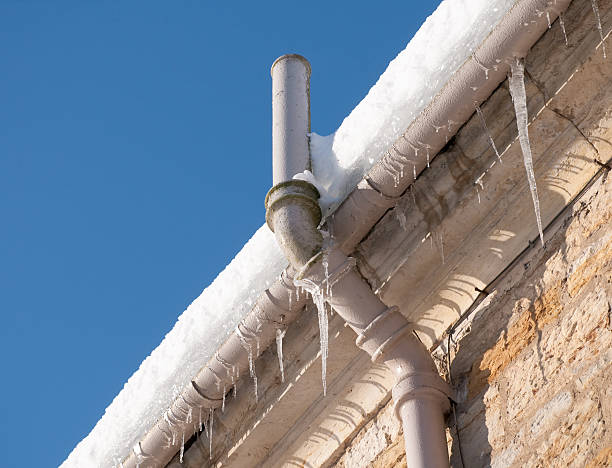
Pay particular attention to pipes located in areas that are not well heated, such as crawl spaces, garages, attics and exterior walls.
Pipe insulation can help reduce the risk of freezing.
Keep Your Home Heated
If you are leaving home during the winter, do not simply turn off the heat.
Maintain adequate indoor temperatures and follow any requirements specified by your insurance policy.
Disconnect Outdoor Hoses
Disconnect garden hoses before freezing weather arrives and make sure outdoor faucets are properly drained where appropriate.
Seal Drafts
Cold air entering through gaps around windows, doors, foundations and plumbing openings can increase the risk of pipes freezing.
Sealing drafts can help protect vulnerable areas.
Open Cabinet Doors When Appropriate
During periods of extreme cold, opening cabinet doors beneath sinks located along exterior walls can allow warmer household air to circulate around plumbing.
Know Where Your Water Shut Off Valve Is
Everyone in the household should know where the main water shut off valve is located.
If a pipe bursts in the middle of the night, you do not want to waste time searching for it.
Have Someone Check Your Home When You Are Away
If you are travelling during the winter, arrange for someone you trust to check the property as required by your insurance policy.
If you are going to be away for an extended period, speak with your insurer before you leave.
Consider Professional Winterizing
If a property will be left without heat or vacant for an extended period, professional winterizing may be appropriate.
A plumber can advise whether the plumbing system should be drained and what additional steps should be taken.
What Temperature Causes Pipes to Freeze?
There is not a single temperature at which every pipe will freeze.
The risk depends on several factors, including:
- Outdoor temperature
- How long the temperature remains below freezing
- Where the pipe is located
- Insulation
- Drafts
- Indoor temperature
- The home’s construction
- The type and configuration of the plumbing
Pipes in an unheated garage or exterior wall may be at greater risk than plumbing located deep inside a heated portion of the home.
That is why preparing before a major cold snap is important.
What If a Frozen Pipe Bursts While You Are Away?
Coming home to water damage after a winter vacation can be overwhelming.
First, shut off the water if it is safe to do so. Then document the damage and contact your insurer as soon as possible.
Be prepared to explain how long you were away, whether the heating system was operating and what precautions you took before leaving.
This is another reason to review your policy requirements before travelling.
Does Tenant Insurance Cover Frozen Pipes?
If you rent your home or apartment, the insurance situation is different.
The landlord’s insurance generally covers the building itself, while tenant insurance is designed to protect the renter’s belongings and certain liabilities.
If your belongings are damaged by water from a burst pipe, your tenant insurance may provide coverage if the loss is insured under your policy.
Renters should not assume that the landlord’s insurance will replace their personal belongings.
Frozen Pipes and Flooding Are Not the Same Thing
One of the most important distinctions homeowners should understand is the difference between a burst plumbing pipe and flooding.
A pipe inside your home that freezes and bursts is a plumbing related water loss.
Flooding caused by external water entering the property is a different situation.
Coverage for overland water, sewer backup, groundwater and other water related risks can vary significantly between policies and may require additional coverage.
If you live in an area where flooding is a concern, ask your insurance representative specifically about the water risks covered by your policy.
How to Make a Frozen Pipe Insurance Claim
If you need to make a claim, having good records can make the process much smoother.
Keep:
- Photos and videos of the damage
- Photos of the failed pipe
- Plumber reports and invoices
- Restoration estimates
- Receipts for emergency expenses
- A list of damaged belongings
- Purchase information or receipts for expensive items when available
- Notes about when the damage was discovered
- Information about what you did to prevent further damage
Most importantly, contact your insurer promptly and follow its instructions regarding emergency repairs, inspections and documentation.
Frequently Asked Questions
Will My Home Insurance Premium Increase If I File a Frozen Pipe Claim?
It can. The effect of a claim on your premiums or future insurance options depends on your insurer, your claims history and the circumstances of the loss. Your insurance representative can explain how a claim may affect your policy.
How Long Do I Have to Report a Burst Pipe?
Insurance policies generally require homeowners to notify the insurer promptly or within a specified period. Do not wait unnecessarily. Contact your insurer as soon as you discover significant water damage and follow the reporting requirements in your policy.
Does Home Insurance Cover Thawing a Frozen Pipe?
Usually, insurance is intended to cover insured damage rather than routine preventative work. If you discover a frozen pipe before it bursts, contact a qualified plumber and check with your insurer if you believe damage has already occurred.
Is Mold Caused by a Burst Pipe Covered?
It can depend on the cause of the water damage, the policy and how quickly the problem was addressed. If a covered burst pipe causes water damage and mold subsequently develops, there may be coverage, but mold exclusions, limitations and conditions can apply.
The best approach is to report significant water damage promptly and follow your insurer’s instructions for drying and remediation.
What If My Home Is Vacant?
Do not assume your regular home insurance provides full coverage while a property is vacant.
Policies can have specific conditions concerning vacancy, heating, inspections and water shut offs. If you are leaving a property empty during the winter, contact your insurer beforehand.
The Bottom Line
So, does home insurance cover frozen pipes?
In many cases, yes. Home insurance can cover sudden and accidental water damage caused by a frozen and burst pipe. But coverage depends on the policy and the circumstances surrounding the loss.
The biggest things homeowners should pay attention to are whether the home was properly heated, whether reasonable precautions were taken, whether the property was vacant or unoccupied, whether there was a maintenance issue and what the policy actually covers.
Do not wait for a burst pipe to find out what your insurance policy says.
Before the next Canadian cold snap, take a few minutes to review your coverage, find your main water shut off valve and make sure vulnerable plumbing is protected.
A little preparation can go a long way toward preventing frozen pipe damage and potentially a very expensive winter headache.