How to Prepare Your Home for a Power Outage
10 min read
1936 words
A power outage can happen on an ordinary day, but severe weather can make a loss of electricity more likely. In Canada, freezing rain, high winds, winter storms, wildfires, extreme temperatures and other events can damage power lines or place additional strain on the electrical system.
A short outage may be little more than an inconvenience. A longer one can mean losing heat or air conditioning, refrigeration, internet service, lighting and, in some situations, access to running water.
Preparing before the lights go out can make an outage considerably easier to manage.
The Government of Canada recommends households be prepared to take care of themselves for at least 72 hours during an emergency.
1. Build a 72-Hour Emergency Kit
Don’t wait for a major storm warning to start searching for flashlights and batteries.
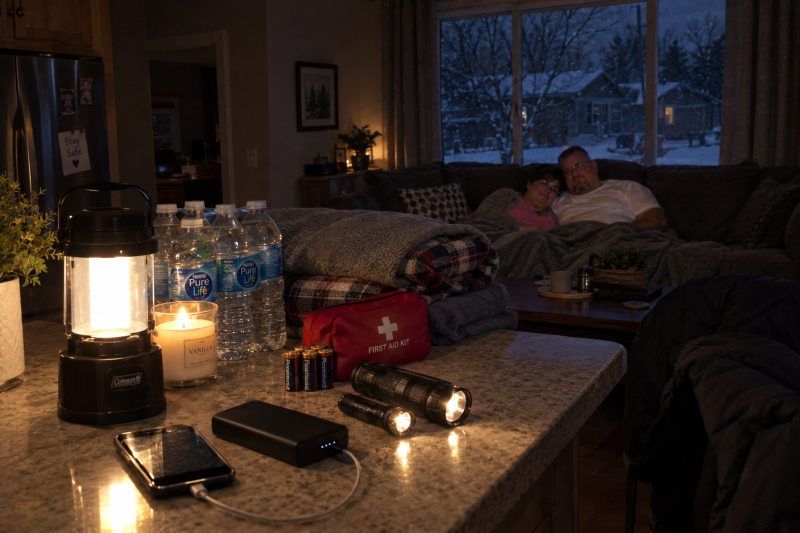
Keep an emergency kit somewhere that is easy to reach and make sure everyone in the household knows where it is.
Some useful supplies include:
- Drinking water
- Non-perishable food
- Manual can opener
- Flashlights
- Extra batteries
- Battery-powered or wind-up radio
- Power banks and phone chargers
- First aid supplies
- Prescription medications and necessary medical supplies
- Warm blankets and clothing
- Personal hygiene supplies
- Cash in smaller denominations
- Important documents
- Pet food and supplies
- Basic tools
The Government of Canada recommends approximately two litres of stored water per person per day for drinking, with additional water for cooking and hygiene.
Today’s Woman tip: Keep your emergency supplies together rather than scattered throughout the house. In a nighttime outage, you don’t want to search through several rooms for a flashlight.
2. Put Flashlights Where You Can Find Them
A flashlight is much safer during a power outage than relying on candles for lighting.
Keep flashlights in convenient locations such as:
- Near the bed
- In the kitchen
- Near the main entrance
- In the emergency kit
- On each frequently used floor
Check the batteries periodically.
It is also worth having at least one flashlight that can operate without disposable batteries, such as a hand-crank model.
3. Keep Your Phones Charged
Your smartphone may become an important source of information during an outage.
Keep a power bank charged and store charging cables with your emergency supplies.
Canada’s emergency preparedness guidance recommends considering a battery pack capable of charging important devices multiple times. A battery-powered or crank-operated radio can also be useful if internet or cellular service becomes unavailable.
Before a major storm, charge:
- Cellphones
- Power banks
- Rechargeable flashlights
- Tablets or other communication devices
You can conserve phone battery during an outage by reducing screen brightness and limiting unnecessary use.
4. Know Where Your Electrical Panel Is
Every adult in the household should know where the electrical panel is located.
Make sure the area around it remains accessible and isn’t blocked by boxes, furniture or storage items.
You should also know how to safely reset a tripped breaker.
However, don’t attempt electrical repairs you’re not qualified to perform. If there is a serious electrical problem, contact a qualified electrician.
5. Know Where Your Water Shut-Off Is
A power outage can create other problems, particularly during cold weather.
The Government of Canada recommends knowing how to shut off your home’s water system. During a prolonged winter outage, plumbing can be at risk of freezing, depending on the temperature and how long the home remains without adequate heat.
Before an emergency, find your main water shut-off valve and make sure it can be operated.
If you aren’t sure how your home’s plumbing system works, ask a plumber to show you.
6. Protect Your Refrigerator and Freezer
When the power goes out, keep refrigerator and freezer doors closed as much as possible.
Opening the door repeatedly allows cold air to escape and can shorten the time food remains safely chilled or frozen.
A full freezer can generally keep food frozen for approximately 24 to 48 hours if the door remains closed, according to the Government of Canada.
Don’t rely on appearance or smell alone to determine whether food is safe after an extended outage. Follow current food-safety guidance when deciding what to keep or discard.
7. Have a Plan for Heat or Cooling
A power outage can become a serious concern during extreme temperatures.
Before winter, consider what you would do if your primary heating system stopped working.
Before summer, consider how you would keep vulnerable household members comfortable during an extended heat-related outage.
Your backup plan might include:
- A safe alternative heating source
- Extra blankets
- Battery-powered fans
- A location where your household can stay if temperatures become unsafe
- Contact information for nearby family or friends
Never improvise a heating system using equipment that isn’t designed for indoor use.
8. Be Extremely Careful With Generators
A generator can provide useful backup electricity, but improper use can cause carbon monoxide poisoning or create an electrical hazard.
Portable fuel-burning generators should be operated at least 6 metres (20 feet) from the home or other buildings, with exhaust directed away from doors and windows.
Never operate a fuel-burning generator:
- Inside your home
- In a garage
- In a basement
- In a shed
- In another enclosed or partially enclosed space
Never plug a generator into a household wall outlet.
If a generator is being connected to a home’s electrical system, the Government of Canada recommends an approved transfer panel and switch installed by a qualified electrician.
9. Check Your Carbon Monoxide Alarms
Carbon monoxide is colourless and odourless, which makes a working carbon monoxide alarm particularly important during a power outage.
Check your home’s carbon monoxide alarms and smoke alarms regularly and replace batteries when necessary.
Never bring a barbecue, camping stove or other outdoor fuel-burning cooking equipment inside to prepare food or provide heat.
These devices should only be used outdoors and away from doors, windows and air intakes.
If a carbon monoxide alarm sounds, leave the home and move to fresh air. Call 9-1-1 or your local emergency service once you are outside.
10. Prepare for Special Household Needs
A basic emergency kit isn’t necessarily enough for every household.
Think about what each person would need if electricity were unavailable for several days.
This may include:
- Prescription medications
- Medical equipment
- Mobility equipment
- Baby supplies
- Pet food and medication
- Eyeglasses
- Hearing-related equipment
- Backup batteries
- Special dietary needs
The Government of Canada specifically recommends planning for medical devices that require electricity, refrigerated medications and other health-related needs during a power outage.
If someone in your household depends on electrically powered medical equipment, discuss an outage plan with their healthcare provider and the appropriate equipment provider before an emergency occurs.
11. Protect Electronics From Power Surges
A power outage isn’t the only concern.
When electricity is restored, power fluctuations or surges can potentially damage sensitive electronics.
For everyday protection, surge-protecting power bars can be useful for electronics such as computers and televisions.
The Government of Canada also recommends considering a whole-home surge protector, which can provide more comprehensive protection than a standard surge-protecting power bar.
For valuable electronics, follow the manufacturer’s recommendations for surge protection and backup power.
12. Make a Household Power-Outage Plan
An emergency plan doesn’t need to be complicated.
Decide in advance:
- Where the emergency kit is stored
- Who will check on family members
- How you will receive emergency information
- Where everyone will meet if you need to leave
- Where pets can go if evacuation becomes necessary
- Who has access to the home
- Where important utility shut-offs are located
- What to do if someone needs medical equipment
Canada’s emergency planning resources recommend considering the specific needs of children, older adults, pets and people with special health needs.
What Should You Do When the Power Goes Out?
When the electricity suddenly disappears, take a moment before reaching for appliances or candles.
First, determine whether the outage is limited to your home or affecting the neighbourhood.
Check your electrical panel if it is safe to do so, then check your local utility’s outage information.
During an outage:
- Use flashlights rather than candles when possible.
- Unplug unnecessary appliances and electronics.
- Leave one light on so you know when power returns.
- Keep the refrigerator and freezer closed.
- Conserve your phone battery.
- Listen to official emergency information.
- Avoid unnecessary driving, particularly if traffic signals are out.
- Never touch a downed power line.
The Government of Canada also recommends turning the thermostat down during an outage to help prevent damage from a possible power surge when electricity returns.
What About Candles?
Candles can provide light during an outage, but they introduce a fire risk.
If you keep candles in your emergency supplies, store them safely and use them only with appropriate fire precautions.
A flashlight or battery-powered lantern is generally a better first choice for routine lighting during an outage.
Don’t Use Your Vehicle in a Garage to Stay Warm
If your home becomes cold during a winter outage, don’t sit in a running vehicle inside a garage, even if the garage door is open.
Carbon monoxide can accumulate quickly and can be deadly.
If you need to use your vehicle for warmth or to charge a device, move it completely outdoors.
What Should You Do When Power Returns?
Don’t immediately switch every appliance back on.
Allow the electrical system time to stabilize. The Government of Canada recommends reconnecting the heating system first, followed by the refrigerator and freezer, and waiting approximately 10 to 15 minutes before reconnecting other appliances and equipment.
If you notice sparks, smoke, burning smells or other signs of an electrical problem, stay away from the affected equipment and contact a qualified professional.
Don’t Forget Your Pets
Pets need an outage plan, too.
Keep extra food and water with your emergency supplies and consider medications or other items your pet regularly needs.
If you need to evacuate, take your pets with you whenever possible. Canada’s emergency planning guidance recommends identifying pet-friendly accommodations, shelters or people who could care for your pets ahead of time.
Check Your Emergency Supplies Twice a Year
You don’t need to rebuild your emergency kit every year.
Instead, use the spring and fall time changes as reminders to check your supplies.
Replace:
- Expired food
- Dead batteries
- Old medications
- Damaged supplies
- Seasonal clothing
- Pet supplies
Canada’s emergency kit guidance specifically recommends reviewing and updating supplies periodically and adapting the kit to seasonal needs.
A Simple Power-Outage Checklist
Before the next outage, make sure you can answer “yes” to these questions:
- Do I have enough supplies for at least 72 hours?
- Do I know where the flashlights are?
- Are my power banks charged?
- Do I have enough drinking water?
- Do I have food that doesn’t require refrigeration?
- Do I have a manual can opener?
- Do I know where my electrical panel is?
- Do I know where my water shut-off valve is?
- Are my smoke and carbon monoxide alarms working?
- Do I have a safe plan for heating or cooling?
- Do I know how I would handle medical equipment?
- Do I have supplies for my pets?
- Do I know where to get official outage information?
- Does everyone in the household know the emergency plan?
The Bottom Line

A power outage is much easier to manage when you aren’t trying to find a flashlight, charge a dead phone and figure out what to do with the freezer at the same time.
Preparing a 72-hour emergency kit, planning for temperature changes, protecting your electronics, maintaining working alarms and knowing how to safely use backup power can make a significant difference.
The goal isn’t to prepare for every possible disaster. It’s to make sure your household has the basics it needs to stay safe and comfortable while normal services are restored.
Today’s Woman safety reminder: Never use fuel-burning generators, barbecues, camping stoves or other outdoor combustion equipment inside a home, garage, basement or other enclosed space. Carbon monoxide can be deadly.