Complete Guide to Houseplants for Every Home
10 min read
1904 words
There’s something undeniably magical about walking into a room filled with the vibrant greens and unique shapes of thriving houseplants. Their enduring popularity isn’t just a trend; it’s a connection to nature that modern homes deeply crave. Indoor plants do more than just decorate; they can transform your space and your well-being. In this indoor plant guide, we’ll explore everything you need to know to start or expand your collection. You’ll learn how to choose the best houseplants for your unique environment, master essential houseplant care, and get inspired to green every corner of your home. Whether you’re a complete novice or looking to refine your skills, this guide is your first step to becoming a confident plant parent. For specific care routines, you’ll find links to detailed guides for individual plants throughout.
Houseplant Care at a Glance
| Care Need | General Recommendation |
|---|---|
| Light | Most houseplants prefer bright, indirect sunlight |
| Watering | Water when the top layer of soil feels dry |
| Humidity | Most tropical plants prefer moderate to high humidity |
| Temperature | Most indoor plants thrive between 18–24°C (65–75°F) |
| Fertilizer | Feed during active growth in spring and summer |
| Repotting | Usually every 1–2 years depending on growth |
Why Houseplants Are Worth Growing
Beyond adding beauty to your home, houseplants can also create a calming environment and help you feel more connected to nature during the colder months. Discover more ways greenery can support your well-being in our article, How Plants Can Help With the Winter Blues.
- Improve Home Décor: Plants are living, architectural elements that add color, texture, and a dynamic focal point to any style.
- Create a Relaxing Atmosphere: Studies suggest the presence of greenery can reduce stress and promote a sense of calm.
- Connect with Nature Indoors: They provide a vital link to the natural world, especially in urban settings.
- May Help Improve Indoor Air Quality: While effects are localized, plants can filter common airborne toxins.
- Can Slightly Increase Humidity: Through transpiration, they add moisture to dry air, which is great for your skin and respiratory system.
- Suitable for Any Home: From spacious houses to compact apartments, there’s a perfect plant for every living situation.
Choosing the Right Houseplant: Match the Plant to Your Life
The secret to success is selecting plants that fit your environment and lifestyle. Ask yourself:
1. What’s Your Lighting?
- Bright Indirect Light: The holy grail for many tropical plants. Think near a south- or west-facing window with sheer curtains.
- Direct Sunlight: Ideal for succulents and cacti. Perfect for a sunny, south-facing windowsill.
- Low Light: North-facing rooms or corners far from windows. Many hardy easy houseplants thrive here.
- Artificial Lighting: Office lights can sustain certain low-light tolerant plants, though growth will be slower.
2. What’s Your Lifestyle?
- Busy Schedule: Choose ultra-low-maintenance houseplants like Snake Plants or ZZ Plants that forgive irregular watering.
- Frequent Traveler: Look for plants that store water, like Succulents, Aloe Vera, or the resilient Cast Iron Plant.
- Families & Pet Owners: Safety is key. Opt for pet-friendly houseplants like Spider Plants or Boston Ferns (always verify with a pet poison resource).
3. What’s Your Experience Level?
- Beginner: Start with forgiving, resilient varieties to build confidence.
- Intermediate/Advanced: Explore more finicky plants like Calatheas, Fiddle Leaf Figs, or rare Aroids.
Best Houseplants for Beginners
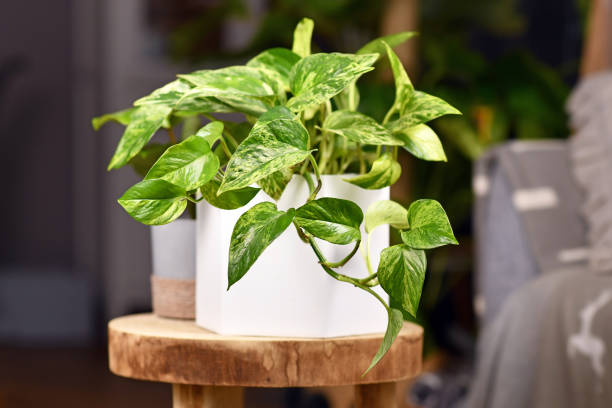
If you’re new to indoor gardening, choosing resilient plants is the best way to build confidence. Many beginner-friendly varieties require minimal care and can adapt to different home environments. For more inspiration, explore our Ultimate Guide to Easy Indoor Plants You Can’t Kill for low-maintenance options that thrive with less attention.
- Snake Plant (Sansevieria): The ultimate survivor. Thrives in low to bright light and only needs water every few weeks.
- Pothos (Epipremnum aureum): A fast-growing, vining plant that clearly communicates when it’s thirsty. Perfect for shelves or hanging baskets.
- Spider Plant (Chlorophytum comosum): Adaptable, non-toxic to pets, and produces adorable “baby” spiderettes you can propagate.
- ZZ Plant (Zamioculcas zamiifolia): With its glossy, dark leaves and rhizomes that store water, it’s practically indestructible.
- Cast Iron Plant (Aspidistra elatior): Lives up to its name, tolerating neglect, low light, and temperature fluctuations like a champion.
- Chinese Evergreen (Aglaonema): Offers beautiful patterned foliage and thrives in low to moderate light conditions.
- Aloe Vera: A useful succulent that prefers bright light and infrequent watering. Its gel has soothing properties.
For plant lovers who enjoy lush greenery and classic indoor plants, the Boston fern is a beautiful choice. With its graceful arching fronds, this timeless houseplant adds softness and texture to any room. Learn more about growing this elegant fern in our guide: The Boston Fern: Houseplant That Elevates Your Space.
Best Houseplants by Room
Living Room: Make a statement with large, sculptural plants like a Fiddle Leaf Fig, Monstera Deliciosa, or a Bird of Paradise.
Bedroom: Foster tranquility with calming, air-purifying plants like a Snake Plant or a Peace Lily (note: Peace Lilies are toxic to pets if ingested).
Bathroom: Embrace the humidity! Perfect plants include Boston Fern, Bird’s Nest Fern, and Calathea, which flourish in steamy conditions.
Kitchen: Grow useful herbs like basil, mint, and rosemary on a sunny sill, or add compact greenery like a Pilea Peperomioides (Chinese Money Plant).
Home Office: Boost focus with easy, low-fuss plants like a ZZ Plant, Pothos, or a small Snake Plant on your desk.
Entryway: Welcome guests with a striking Dracaena or a graceful Areca Palm that creates a lasting first impression.
Best Houseplants for Different Lighting Conditions
- Bright Indirect Light: Monstera Deliciosa, Boston Fern, Philodendron, Rubber Plant, Calathea.
- Low Light: ZZ Plant, Snake Plant, Cast Iron Plant, Peace Lily, Dracaena.
- Sunny Windows (Direct Sun): Aloe Vera, Jade Plant, Succulents, Cacti, Croton.
The Most Low-Maintenance Houseplants
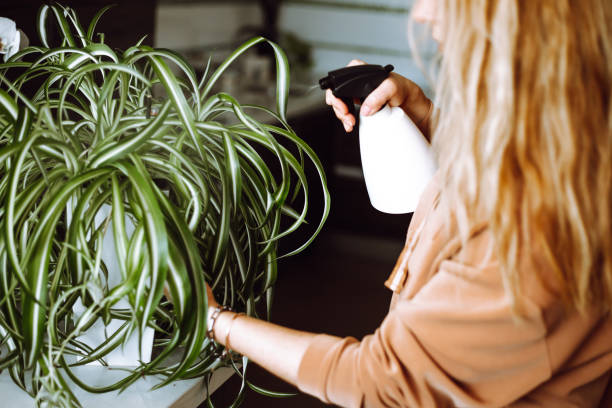
For the forgetful or busy plant owner, these low-maintenance houseplants are practically carefree:
- Snake Plant: Water only when soil is completely dry.
- ZZ Plant: Thrives on neglect and low light.
- Pothos: Only needs water when its leaves start to droop slightly.
- Spider Plant: Forgiving and easy to propagate.
- Peace Lily: Dramatically droops when thirsty—a clear indicator to water, then perks right back up.
Pet-Friendly Houseplants
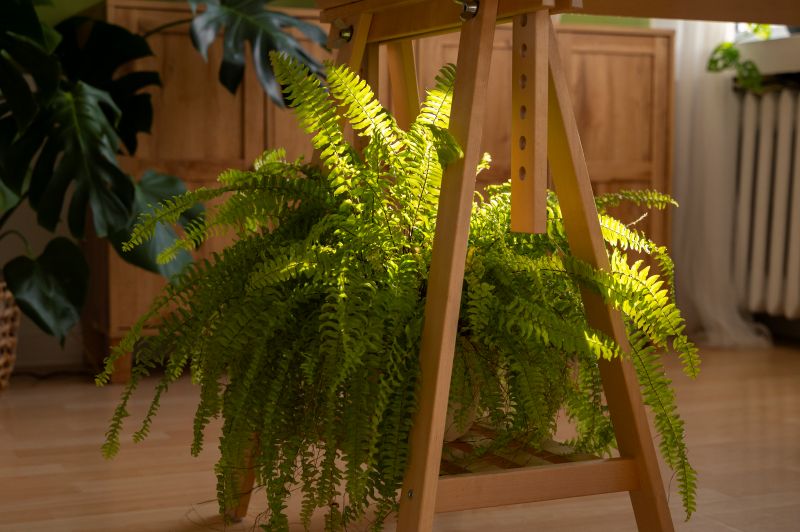
Love plants and pets? Choose these non-toxic varieties to keep everyone safe:
- Boston Fern
- Spider Plant
- Areca Palm
- Calathea
- Parlor Palm
- Polka Dot Plant
- African Violet
Always check resources like the ASPCA’s Toxic and Non-Toxic Plants list and consult your veterinarian if you have any concerns.
Houseplant Care Basics
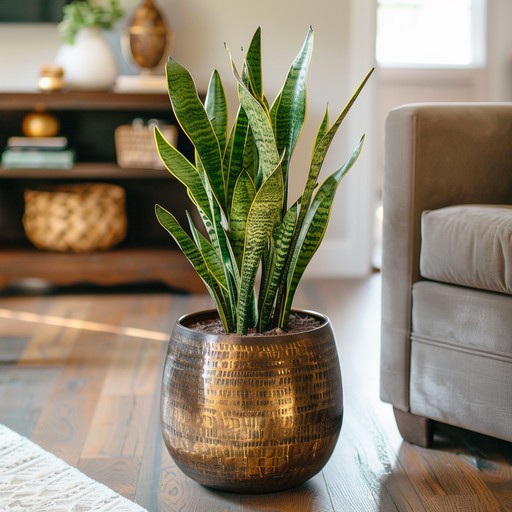
Watering: The #1 challenge. Avoid a strict schedule. Instead, check soil moisture with your finger. Water thoroughly when the top inch or two feels dry. Signs of overwatering include yellow leaves and mushy stems. Signs of underwatering are crispy, brown leaves and wilting.
Light: Insufficient light is a common cause of leggy, pale growth. Rotate your plants regularly for even development.
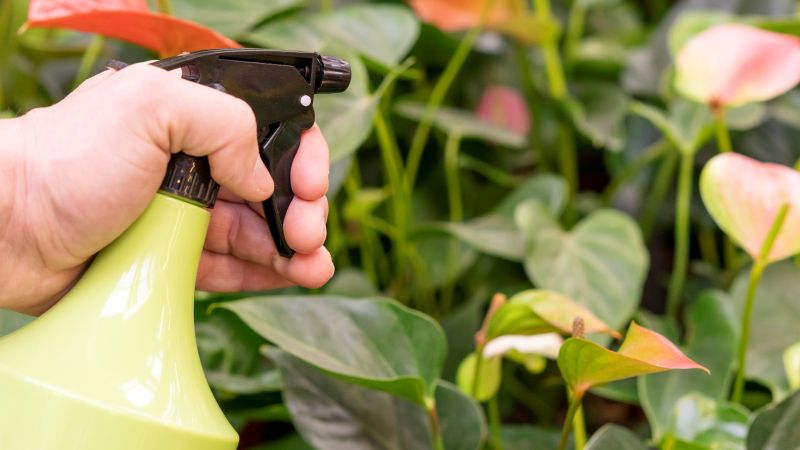
Humidity: Most tropical plants love humidity. Increase it by placing pots on a pebble tray filled with water, using a humidifier, or grouping plants together.
Fertilizing: Feed your plants with a balanced liquid fertilizer during their growing season (spring and summer). Withhold fertilizer in fall and winter when growth naturally slows.
Cleaning Leaves: Gently wipe leaves with a damp cloth to remove dust. This helps the plant breathe and photosynthesize, and it looks much nicer.
Choosing the Right Pot and Soil: Always use pots with drainage holes. Choose a pot only slightly larger than the root ball when repotting. Use a high-quality potting mix designed for indoor plants, not garden soil.
Common Houseplant Problems at a Glance
| Problem | Likely Cause | Simple Solution |
|---|---|---|
| Yellow leaves | Overwatering | Reduce watering frequency; check drainage. |
| Brown leaf tips | Dry air or inconsistent watering | Increase humidity; water more consistently. |
| Wilting | Underwatering (or overwatering) | Water thoroughly; check if soil is waterlogged. |
| Leggy, stretched growth | Insufficient light | Move plant to a brighter location. |
| Root rot | Poor drainage / overwatering | Remove plant, trim rotted roots, repot in dry soil. |
Common Houseplant Pests
Watch for these tiny invaders: spider mites (fine webs), mealybugs (cottony white clusters), fungus gnats (tiny flies in soil), scale insects (brown bumps on stems), and aphids. Isolate affected plants and treat with insecticidal soap or neem oil.
Fungus gnats are one of the most common pests that indoor gardeners encounter. These tiny flying insects are often attracted to consistently damp potting soil, and controlling them usually requires addressing both the adult gnats and the larvae living in the soil. For a step-by-step solution, read our guide on Eliminating Gnats on Your Plants: A Comprehensive Guide.
Decorating with Houseplants
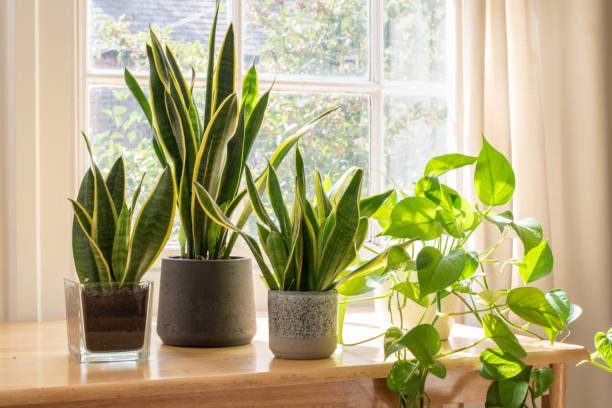
Elevate your interior design with these ideas:
- Plant Shelves: Create a vertical garden.
- Hanging Baskets: Draw the eye upward with trailing Pothos or String of Pearls.
- Plant Stands: Add height and focus to a large floor plant.
- Window Displays: Create a miniature greenhouse effect on wide sills.
- Dining Table Centerpiece: Use a cluster of small, low-profile plants or a single elegant orchid.
- Bedroom Corners: Fill empty corners with a tall, graceful palm.
Popular Houseplant Decorating Trends
Houseplants have become an important part of modern home décor. Today’s trends focus on creating natural, calming spaces that blend greenery with personal style.
- Urban Jungle Style: Combine multiple plants at different heights for a lush indoor garden feel.
- Minimalist Greenery: Use one statement plant in a simple planter for a clean look.
- Plant Shelving: Create decorative displays with smaller plants, books, and accessories.
- Biophilic Design: Incorporate natural elements like wood, stone, and greenery to create a relaxing environment.
Seasonal Houseplant Care
- Spring: Time to fertilize, repot if needed, and gradually increase watering as growth resumes.
- Summer: Monitor moisture closely as plants grow actively. Rotate plants for even sun exposure and watch for pests.
- Fall: Reduce fertilizer and clean leaves to prepare for winter.
- Winter: Water less as growth slows. Increase humidity from dry heating and keep plants away from cold drafts and direct heat vents.
Easy Houseplants That Flower
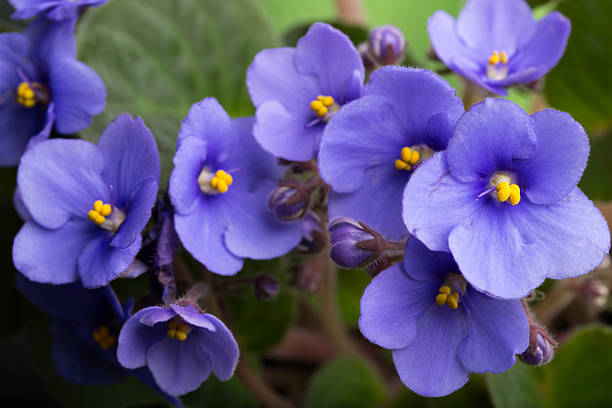
Want blooms without the fuss? Try these reliable choices:
- Peace Lily
- African Violet
- Christmas Cactus
- Anthurium
- Bromeliad
- Kalanchoe
Frequently Asked Questions
Which houseplant is easiest to grow? The Snake Plant and ZZ Plant are top contenders for their extreme resilience.
How often should I water houseplants? There’s no universal schedule. Water when the top inch of soil feels dry. This could be weekly for some plants or once a month for others.
Why are my leaves turning yellow? The most common cause is overwatering. Allow the soil to dry out more between waterings.
Do houseplants need fertilizer? Yes, during the growing season (spring/summer). Use a balanced liquid fertilizer diluted to half-strength monthly.
Which plants grow well in low light? ZZ Plant, Snake Plant, Cast Iron Plant, and Pothos are excellent low-light options.
How often should I repot houseplants? Typically every 1-2 years, or when roots are circling the bottom of the pot or growing out of the drainage holes.
Are houseplants safe for pets? Many are toxic. Always research a plant before bringing it home if you have curious pets. See our pet-friendly list above for safe options.
What’s the best houseplant for beginners? The Pothos or Spider Plant are fantastic starter plants—they’re forgiving and show clear signs when they need care.
Conclusion: Start Your Indoor Garden Today
Houseplants bring life, beauty, and a host of benefits into our homes. The key to success is simple: match the plant’s needs to the conditions you can provide. Start with just one or two easy houseplants from our list. As you gain confidence and learn the rhythms of care, you can gradually expand your collection. Welcome to the wonderful, rewarding world of indoor gardening!