
Protein Coffee Trend: Is It Actually Healthy?
7 min read
1224 words
Protein coffee, also known as “proffee,” has become one of the latest wellness trends gaining attention on social media. From fitness creators sharing their morning routines to busy professionals looking for quick breakfast options, adding protein to coffee has become a popular way to combine two daily habits into one drink. The idea behind protein coffee is simple: combine the alertness that comes from caffeine with the benefits of protein. Many people use it as a quick breakfast option, a preworkout drink, or a way to increase their daily protein intake.
But like many popular health trends, it is worth looking beyond the hype. Is protein coffee actually a healthy choice, or is it just another social media trend?
What Is Protein Coffee?

Protein coffee is exactly what it sounds like: coffee combined with a source of protein. While the concept is simple, there are many different ways to make it.
Common versions include:
- Mixing protein powder into hot or iced coffee
- Blending cold brew with a ready to drink protein shake
- Using high protein milk, such as ultra filtered dairy milk or soy milk
- Buying prepared protein coffee beverages
The nutritional value can vary greatly depending on the ingredients. A simple coffee with protein powder may have very different benefits compared with a coffee loaded with flavored syrups, sweeteners, and high calorie creamers.
Why Is Protein Coffee Trending?
The popularity of protein coffee comes down to convenience. Many people want a nutritious breakfast but struggle to find time for a full meal in the morning. Coffee is already part of many daily routines, so adding protein feels like an easy upgrade.
There is also growing interest in higher protein diets. Protein is important for maintaining muscle, supporting healthy aging, helping with recovery after exercise, and keeping people feeling satisfied after meals.
For adults trying to meet their daily protein needs, especially those who are more active or focusing on maintaining muscle as they age, protein coffee can be a convenient option.
Social media has also helped fuel the trend. Videos showing iced protein coffee recipes often make the drink look simple, affordable, and easy to customize at home.
Potential Benefits of Protein Coffee

It Can Help Increase Protein Intake
Protein plays an important role in the body. It supports muscle repair, helps maintain lean muscle mass, and contributes to many essential functions.
Some people, especially older adults, do not consume enough protein throughout the day. Adding protein to coffee can be one small way to increase intake, particularly when combined with an overall balanced eating pattern.
It May Help You Feel Fuller
Protein is more filling than many carbohydrate based foods and can help reduce hunger between meals. A protein coffee may help some people feel satisfied longer compared with drinking plain coffee alone.
However, protein coffee is not a replacement for healthy eating habits. A balanced diet that includes vegetables, fruits, whole grains, healthy fats, and protein rich foods is still important.
It Provides Energy and Nutrition Together
Coffee provides caffeine, which can improve alertness and focus. Adding protein provides nutrients that coffee alone does not contain.
For people who enjoy coffee but often skip breakfast, protein coffee can provide a more balanced start to the day.
Is Protein Coffee Good for Weight Loss?
Protein coffee may support weight management, but it is not a magic weight loss solution.
For example, replacing a sugary coffee drink and pastry with a protein coffee may reduce calories and provide more protein. The added protein may also help reduce cravings and prevent unnecessary snacking later in the morning.
On the other hand, adding protein powder, sweet creamers, syrups, and extra toppings to an already full breakfast can increase calories rather than support weight goals.
The healthiest approach is to look at the entire day of eating, not one individual drink.
How Much Protein Should You Add to Coffee?
Many protein coffee recipes contain between 15 and 30 grams of protein, which is similar to the amount found in one serving of many protein powders.
The right amount depends on individual needs, including age, activity level, health goals, and overall diet.
People who exercise regularly or want to support muscle maintenance may have different protein needs than someone who is less active. More protein is not always better, and spreading protein intake throughout the day is often recommended.
How to Make a Healthy Protein Coffee
The biggest challenge with protein coffee is creating a smooth drink without clumps. Mixing protein powder directly into very hot coffee can sometimes create an unpleasant texture.
Simple Protein Coffee Recipe
Ingredients:
- 1 cup brewed coffee or cold brew
- 1/2 to 1 scoop protein powder
- A splash of unsweetened milk or milk alternative
- Cinnamon or vanilla for extra flavor
Instructions:
If using hot coffee, allow it to cool slightly. Mix the protein powder with a small amount of milk or water first to create a smooth mixture. Then slowly add the coffee while stirring.
For an iced version, blend coffee, ice, protein powder, and milk together for a creamy drink.
For a chocolate mocha twist, try adding a quality chocolate protein powder to your coffee. If you prefer a dairy-free option, learn more about choosing the
best plant-based chocolate protein powder for your nutrition goals.
Common Protein Coffee Mistakes
Adding Too Much Sugar
Flavored syrups, sweetened creamers, and dessert style toppings can quickly turn protein coffee into a high calorie treat.
Using It Instead of Every Meal
While protein coffee can be convenient, it does not provide all the nutrients found in a balanced breakfast. Whole foods often provide important fiber, vitamins, and minerals.
Not Checking Protein Powder Ingredients
Protein powders vary widely. Some contain added sugars, artificial sweeteners, or ingredients that may not work well for everyone. Reading the nutrition label can help you choose an option that fits your needs.
Protein Coffee vs Regular Coffee
| Feature | Regular Coffee | Protein Coffee |
|---|---|---|
| Calories | Very low when served black | Higher depending on ingredients |
| Protein | Very little | Provides added protein |
| Fullness | Usually less filling | May help with hunger control |
| Preparation | Simple and quick | Requires mixing or blending |
Is Protein Coffee Worth Trying?
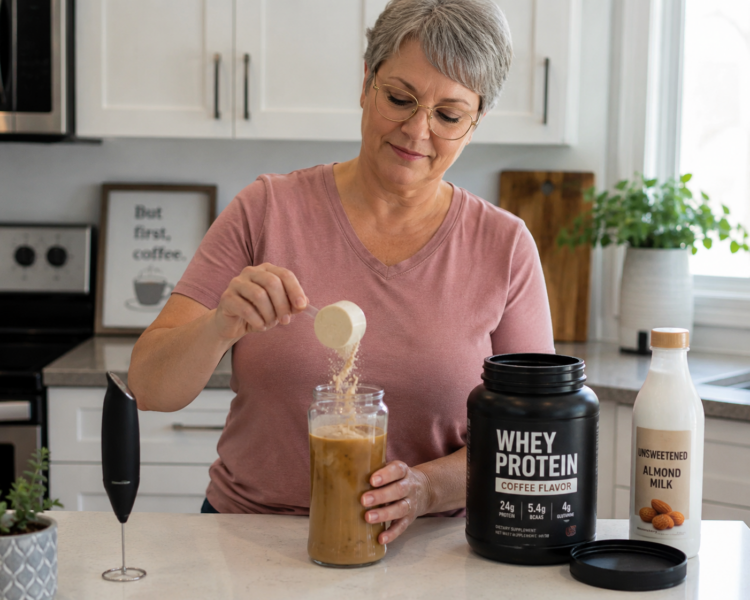
Protein coffee has become popular because it fits into busy lifestyles. For people who enjoy coffee and want an easy way to increase protein intake, it can be a practical addition to their routine.
It may be especially useful for people who struggle to eat breakfast, want more protein throughout the day, or are focusing on maintaining muscle and healthy aging.
However, the quality of the drink depends on what goes into it. A simple protein coffee made with quality ingredients can be a healthy choice, while one filled with sugar and extra calories may not provide the benefits people expect.
Conclusion
Protein coffee is more than just a social media trend, but it is not a miracle health drink either. It can be a convenient way to combine coffee and protein, especially for people with busy mornings.
When prepared with nutritious ingredients and enjoyed as part of a balanced diet, protein coffee can be a simple addition to a healthy lifestyle.
Disclaimer: This article is for informational purposes only and is not intended to replace professional medical advice, diagnosis, or treatment. Always consult your healthcare provider before making changes to your diet, supplements, or nutrition routine, especially if you have medical conditions or take medications.