
Guide to Restoring Confidence After Significant Facial Injuries
6 min read
1090 words
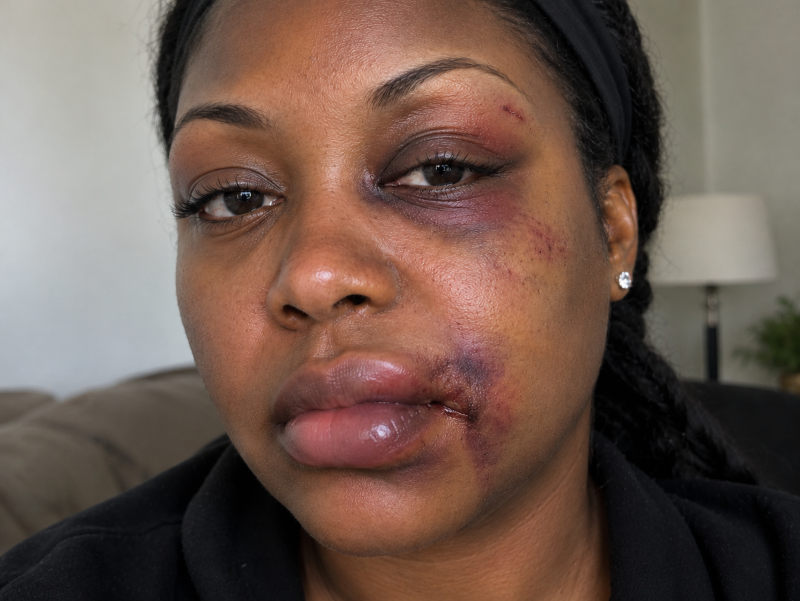
Facing a significant facial injury can feel like losing part of your identity. The physical trauma is only one aspect of recovery; the emotional and psychological impact often runs deeper. Many people who experience facial injuries report a profound loss of confidence that extends far beyond the initial healing period. Understanding how to rebuild self-assurance after this kind of trauma requires a multifaceted approach that addresses both the visible changes and the internal emotional response.
Understanding the Emotional Impact
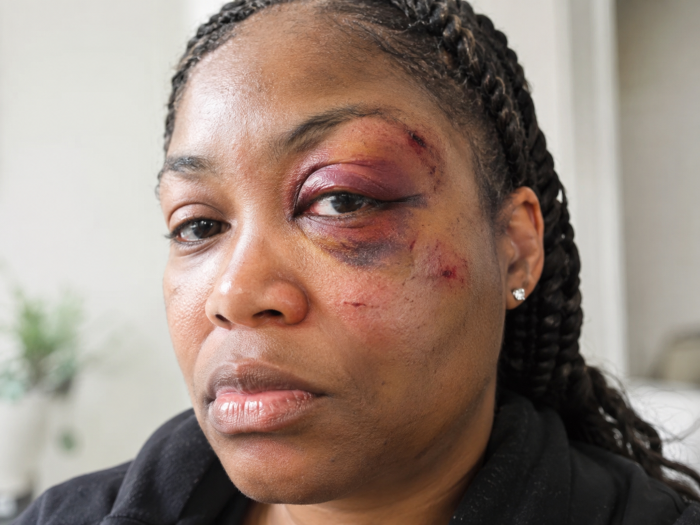
Facial injuries affect far more than appearance. The human face is central to how we communicate, express emotion, and interact with the world. When that aspect of our identity changes, it can shake the foundation of our self-perception. Research in psychology shows that people with visible injuries often experience anxiety, depression, and social withdrawal during recovery. The emotional toll can persist even after physical healing is complete, creating a secondary layer of trauma that requires specific attention and care.
The initial shock of seeing changes in your reflection can be overwhelming. Many individuals describe feeling disconnected from their own image or struggling with intrusive thoughts about how others perceive them. These emotional responses are entirely normal and valid. The key is recognizing that rebuilding confidence is not vanity; it is an essential part of holistic recovery. Acknowledging the emotional weight of your injury is the first step toward addressing it constructively.
Seeking Professional Psychological Support
Working with a mental health professional who has experience with trauma and body image concerns can be transformative. Therapists trained in cognitive behavioral therapy or trauma-focused approaches can help you process the psychological impact of your injury. They provide strategies to challenge negative thought patterns and develop healthier coping mechanisms. This professional support creates a safe space to explore your feelings without judgment or pressure to move on quickly.
Support groups specifically for people with visible differences or injury recovery can also provide invaluable connection. Speaking with others who have navigated similar experiences reminds you that you are not alone in your struggle. Peer support offers practical advice, emotional validation, and hope for the future. These communities often help people recognize that recovery is possible and that their worth extends far beyond physical appearance. Many hospitals and rehabilitation centers can connect you with local or online support resources.
Exploring Reconstructive and Cosmetic Options
Once you are physically stable enough, discussing reconstruction or cosmetic options with your medical team can restore a sense of agency in your recovery. Not everyone chooses surgical intervention, and that choice is equally valid. However, for many people, knowing that options exist provides psychological relief and hope. Plastic surgeons and reconstructive specialists can explain realistic outcomes, potential risks, and timelines so you can make informed decisions aligned with your goals. For injuries that involve the jaw, teeth, or surrounding bone structure, patients restoring function and appearance often work with an oral surgeon in Long Beach to assess damage, plan precise interventions, and coordinate care with the broader medical team.
Distinguishing between seeking treatment for your own wellbeing and pursuing it because of external pressure is a meaningful part of the decision-making process. Working with professionals who listen to your goals, rather than imposing their own vision, ensures that any procedures reflect your authentic desires. The decision to pursue reconstruction should come from a place of self-care, not self-punishment or a desperate attempt to return to your pre-injury appearance. Many people find that realistic expectations about outcomes help them approach these options with clarity rather than false hope.
Rebuilding Your Social Life Gradually
Social isolation often follows facial injuries, but reconnecting with your community is a crucial component of regaining confidence. Starting small is perfectly acceptable; this might mean reconnecting with one trusted friend before expanding your social circle. Explaining your situation to people you trust generally yields compassion and support. Having allies who know your story and see you as a whole person reduces anxiety when you eventually reenter wider social spaces.
Over time, gradual exposure to social situations helps normalize your appearance in your own mind and in the minds of others. People are generally far less focused on visible injuries than the injured person fears. As you spend time around others and observe that relationships continue unchanged, anxiety typically decreases. Returning to activities you enjoyed before your injury sends a powerful message to yourself that your life is still worth living fully. Community involvement, hobbies, and social engagement are not luxuries in recovery; they are essential components of psychological healing.
Developing Self-Compassion and Perspective
Recovery from facial injury demands a fundamental shift in how you speak to yourself. Many people become their harshest critic, replaying the injury and its consequences in endless loops of self-blame. Practicing self-compassion means treating yourself with the same kindness you would offer to a friend in similar circumstances. This is not about ignoring the difficulty of your situation; it is about refusing to compound physical trauma with emotional cruelty.
Reframing your identity beyond appearance takes intentional effort but yields profound results. Your humor, kindness, intelligence, creativity, and character remain unchanged by injury. These qualities are what create meaningful relationships and fulfilling lives. Many people report that surviving facial injury paradoxically deepens their appreciation for life and shifts their values toward what truly matters. This perspective shift does not happen overnight, but over time, many find that their sense of self becomes more resilient and less dependent on physical appearance.
Conclusion
Restoring confidence after significant facial injuries is a multifaceted journey that encompasses physical recovery, emotional processing, and intentional rebuilding of your sense of self. The path forward involves seeking professional psychological support, exploring medical options that align with your authentic goals, gradually reengaging with your social life, and developing genuine self-compassion. Your injury does not define you, though it may become part of your story. By addressing both the visible changes and the internal emotional response, you create space for genuine recovery and a renewed sense of confidence grounded in your true value as a person. This process takes time, patience, and often professional guidance, but countless individuals have walked this path successfully and emerged with stronger, more resilient versions of themselves.
Medical Disclaimer: This article is for informational and educational purposes only and should not be considered medical or mental health advice. Every facial injury and recovery journey is different. Consult a qualified healthcare professional for advice about your specific condition, treatment options, and recovery. If you are experiencing emotional distress following an injury, consider seeking support from a qualified mental health professional.