Acupuncture for Pain Relief: Benefits and Risks
8 min read
1547 words
Have you ever felt stuck in a cycle of pain, searching for a way to find relief? You are not alone. Millions of people live with chronic aches, headaches, joint pain, and muscle tension that affect their daily lives. While medications and physical therapy can help, many people also explore complementary therapies such as acupuncture.
With a history spanning thousands of years, acupuncture has become one of the most widely used complementary therapies for pain management. But does it actually work? What happens during a treatment? And is it right for you?
This guide explains how acupuncture works, the conditions it may help treat, its potential benefits and risks, what to expect during your first appointment, and how to choose a qualified practitioner.
Medical Disclaimer: This article is for informational purposes only and should not replace professional medical advice, diagnosis, or treatment. Always consult your healthcare provider before beginning acupuncture or any new treatment, especially if you have an underlying medical condition or take prescription medications.
What Is Acupuncture?

Acupuncture is one of the oldest healing practices in the world and is a central part of Traditional Chinese Medicine (TCM). According to TCM, the body’s vital energy, known as Qi (pronounced “chee”), flows through channels called meridians. Pain and illness are believed to occur when this flow becomes blocked or unbalanced.
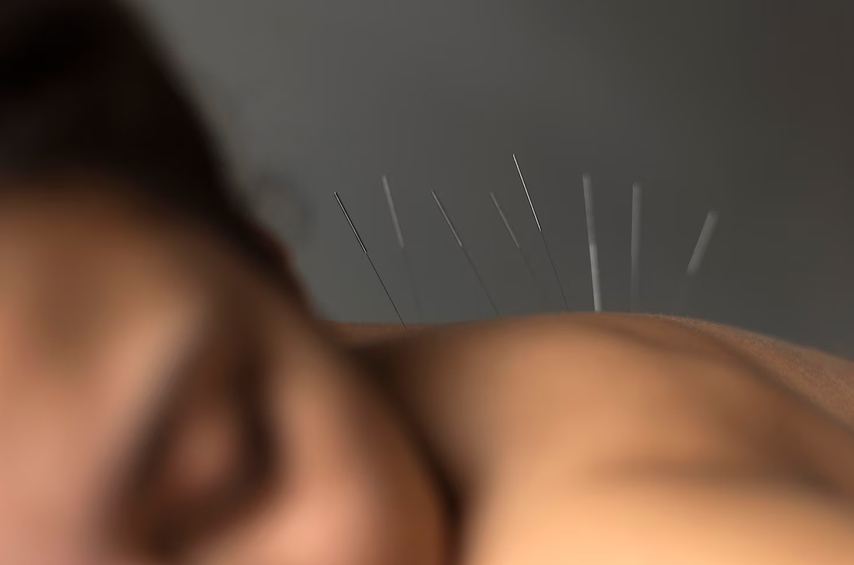
During an acupuncture treatment, a licensed practitioner inserts extremely thin, sterile, single use needles into specific points on the body to restore balance and encourage healing.
Modern medicine approaches acupuncture differently. Researchers believe acupuncture may stimulate nerves, improve blood circulation, influence pain signaling pathways, and encourage the release of endorphins, the body’s natural pain relieving chemicals.
Although scientists continue to study exactly how acupuncture works, evidence suggests it may help some people manage certain types of chronic pain.
Does Acupuncture Really Work for Pain?
Research suggests acupuncture may help some people manage chronic pain, particularly conditions such as chronic low back pain, neck pain, knee osteoarthritis, and some types of headaches. Results vary from person to person, and acupuncture is generally considered a complementary therapy rather than a cure.
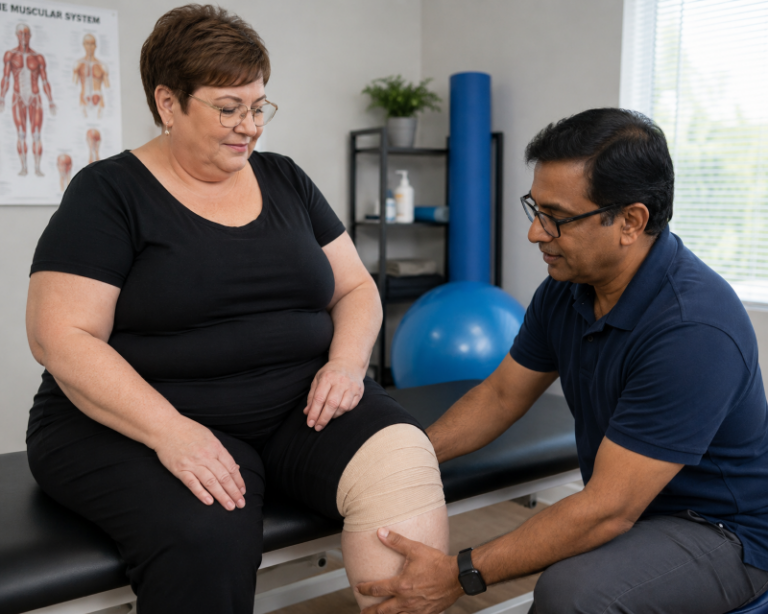
Many healthcare professionals recommend combining acupuncture with exercise, physical therapy, healthy lifestyle habits, and conventional medical treatments when appropriate.
How Does Acupuncture Work?
Traditional Chinese Medicine Perspective
According to Traditional Chinese Medicine, pain develops when Qi cannot flow freely throughout the body. Acupuncture stimulates specific points along the meridians to restore balance and improve the flow of energy.
Modern Medical Perspective
Modern research suggests acupuncture may help by:
- Stimulating nerves that influence pain signals
- Encouraging the release of endorphins and other natural pain relieving chemicals
- Increasing blood flow to injured tissues
- Helping relax tight muscles
- Supporting the body’s natural inflammatory response
- Influencing the nervous system to reduce pain perception
Researchers continue to study these mechanisms, but growing evidence supports acupuncture as a complementary treatment for several pain conditions.
Conditions Acupuncture May Help Treat
While acupuncture is not appropriate for every condition, studies suggest it may help some individuals manage pain associated with:
- Chronic lower back pain
- Neck pain and muscle stiffness
- Osteoarthritis, especially of the knees and hips
- Migraines
- Tension headaches
- Sciatica
- Fibromyalgia
- Shoulder pain
- Tennis elbow
- Temporomandibular joint (TMJ) disorders
- Some types of postoperative pain
Potential Benefits of Acupuncture
Many people choose acupuncture because it offers a drug free approach to pain management. Potential benefits may include:
- Reduced pain and discomfort
- Less muscle tension
- Improved circulation
- Better flexibility and mobility
- Reduced stress
- Improved sleep quality
- Greater relaxation
- Enhanced overall well being
For many individuals, acupuncture works best alongside other healthy habits and treatments rather than replacing them.
What Happens During an Acupuncture Appointment?
Initial Consultation
Your first appointment usually lasts between 60 and 90 minutes. The practitioner will discuss:
- Your medical history
- Current symptoms
- Previous injuries
- Medications and supplements
- Lifestyle habits
- Treatment goals
Some practitioners trained in Traditional Chinese Medicine may also examine your tongue and check your pulse.
Treatment Session
You will lie comfortably on a treatment table while the practitioner inserts very fine needles into carefully selected acupuncture points.
The needles typically remain in place for 20 to 45 minutes while you relax. Many people find the experience surprisingly calming.
After Treatment
After the needles are removed, most people can resume their normal daily activities.
Some individuals notice:
- Immediate relaxation
- Mild soreness
- Temporary fatigue
- Gradual improvement after several treatments
Does Acupuncture Hurt?
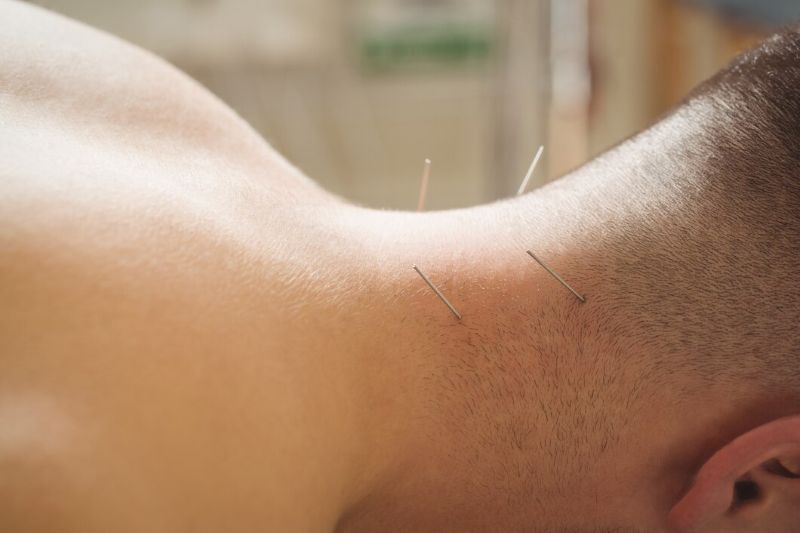
One of the biggest concerns people have is whether acupuncture hurts.
Fortunately, acupuncture needles are extremely thin and solid, unlike the hollow needles used for injections. Most people experience little or no pain during treatment.
You may notice:
- Mild tingling
- Warmth
- Pressure
- A dull ache
- A feeling of heaviness around the needle
These sensations are generally considered normal and usually disappear quickly.
How to Prepare for Your First Acupuncture Appointment
Preparing ahead of time can help you have a more comfortable experience.
Before your appointment:
- Eat a light meal.
- Stay hydrated.
- Wear loose, comfortable clothing.
- Bring a list of medications and supplements.
- Tell your practitioner if you are pregnant or have any medical conditions.
- Avoid strenuous exercise immediately before treatment.
After your appointment:
- Drink plenty of water.
- Take it easy if you feel tired.
- Pay attention to how your body responds during the next 24 hours.
Risks and Side Effects
When performed by a licensed professional using sterile, single use needles, acupuncture is generally considered very safe.
Possible side effects include:
- Minor bruising
- Mild bleeding
- Temporary soreness
- Mild dizziness
- Temporary fatigue
Serious complications are extremely rare but may occur if acupuncture is performed improperly.
Who Should Speak With Their Doctor First?
Acupuncture may not be suitable for everyone. Talk with your healthcare provider before treatment if you:
- Are pregnant.
- Have a bleeding disorder.
- Take blood thinning medication.
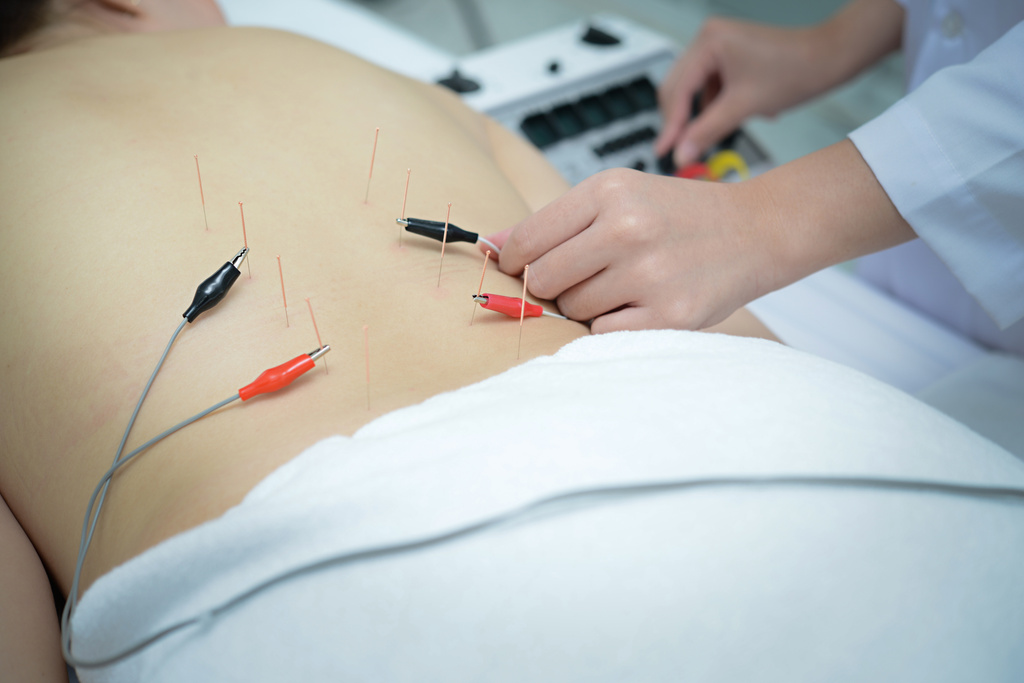
- Have a pacemaker and are considering electroacupuncture.
- Have an active skin infection.
- Have unexplained pain that has not been medically evaluated.
- Have severe needle anxiety.
- Have a serious underlying medical condition.
How Many Treatments Will You Need?
Treatment plans vary depending on:
- Your condition
- How long you have had symptoms
- Symptom severity
- Your response to treatment
Acute injuries may improve after only a few visits, while chronic pain often requires weekly treatments over several weeks before noticeable improvement occurs.
How Much Does Acupuncture Cost?
The cost of acupuncture varies depending on where you live and the practitioner’s experience.
In Canada, treatments commonly range from $70 to $150 per session, while an initial consultation may cost more because it includes a detailed health assessment.
Some extended health insurance plans include acupuncture coverage. Check with your provider to see whether treatments are eligible.
How to Choose a Qualified Acupuncturist
Selecting a qualified practitioner is important for both safety and treatment quality.
Look for someone who:
- Is licensed or registered where required.
- Has experience treating your condition.
- Uses sterile, disposable needles.
- Explains treatments clearly.
- Has positive patient reviews.
In Canada, acupuncture regulation varies by province, so verify local licensing requirements before booking an appointment.
Acupuncture vs. Dry Needling
| Acupuncture | Dry Needling |
|---|---|
| Based on Traditional Chinese Medicine | Based on modern anatomy |
| Uses specific acupuncture points | Targets muscle trigger points |
| Treats a variety of health conditions | Primarily used for musculoskeletal pain |
Can Acupuncture Be Combined With Other Treatments?
Absolutely. In fact, acupuncture is often works best as part of a comprehensive pain management plan. It can complement physical therapy, massage therapy, chiropractic care, exercise, healthy lifestyle changes, and appropriate medical treatment. If you’re interested in learning more about the conditions acupuncture may help manage, read our guide to five health conditions acupuncture may help ease.
- Physical therapy
- Massage therapy
- Chiropractic care
- Regular exercise
- Prescription medication (under medical supervision)
- Healthy lifestyle changes, including improved nutrition and stress management
Frequently Asked Questions
Is acupuncture scientifically proven?
Research continues to grow. Evidence suggests acupuncture may help some people manage certain chronic pain conditions, although results vary.
How long does an acupuncture session last?
Most treatments last between 30 and 60 minutes, while the first appointment is usually longer because it includes an assessment.
Does acupuncture work immediately?
Some people notice improvement after one treatment, while others require several sessions before experiencing significant relief.
Can acupuncture help arthritis?
Research suggests acupuncture may help manage pain and stiffness associated with osteoarthritis, particularly in the knees.
Is acupuncture covered by insurance?
Many private health insurance plans offer acupuncture coverage. Coverage varies, so check your individual policy.
Can acupuncture reduce the need for pain medication?
Some people find acupuncture helps reduce their reliance on pain medication, but any medication changes should only be made under medical supervision.
Is acupuncture safe for older adults?
Yes. Acupuncture is generally considered safe for older adults when performed by a qualified practitioner.
Conclusion
Acupuncture has been used for thousands of years and continues to be studied as a complementary option for pain management. While it is not a cure for chronic pain, many people find it helps reduce discomfort, improve mobility, promote relaxation, and enhance overall well being.
The best results often come from combining acupuncture with regular exercise, healthy lifestyle habits, and appropriate medical care. If you are considering acupuncture, speak with your healthcare provider and choose a licensed practitioner who can create a treatment plan tailored to your individual needs.
By understanding what acupuncture can and cannot do, you can make an informed decision about whether it may be a helpful part of your overall pain management strategy.